



Sold as:

from £6.99



Sold as:
from £19.99
 5 Star Service Rating




 Secure, One-Tap Checkout
 5 Star Feefo Rating
 Hand Picked, Delivered to Your Door!
 1 Year Bareroot Guarantee
 Platinum Trusted Service Award 2026
 Mail Order Plant Experts - Est. 1949

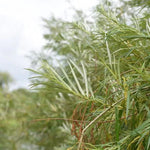





Common Osier Willow, Salix viminalis, is a large, fast-growing waterside shrub, with dense, flexible stems and an upright growth habit. It's very vigorous, growing up to 1.5 metres per year. It has long, slender leaves that open following the appearance of catkins in spring, which are green on females and yellow on males. In the wild, it rarely reaches more than 4-6m tall, but with pruning it can grow close to 10m.
If you want a supply of willow withies to weave, or if you need a screen in a hurry, it's a great choice.
See our selection of willow plants or view our range of hedging and sapling plants.
Delivery season: Bareroot plants are delivered during late autumn and winter, approximately November-April inclusive.
Willows love wet soil and plenty of sun. They won't grow in salt water, but otherwise are happy in exposed coastal locations with salty winds. They'll tolerate sites with industrial pollution, but not chalk.
Spacing a row of Salix viminalis: Plant at 2 per metre, 50cm apart in a single row.
It's excellent for growing as a low maintenance tall screen or windbreak; it's extremely vigorous and its shoots don't have enough side branches to make a "proper" formal hedge. For extra interest and wildlife value, interplant with other willow varieties
Its matted, fibrous roots, are ideal to reduce soil erosion on banks beside water.
Note: Willow roots will clog pipes and drains if they get into them like nothing else (Poplar and Alder are close contenders), so don't plant them closer than 10-15 metres to buildings.


 Sign In
 Saved items