Sold as:

from £6.99



Sold as:
from £19.99
 5 Star Service Rating




 Secure, One-Tap Checkout
 5 Star Feefo Rating
 Hand Picked, Delivered to Your Door!
 1 Year Bareroot Guarantee
 Platinum Trusted Service Award 2026
 Mail Order Plant Experts - Est. 1949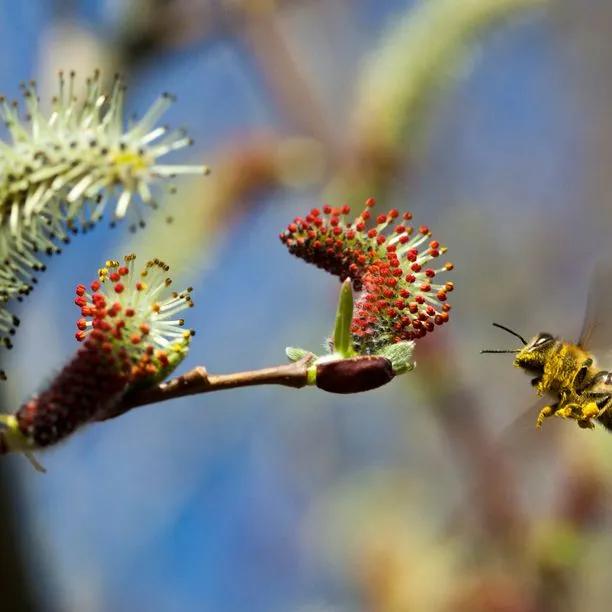





Purple Willow, Salix purpurea, also called Purple Osier, is more of a large, bushy shrub than a small tree. Salix purpurea has magnificent, striking purple young shoots, which provide ornamental value in winter both on the plant and when cut and brought indoors. The catkins are less showy than on some other willows as they appear around the same time as the leaves open so they tend to be somewhat hidden. But the bark is a glory. To produce the best colour, the plant shoudl be coppiced on atwo yearly cycle with half being cut to the ground each spring. This way you will always have heightto the plant and a good amount of young growth.
See our selection of willow hedging plants or view our full range of hedging.
Salix purpurea plants are only delivered bareroot, during winter (Nov-April). All our plants are measured by their height in centimetres above the ground (the roots aren't measured).
Being a small, very vigorous willow, this is one of the favoured types for supplying withies - stems of various sizes for making wicker objects. Osier is an old name for both the withy and the plant. Willows have shallow, wide ranging roots and are great for preserving river banks and other loose soil.
All willows are excellent for bees, butterflies and moths.




 Sign In
 Saved items