

Sold as:

from £6.99

Sold as:
from £19.99
 5 Star Service Rating




 Secure, One-Tap Checkout
 5 Star Feefo Rating
 Hand Picked, Delivered to Your Door!
 1 Year Bareroot Guarantee
 Platinum Trusted Service Award 2026
 Mail Order Plant Experts - Est. 1949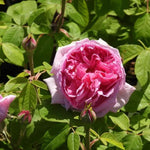
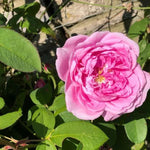

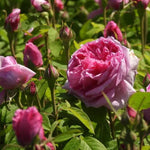

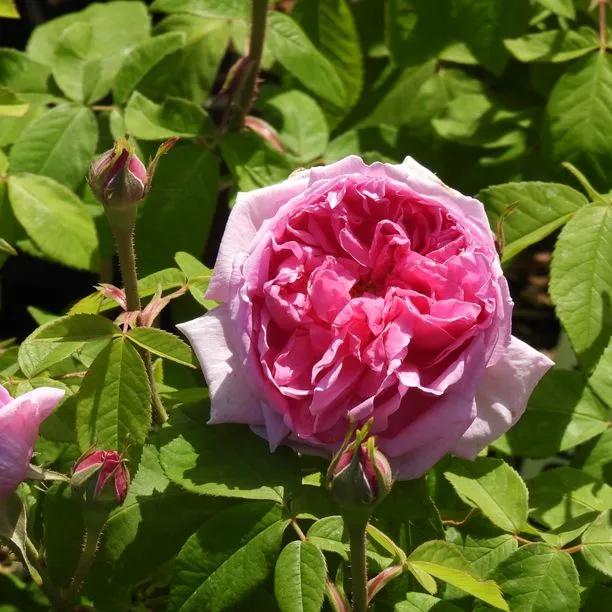
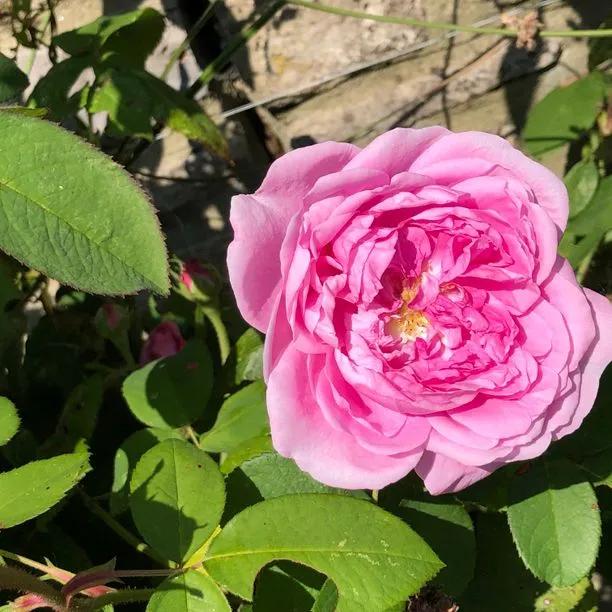
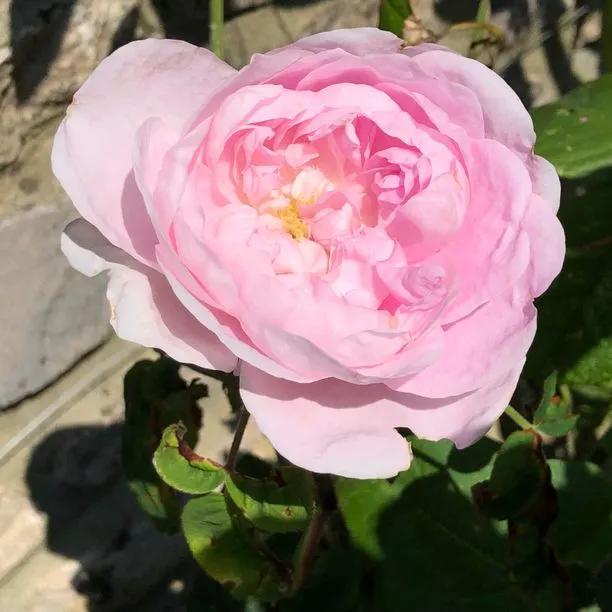
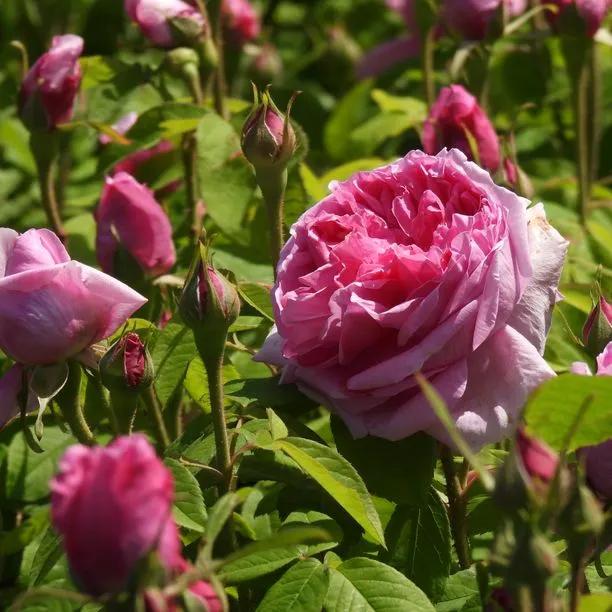
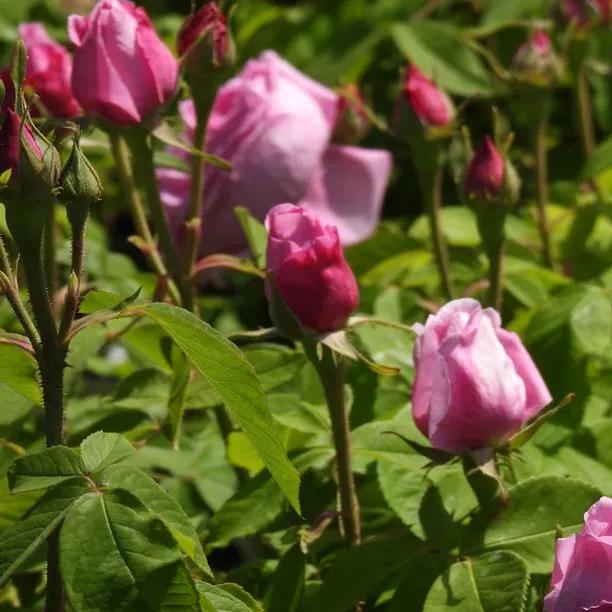





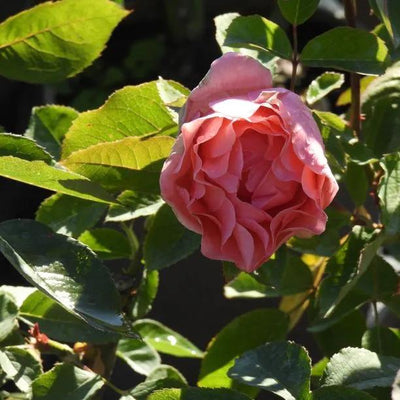
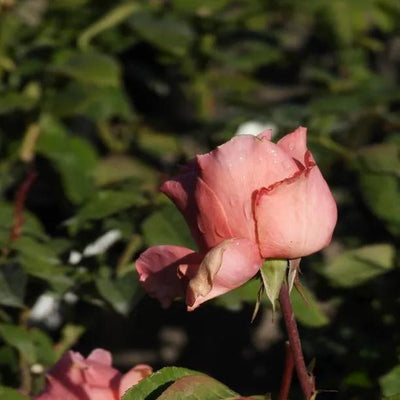
Comte de Chambord is a Portland shrub rose bred in France in 1860, producing rich warm pink, fully double quartered blooms with strong, sweet old rose fragrance from June to October. It's one of the finest repeat-flowering old roses, with exceptional scent and a compact, upright habit that makes it perfect for any garden.
This is a rose that rewards you twice over: once for its stunning blooms, and again for its intoxicating scent. Bred by Moreau-Robert in France and named after the Bourbon pretender to the French throne, Comte de Chambord arrived in gardens in 1860 and has remained a favourite ever since. The flowers are fully double in the classic quartered old rose style, with gently rolled petals that create real depth and character. The colour is a rich, warm pink that looks at home in period gardens but works equally well in modern schemes.
What sets this Portland rose apart from many of its old rose cousins is its ability to flower repeatedly through the growing season. From June right through to October, you'll have blooms opening on a compact, upright plant that reaches about 120cm tall. That compact habit is genuinely useful: this isn't a sprawling giant that will swamp a small garden. The foliage is healthy and attractive, with good natural resistance to blackspot, so you won't be fighting disease battles all summer.
Plant Comte de Chambord somewhere you can enjoy the fragrance regularly. A position near a seating area, or beside a path you use daily, will reward you far more than tucking it away at the back of a border. It performs well in full sun to partial shade, making it forgiving in less-than-ideal light, though it will flower most freely and develop the deepest colour in good sunlight.
Portland roses occupy a special place in rose history. They're older than Hybrid Teas or Floribundas, yet they repeat-flower when many other old roses flower only once. Comte de Chambord is, without question, one of the very best Portland roses for giving you flowers throughout the season. That combination of old rose charm, strong fragrance, and genuine repeat-flowering reliability is why it remains sought-after by serious gardeners and rose enthusiasts more than 160 years after it was raised.
The fully double quartered blooms are perfect for cutting and will hold their shape and scent in the vase for several days. If you grow roses for the house as well as the garden, this variety will deliver. The rolled petal edges give the flowers a soft, romantic quality that photographs beautifully and sits perfectly in cottage garden schemes or mixed herbaceous borders.
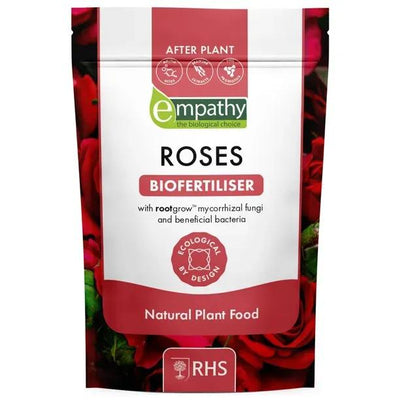
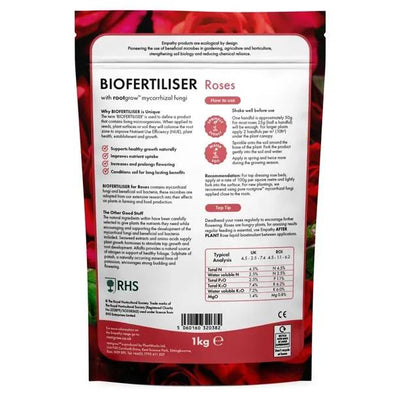
This is a straightforward rose to grow. Plant in late autumn or early spring in soil enriched with organic matter. It prefers full sun but will tolerate partial shade. Water well in the first season to establish a strong root system, then water during dry spells. Prune lightly in early spring, removing dead or weak wood and shaping the plant to maintain its compact form. Feed in spring with a balanced rose fertiliser and deadhead regularly to encourage more flowers. With minimal fuss, you'll have a healthy, flowering shrub that improves year after year.
Comte de Chambord's warm pink blooms and rich fragrance work beautifully with purple alliums, silvery lavender, and soft herbaceous perennials. Try planting it alongside lavender for complementary scent, or combine with clematis for extended seasonal colour. Alliums add architectural interest, while herbaceous perennials like catmint and salvia create a soft, cottage garden feel. Explore our full range of shrub roses to build a fragrant garden.
Our Comte de Chambord is budded onto vigorous rootstock and grown for us by specialist rose producers. As award-winning suppliers, we're committed to delivering healthy, established plants. Order with confidence. Browse our complete rose collection today.
Plant bare root roses from November to March while dormant. Potted plants can go in any time the soil is workable, but autumn and spring are ideal. Water in thoroughly after planting.
The fragrance is exceptionally strong: a rich, sweet old rose scent that fills the air around the plant. This is one of the most heavily scented roses available, perfect if fragrance is a priority.
Yes. As a Portland rose, it repeat-flowers from June through to October, with generous flushes throughout. Regular deadheading encourages more blooms and extends the flowering season.
It reaches approximately 120cm (4ft) tall with a compact, upright habit. It's not a sprawling rose, making it ideal for smaller gardens, borders, and mixed planting schemes.
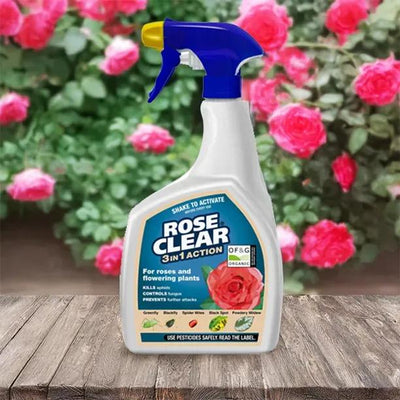
Yes. It has good natural resistance to blackspot, one of the commonest rose diseases. Ensure good air circulation and avoid overhead watering to maintain healthy foliage throughout the season.


 Sign In
 Saved items