

Sold as:

from £6.99

Sold as:
from £19.99
 5 Star Service Rating




 Secure, One-Tap Checkout
 5 Star Feefo Rating
 Hand Picked, Delivered to Your Door!
 1 Year Bareroot Guarantee
 Platinum Trusted Service Award 2026
 Mail Order Plant Experts - Est. 1949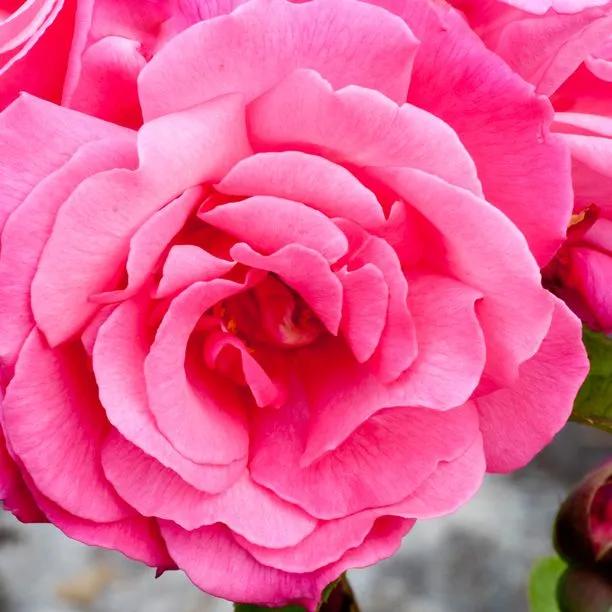





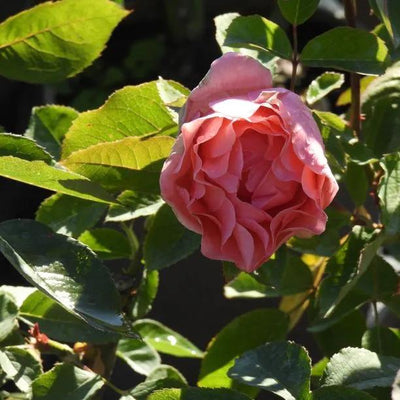
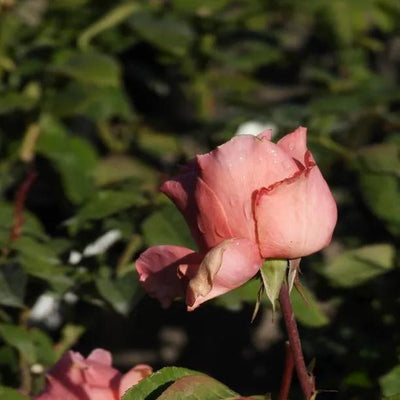
Prima Ballerina is a deep cherry-pink hybrid tea rose with large, high-centred double blooms and strong sweet fragrance. Bred by Tantau in Germany in 1957, this mid-century classic has proven itself one of the most reliable old-school hybrid teas for the British garden, flowering generously from June through to the first frost.
Prima Ballerina remains a masterclass in what a hybrid tea should be. Bred in post-war Germany by the legendary rose breeder Mathias Tantau, this variety was named after the ballet term and embodies that same poise and grace. The flowers are large, perfectly formed with that classic high-centred shape that defines the hybrid tea class, and held on long, sturdy stems ideal for cutting. The deep cherry-pink colouring is vivid and remarkably long-lasting, even in full sun, and never fades to purple or blue as some reds can.
What sets Prima Ballerina apart from many modern roses is its genuinely strong fragrance. This is not a whisper of perfume but a proper, sweet, classic rose scent that fills the air around the plant. For anyone who gardens primarily for fragrance, or who remembers the smell of their grandmother's roses, Prima Ballerina will feel like coming home. It flowers repeatedly from June through October, so you will have scent and colour for five months or more of the year.
The plant itself is compact and manageable at 90cm (3ft) in height, making it ideal for smaller gardens or mixed borders where you want a focal point without a giant sprawl. It demands full sun and a sheltered position to perform at its best, and will reward good soil preparation and consistent watering with an abundance of pristine blooms.
This is an old-school hybrid tea, which means it expects and deserves proper care. Plant in full sun (at least six hours daily), in well-draining soil enriched with organic matter. Mulch generously in spring with garden compost or bark to retain moisture and suppress weeds. Water regularly during dry spells, especially in the growing and flowering season, but avoid wetting the foliage as hybrid teas can be prone to fungal issues in humid conditions. Deadhead spent flowers consistently to encourage more blooms throughout the season.
Pruning is straightforward: in late winter (February or early March), cut all stems back to outward-facing buds about 30cm from the ground, removing any dead, diseased or crossing wood first. In summer, you may give the plant a light trim to keep it neat, but hard pruning is a winter job. Prima Ballerina is vigorous enough to handle firm pruning and will respond with a bushy, floriferous plant. Feed in spring with a slow-release rose fertiliser, and again in mid-summer to sustain flowering through to autumn.
If you admire the hybrid teas of the mid-twentieth century and want a rose that looks and smells the way roses are supposed to, Prima Ballerina will not disappoint. It is dependable, floriferous, and filled with the kind of fragrance that modern breeding has sometimes sacrificed in pursuit of disease resistance. For cut flowers, formal beds, or simply as a focal point in a traditional rose garden, this is a variety that earns its space year after year.
Prima Ballerina's deep pink blooms pair beautifully with cool tones and silver foliage. Plant it alongside lavender for a classic colour contrast and extended flowering season. Clematis varieties such as 'Jackmanii' can be grown through the rose to add vertical interest and prolong the display. For underplanting, choose allium bulbs in purple or white, which will flower before the rose reaches full bloom. Herbaceous perennials such as catmint or delphiniums complement the formal structure of the hybrid tea form. Alternatively, group three or more Prima Ballerina plants together in a formal bed for maximum impact.
Our roses are budded onto vigorous rootstock and grown for us by specialist growers. As winners of the Which? Gardening Best Plant Supplier award and the Feefo Platinum Trusted Service Award, we stand behind every plant we send. Browse our full hybrid tea rose collection here.
Bare-root plants are best planted between November and March, during the dormant season. Potted plants can be planted year-round, though spring and autumn give the best establishment. See our rose growing guide for full details.
Full sun is essential: aim for at least six hours of direct sunlight daily. This ensures abundant flowering and the best fragrance development. A sheltered position away from strong wind will protect the elegant blooms.
Hard prune in late winter (February or March), cutting stems back to 30cm and removing dead wood. In summer, deadhead spent flowers to encourage repeat blooms. For detailed guidance, see our pruning guide.
Yes. Long stems, perfect form, and strong fragrance make it an excellent cut flower. Cut blooms in the early morning when stems are turgid, and they will last well in the vase with regular water changes.
Yes, though it prefers open ground. Use a large pot (at least 60cm diameter) with free-draining compost, water regularly, and feed fortnightly in the growing season to maintain performance and flowering.


 Sign In
 Saved items