Sold as:

from £10.95

Sold as:
from £19.99
 5 Star Service Rating




 Secure, One-Tap Checkout
 5 Star Feefo Rating
 Hand Picked, Delivered to Your Door!
 1 Year Bareroot Guarantee
 Platinum Trusted Service Award 2026
 Mail Order Plant Experts - Est. 1949
 1 Year Bulb Guarantee

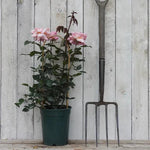






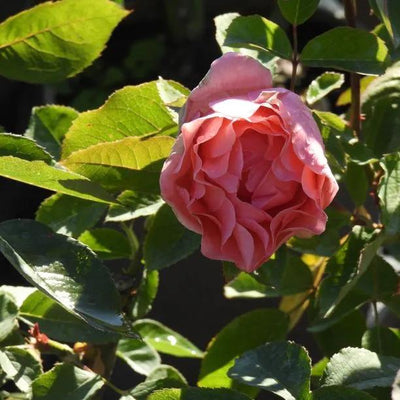
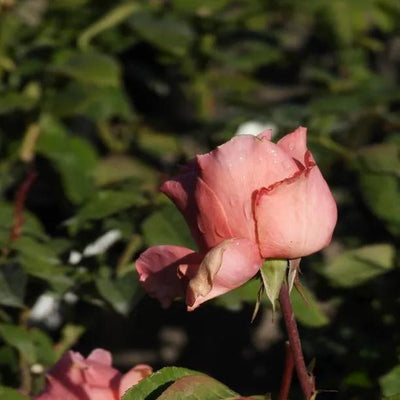
Compassion has been the UK's best-selling climbing rose for more than fifty years, and it earns the position honestly: strong scent, repeat flowering all summer, and a reliability in British weather that few climbers match.
Bred by Harkness in 1973 from White Cockade crossed with Prima Ballerina — both already in the Harkness range — Compassion was an in-house success from the start. Jack Harkness, the rosarian who bred it, described it as the rose he was most proud of in a lifetime of breeding. The name was chosen by his daughter. It holds the Royal National Rose Society Gold Medal, and awards in eight other countries.
Harkness is a British breeding house with a long record of roses bred specifically for UK growing conditions — rain-resistant flowers and strong stems rather than a rose that only performs in a warmer, drier climate. Compassion is their best-known introduction, and still one of the most reliable performers in the range.
Compassion's warm apricot pink works well against blue and purple flowering companions at its base — Hidcote lavender for scent and colour contrast, or a group-3 clematis trained through the lower growth. If you'd like a white-flowered climber to pair alongside it, Climbing Iceberg shares the same reliable habit. Browse our full climbing rose range or our scented roses.
Every Ashridge rose is grown for us by specialist rose growers and dispatched bareroot in season, or potted for planting at any time of year. We've supplied UK gardens since 1949, hold Which? Gardening's Best Plant Supplier award and a Feefo Platinum Trusted Service Award, and grow peat-free with no neonicotinoids. All our roses are guaranteed.
Late February to early March for established plants — remove a few of the oldest stems at the base and tie in the new growth from last year. Our pruning guide covers climbers step by step.
Strongly scented — one of the most reliably fragrant climbing roses available, which is part of why it has stayed a best-seller for over fifty years.
Better than most climbing roses. It tolerates some shade, though a sunnier aspect will always flower more freely.
Yes — it flowers from June through to autumn rather than in a single summer flush, unlike many older climbing roses.
Colour, mainly: Compassion is a warm apricot pink, Climbing Iceberg pure white. Both are reliable, repeat-flowering climbers that suit the same growing conditions.





 Sign In
 Saved items