Sold as:

from £10.95

Sold as:
from £19.99
 5 Star Service Rating




 Secure, One-Tap Checkout
 5 Star Feefo Rating
 Hand Picked, Delivered to Your Door!
 1 Year Bareroot Guarantee
 Platinum Trusted Service Award 2026
 Mail Order Plant Experts - Est. 1949
 1 Year Bulb Guarantee



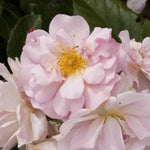

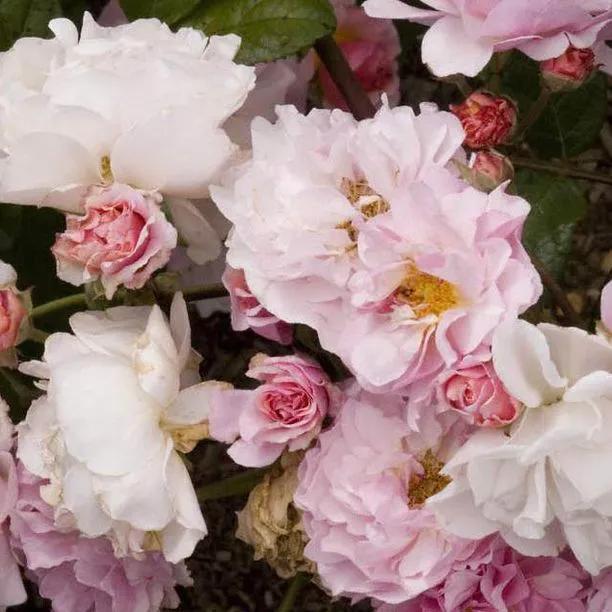
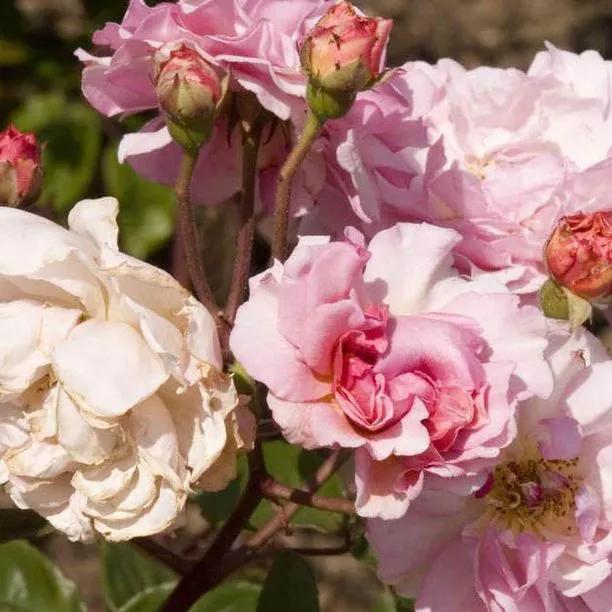
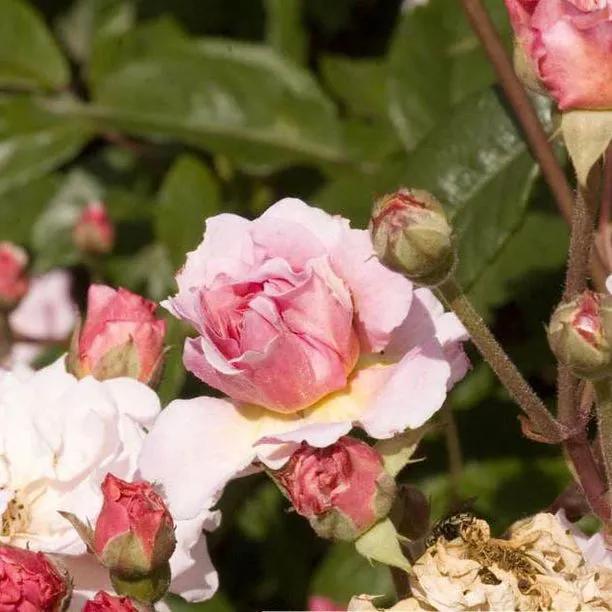
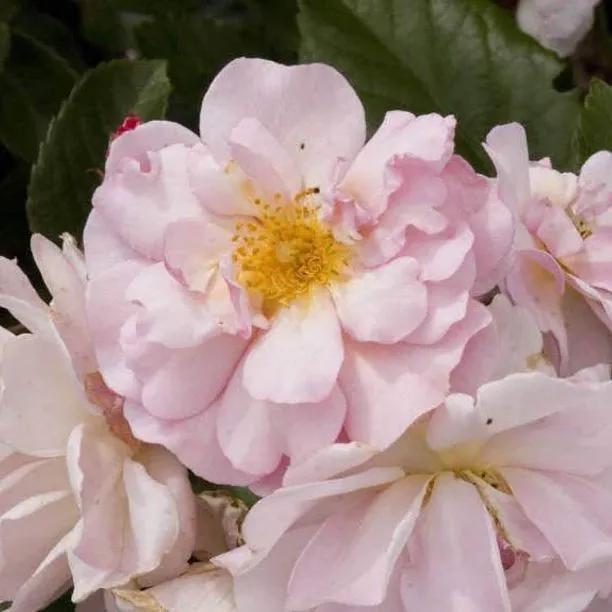





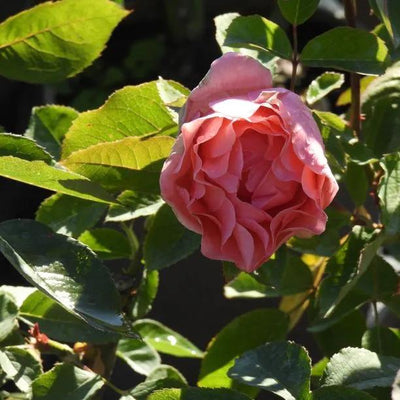
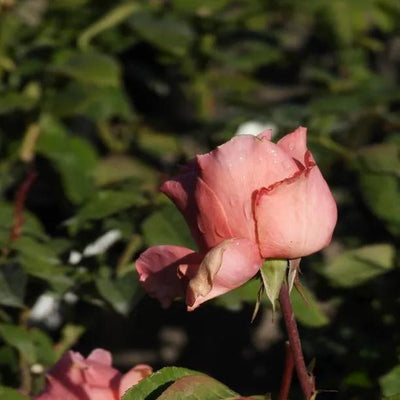
Cornelia is a Hybrid Musk Shrub Rose with warm apricot-pink, rosette double blooms produced in large sprays of 20-30 flowers from June through October. Its exceptional disease resistance, strong musky fragrance, and arching habit make it one of the finest shrub roses for the modern garden.
Bred by Joseph Pemberton in 1925, Cornelia remains one of the finest shrub roses in cultivation. The individually small flowers are never the point here, they are simply the vehicle for abundance. Clustered 20-30 to a spray, these warm apricot-pink blooms open in succession, creating a soft, romantic display that lasts from June right through to the first hard frosts. The fragrance is distinctly musky and fruity, with a depth that lingers in the air on warm afternoons.
What sets Cornelia apart is her exceptional disease resistance. While many modern roses struggle with blackspot and powdery mildew, Cornelia shrugs them off. Good rust resistance too. This is not a rose that will need constant vigilance or chemical intervention. Plant it, feed it lightly, and it will reward you with health and vigour year after year. That alone makes it worth growing.
Her arching, spreading habit and generous 180cm (6ft) height suit informal hedging beautifully. Left unpruned, she builds into a broad, fountain-like specimen that anchors a border without looking rigid or formal. The repeat flowering is reliable, with a particularly good flush of blooms in autumn when many other roses are flagging.
Plant Cornelia in full sun, ideally with at least six hours of direct light daily. She is not fussy about soil, but will perform best in fertile, well-draining ground enriched with organic matter at planting time. Once established, a light feed in spring and a balanced rose fertiliser in early summer will sustain her. The arching canes are best left largely unpruned in winter, then tidied in spring with the removal of dead or crossing wood. If you need to reduce her size, cut back after flowering in early autumn.
Her robust constitution makes her an excellent choice for gardeners who prefer minimal intervention. The disease resistance means you can enjoy her beauty without fear of leaf drop or fungal problems. In a mixed border, she works particularly well with herbaceous perennials and soft-coloured companions that echo her apricot tones.
Nearly a century after her introduction, Cornelia holds the Royal Horticultural Society Award of Garden Merit, recognition of her consistent performance in British gardens. She was bred in an era when garden roses were expected to earn their place through health and longevity, not just novelty. That heritage shows in every aspect of her character. This is a rose you can plant with confidence, knowing it will thrive for decades and require less fussing than many modern varieties.
Cornelia's warm apricot-pink tones and generous habit suit lavender particularly well, as does herbaceous perennials such as hardy geraniums and catmint. For structure and contrast, plant alongside yew or other evergreen shrubs. Clematis trained through the canes will extend the season of interest, while allium bulbs scattered nearby provide vertical accent and complement her softer forms.
Our Cornelia roses are budded onto vigorous rootstock by specialist growers and supplied in peak condition. As winners of the Which? Gardening Best Plant Supplier award, we guarantee healthy, well-established plants. Browse our full shrub rose collection for more disease-resistant varieties.
Cornelia reaches approximately 180cm (6ft) tall and spreads wider, developing an arching, fountain-like habit. She can be pruned to size if space is limited, though her natural form is most attractive.
Yes, her arching canes and dense flowering make her ideal for informal hedges. Space plants 1.2m apart and prune lightly after flowering to encourage a natural, flowing outline rather than a rigid shape.
She flowers continuously from June through to October, with a particularly strong flush in autumn. Individual flowers last well and new blooms open successively on each spray.
Cornelia has exceptional resistance to blackspot and powdery mildew, and good rust resistance. She rarely requires fungicide treatment and performs well even in damp British summers. See our rose growing guide for more information.
The fragrance is distinctly musky and fruity, with considerable depth and carry. It is particularly noticeable on warm afternoons and evenings when the flowers are fully open.




 Sign In
 Saved items