

Sold as:

from £10.95
Sold as:
from £19.99
 5 Star Service Rating




 Secure, One-Tap Checkout
 5 Star Feefo Rating
 Hand Picked, Delivered to Your Door!
 1 Year Bareroot Guarantee
 Platinum Trusted Service Award 2026
 Mail Order Plant Experts - Est. 1949
 1 Year Bulb Guarantee
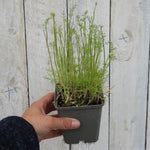
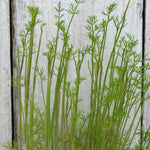
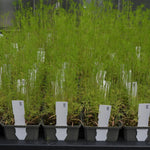


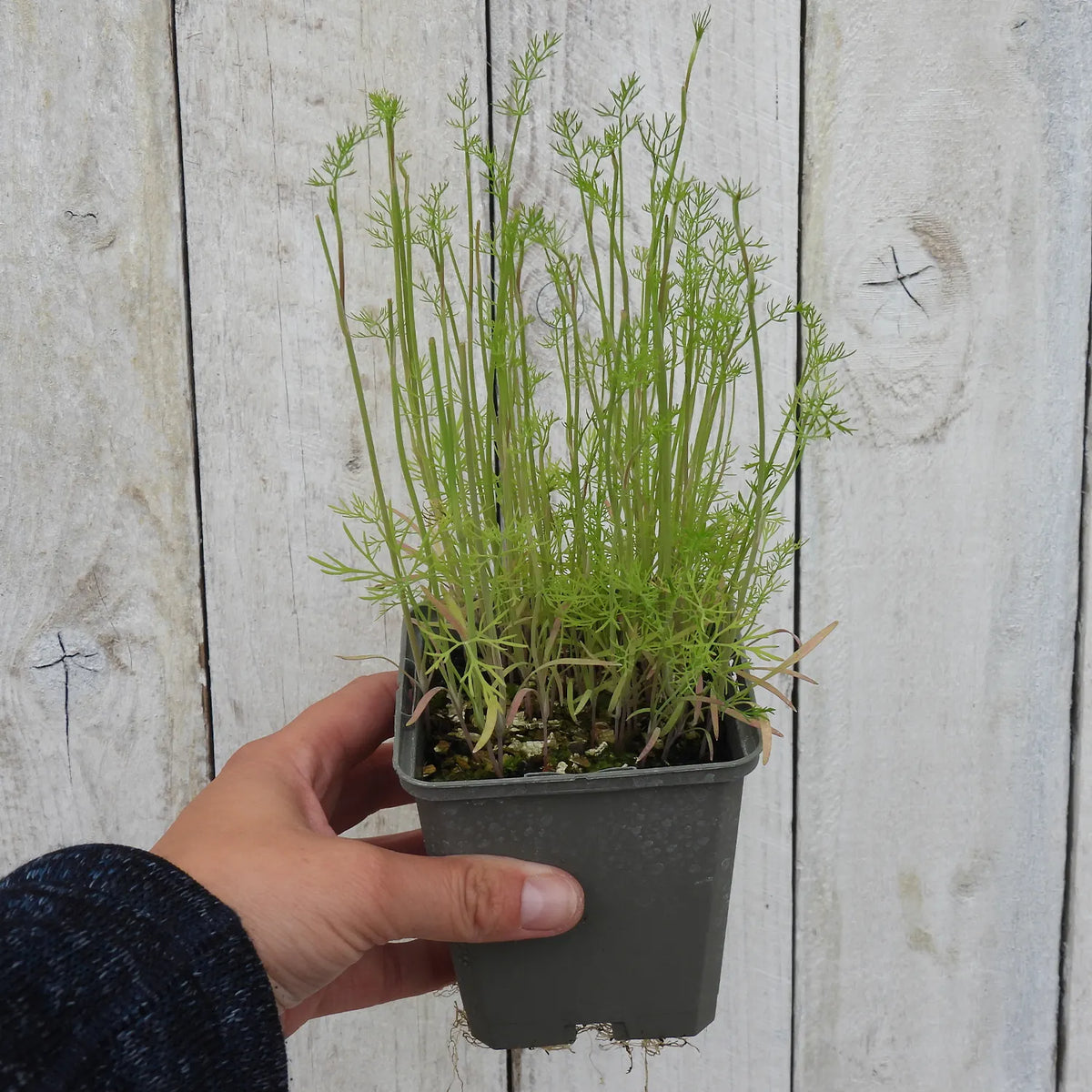
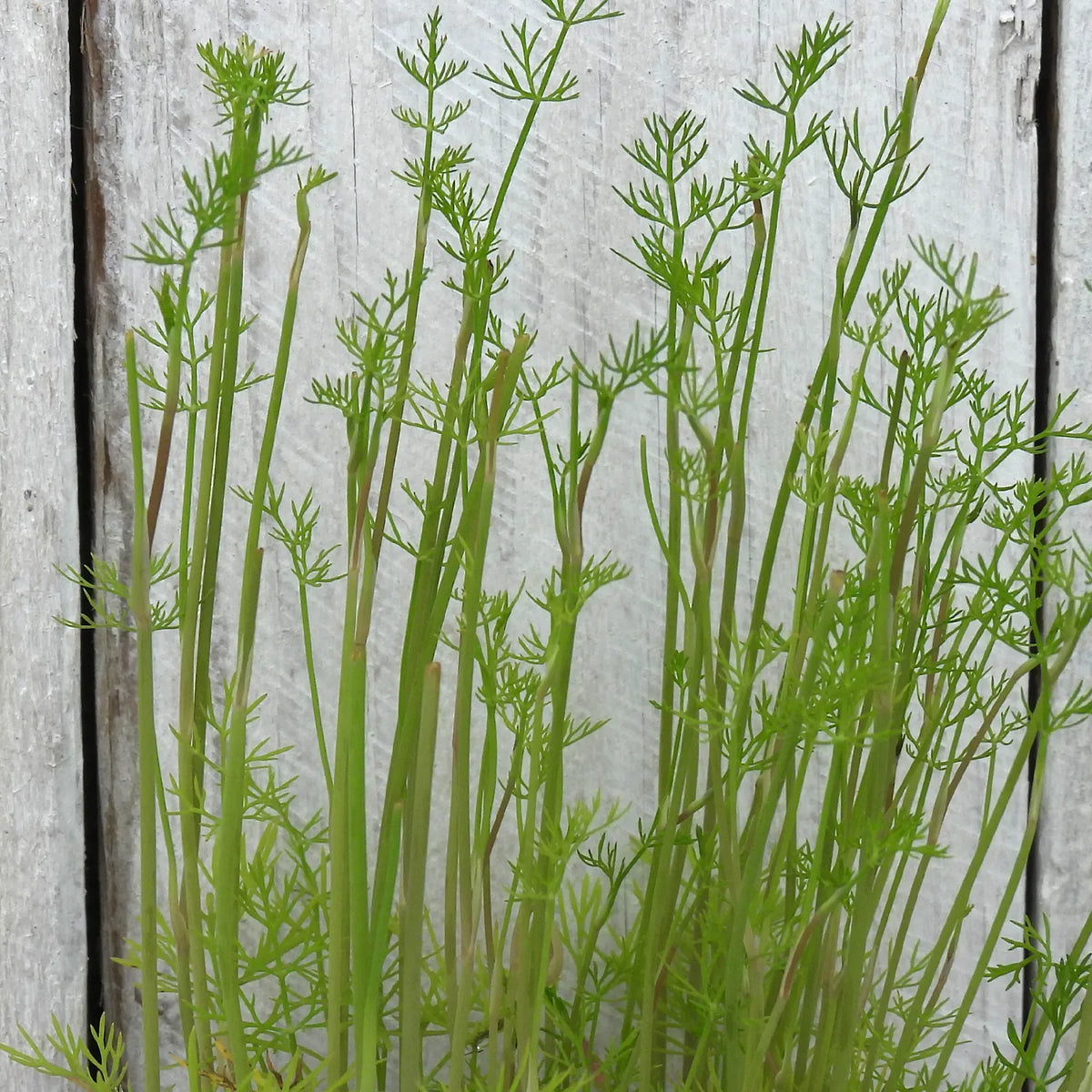
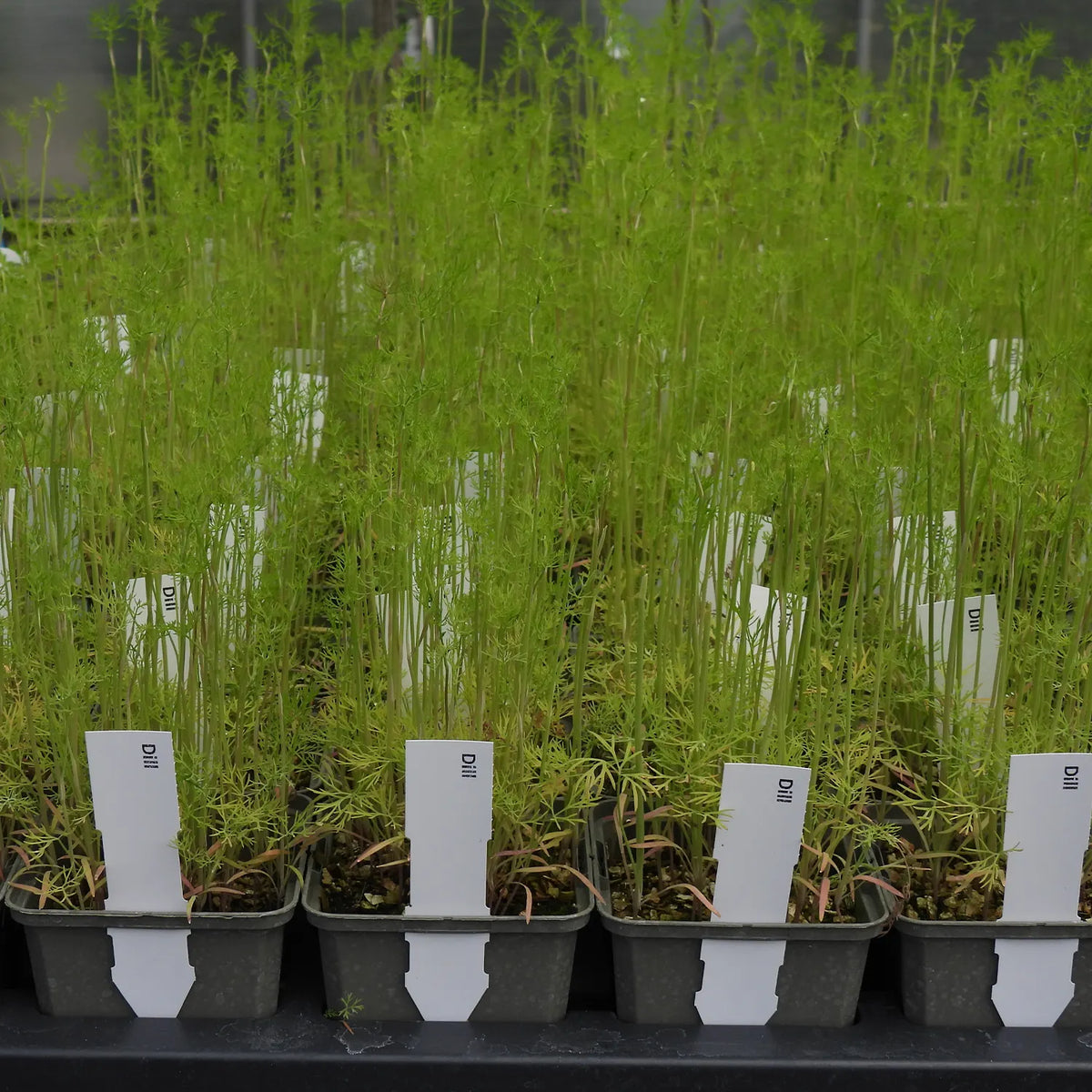



Dill divides into two uses: feathery leaves for fresh cooking, and seeds for pickling. Diana is a leaf-focused cultivar grown for foliage rather than flowers, which gives you longer to harvest before the plant bolts.
Dill was listed among the herbs used by Egyptian doctors 5,000 years ago, and remains of the plant have been found in Roman buildings in Britain. In the Gospel of St Matthew it appears as a herb of sufficient value to be used as payment of taxes. Early American settlers took it to the New World, where it became known as the Meeting House Seed: children were given it to chew during long church sermons to prevent hunger pangs. Given this history, the fact that dill's main reputation in the British kitchen garden is for bolting in June seems a little uncharitable.
Diana is selected for leaf production rather than seed: it puts energy into the feathery, anise-scented foliage rather than rushing to flower. Harvest regularly by snipping fronds from the outside, which encourages further leafy growth and delays bolting. Dill is tall: up to a metre, with hollow stems that need support in exposed spots; position it where it won't shade lower herbs. One important rule: keep it well away from fennel. The two cross-pollinate readily and the flavour of both suffers for it.
Dill grows well with brassicas (it attracts the beneficial insects that help control aphids) and is a compatible companion to coriander. In the kitchen it belongs with fish, new potatoes, and cucumber: a different culinary world from most of our other herbs. For the full herb range, see all our herb plants.
Our dill plants are hand-sown by our team, grown without neonicotinoids, and arrive in recycled pots. Nothing is bought in. We guarantee every plant.
Harvest regularly and keep it well watered in hot weather. Dill bolts in response to heat and drought; once the central flower stem forms, leaf production falls off sharply. Diana is selected to delay this, but it will still bolt eventually. Treat it as a succession crop: plant a second wave six weeks after the first for a longer season.
No. It's an annual that completes its life cycle in one season. Let it self-seed if you want volunteers the following year, though they're not always reliable. Replace plants each season for a predictable harvest.
Not ideal. Dill grows up to a metre tall, is tap-rooted, and blows over easily in wind, all of which a pot makes worse. It performs best in open ground with room to establish properly.
Brassicas and coriander grow happily alongside dill. Keep it well away from fennel: they cross-pollinate readily and neither tastes right afterwards. Carrots are also best kept at a distance.
That's correct. Dill has a warm, faintly anise-edged flavour, softer than tarragon and lighter than fennel. If it tastes sharp or astringent, the plant has likely flowered; harvest younger growth from lower on the stem instead.


 Sign In
 Saved items