


Sold as:

from £10.95

Sold as:
from £19.99
 5 Star Service Rating




 Secure, One-Tap Checkout
 5 Star Feefo Rating
 Hand Picked, Delivered to Your Door!
 1 Year Bareroot Guarantee
 Platinum Trusted Service Award 2026
 Mail Order Plant Experts - Est. 1949
 1 Year Bulb Guarantee
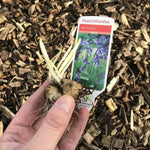


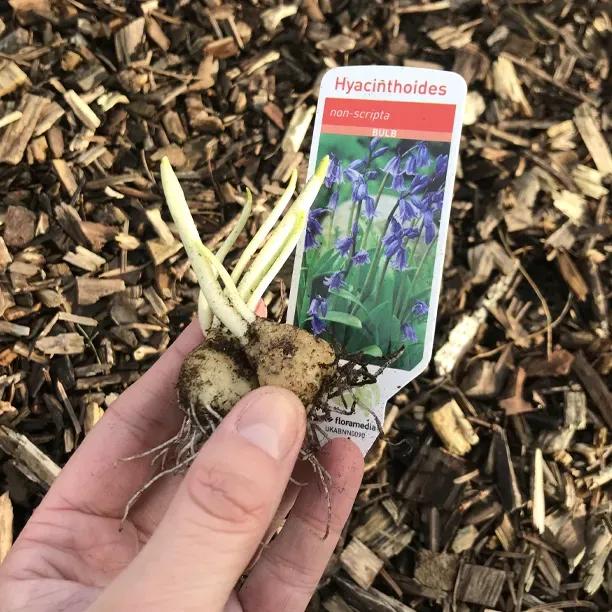
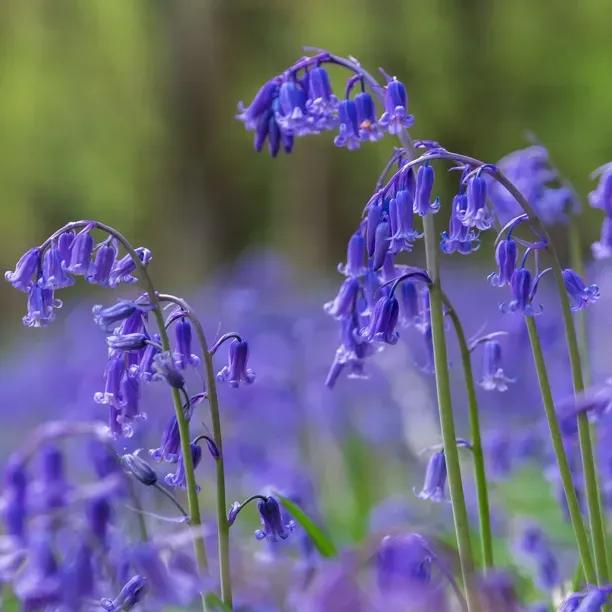



These are true British Bluebells, the native woodland bulb with nodding, violet-blue, sweetly scented flowers in April and May. They are sent in the green, freshly lifted and ready to plant at once, between February and the end of April. Our bulbs are field grown, never taken from the wild.
British Bluebells, Hyacinthoides non-scripta, are native woodland bulbs with nodding violet-blue flowers and a delicate sweet scent. In the green (which is a bit of a misnomer) simply means that the bulbs are in full growth and are delivered either while still in growth or when their foliage has freshly died back, so it can be yellow and shrivelled later in the season. This ensures the bulbs are moist which helps them establish more rapidly when they come into growth again.
Please note: Bluebells "in the green" is a misnomer, as the foliage can be yellow and shrivelled: this is normal, and has no adverse effect.
Browse our range of bulbs in the green.
There are a few bulbs and tubers that transplant at least as well and sometimes better when they're moved during their growing as opposed to their dormant season. These include snowdrops and aconites as well as bluebells. The science behind this revolves around the way that nutrients that are present in leaves and flower sink back into the bulb as the plant dies down in early summer and are then reused by it to kickstart growth in the following season.
Bluebells are amongst the best-known spring flowering plants. They grow wonderfully well in the UK where their early flowering is helped mightily by the warmth of the Gulf Stream.
They perform best when grown in moist ground containing plenty of organic matter. Plant them at between 40 and 50 bulbs per square metre.
Like many early flowering bulbs that are dormant in summer, they're happier growing in locations that are shaded when trees are in leaf as they prefer moist soil which tends to be easier to find in cooler spots. So try to select a planting site that emulates these conditions. The ground should be weed free, dug over well to allow for easy root growth, and it's best when improved with well-rotted organic matter to help retain moisture.
Buying bulbs in the green means you receive growing plants that are freshly lifted. A few species of bulb, including bluebells and snowdrops, establish best when they're transplanted quickly either while still in growth or when their foliage has freshly died back. This ensures the bulbs are moist which helps them establish more rapidly when they next come into growth; "in the green" is a misnomer, as the foliage can be yellow and shrivelled: this is normal, and has no adverse effect.
They really do need to be planted as quickly as possible after being lifted as their foliage is perishable and deteriorates rapidly after a few days. We, therefore, restrict our shipping dates from February until the end of April to weeks when the weather means your bluebells can be lifted immediately before despatch and are posted to arrive with you on a Thursday or Friday in time for planting that weekend.
When they're established, they spread quite vigorously, and will take over flower beds if you let them.
The classic woodland for bluebells is mostly birch, where the amount of dappled shade is perfect for them. They also like being in the shade of a country hedge.
Our bulbs are field grown and never taken from wild populations of bluebells in woodland.
Bluebells enjoy some of the more interesting local names; Bluebottle, Calver keys, Cover keys, Crake feet, Crow bells, Crow leek, Cuckoo flower, Culver keys, Dog leek, Fairy flower, Harebell, Single gussies, Squill, Wood bells
The easiest way to tell the difference between native and non-native bluebells is to look at the colour of the pollen. If it is creamy-white then the bluebell is a native. If it is any other colour, such as pale green or blue, then it is probably not native.
Bluebells belong under deciduous trees: the classic Bluebell wood is mostly Birch, and Silver Birch gives the right dappled shade. Snowdrops in the green travel the same way and flower before them. If you would sooner plant in autumn, we sell the same native Bluebells as dry bulbs. Our article on bulbs in the green explains the method.
Ashridge has sold plants since 1949 and is a Which? Best Plant Supplier 2025. Your Bluebells are field grown, never taken from the wild, lifted immediately before despatch and posted to arrive on a Thursday or Friday, in time to plant that weekend. Covered by our plant guarantee if you follow the instructions.
The bulbs are lifted while in growth, or just as the leaves die back, and sent at once. They arrive moist, which helps them establish. The leaves may be yellow and shrivelled: this is normal.
Between February and the end of April, in weeks when the weather lets us lift them just before despatch. You can order ahead from December.
As soon as they arrive, and within a few days. That is why we post them to reach you on a Thursday or Friday.
Plant 40 to 50 bulbs per square metre. A pack of 25 covers about half a square metre.
In partial shade, in moist, humus-rich soil that does not dry out: under deciduous trees or in the lee of a country hedge.
Look at the pollen. On a native Bluebell it is creamy-white. If it is pale green or blue, the plant is probably not native.
Yes. Once established they spread vigorously, and they can be a nuisance in the wrong place. Deadhead them to stop self-seeding.


 Sign In
 Saved items