Sold as:

from £10.95

Sold as:
from £19.99
 5 Star Service Rating




 Secure, One-Tap Checkout
 5 Star Feefo Rating
 Hand Picked, Delivered to Your Door!
 1 Year Bareroot Guarantee
 Platinum Trusted Service Award 2026
 Mail Order Plant Experts - Est. 1949
 1 Year Bulb Guarantee







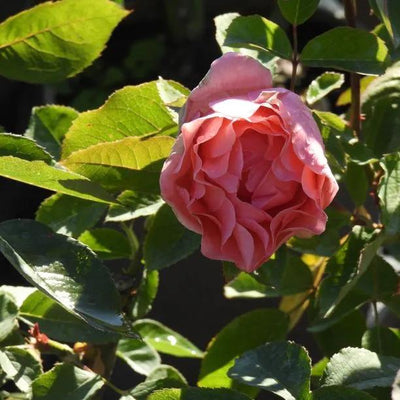
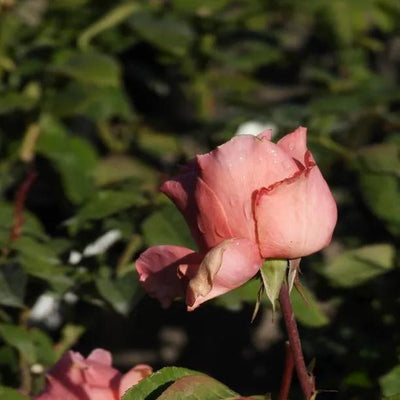
Ispahan is a clear mid-pink Damask shrub rose with double silky petals in clusters and strong, sweet fragrance. It flowers for an exceptionally long period — June and July — for a once-flowering rose, and deserves its reputation as one of the finest old roses for the British garden.
Named after the ancient Persian city celebrated for its roses, Ispahan carries centuries of rose-growing heritage in its petals. This is a Damask rose of pre-1832 origin, possibly much older, yet it remains unmatched for the length of its flowering season among once-blooming heritage varieties. Where many old roses flower for a brief two or three weeks, Ispahan performs steadily through June and July, producing blooms in such exceptional abundance that the plant becomes a cloud of clear mid-pink double flowers.
The blooms themselves are perfectly formed, with silky petals that release a strong, classic Damask fragrance — sweet, honeyed, and unmistakably old-rose in character. This is not a subtle scent. Plant Ispahan where you will pass it regularly, or cut a small spray to bring indoors and fill a room. The flower clusters are generous and open in sequence, extending the season further and providing material for cutting throughout its flush.
At 150cm (5ft), Ispahan makes a substantial but manageable shrub, broad and full-bodied, ideal for the middle or back of a border where its mid-pink tone harmonises with herbaceous companions. It is also reliable as a loose hedge, creating a fragrant screen through summer.
One reason Ispahan has survived and spread for nearly two centuries is its resilience. It shows good resistance to blackspot and powdery mildew, the two fungal diseases that most concern rose growers in the UK. This is not a plant that demands constant attention or chemical spraying. Given decent air circulation, well-drained soil, and basic care, Ispahan will reward you with abundant, healthy growth and prolific flowering year after year. It is undemanding in a way that modern roses often are not.
The foliage is lush and grey-green, forming a solid framework that supports the weight of flowers without staking. Ispahan does not need hard pruning. A light shaping in late winter and the removal of dead wood is sufficient. Old wood can be cut back more severely if space becomes tight, and the plant will respond well.
If you grow only once-flowering roses, Ispahan must be among them. The combination of exceptional flowering length, strong fragrance, disease resistance, and ease of cultivation makes it an intelligent choice for any garden that values scent and old-rose character. This is a rose that will outlive you and improve with age. It belongs in any serious collection of heritage varieties, and equally it belongs in a cottage garden or a contemporary border where fragrant, uncomplicated beauty is valued.
Ispahan's mid-pink blooms and strong perfume pair beautifully with the soft blues and purples of herbaceous perennials and companion shrubs. Try combining it with lavender for a classic fragrant pairing, or underplant with catmint and geraniums. Pale pink or white flowers, such as clematis, work well nearby, and ornamental alliums provide delicate vertical contrast. Silvery foliage plants like artemisia will also enhance the mid-pink tone and prevent the planting from becoming too heavy.
Our Ispahan specimens are budded onto vigorous rootstock and grown for us by specialist rose growers with decades of experience. We are winners of the Which? Gardening Best Plant Supplier award and hold the Feefo Platinum Trusted Service Award. Browse our full shrub rose collection.
Plant bare-root roses between November and March when dormant. Potted plants can be planted year-round but establish best in autumn or early spring. Prepare soil well with garden compost and plant firmly.
Ispahan typically reaches 150cm (5ft) in height and similar spread, forming a full, rounded shrub. It may exceed this in ideal conditions or exceed this in exceptional cases, but this is its reliable mature size.
No, Ispahan is a once-flowering rose that blooms in June and July. However, its flush is exceptionally long for a heritage variety, often extending six to eight weeks, which compensates generously for the single flush.
Prune lightly in late winter, removing dead or crossing wood and shaping as needed. Old specimens can be hard-pruned if renewal is required. Avoid hard pruning young plants. See our pruning guide for full details.
Ispahan shows good resistance to blackspot and powdery mildew. Ensure good air circulation, avoid overhead watering, and provide well-draining soil to minimise fungal problems. Most gardeners find it very healthy and reliable.



 Sign In
 Saved items