
Sold as:

from £10.95

Sold as:
from £19.99
 5 Star Service Rating




 Secure, One-Tap Checkout
 5 Star Feefo Rating
 Hand Picked, Delivered to Your Door!1 Year Bareroot Guarantee
 Platinum Trusted Service Award 2026
 Mail Order Plant Experts - Est. 1949
 1 Year Bulb Guarantee
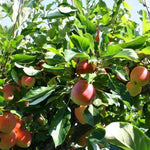
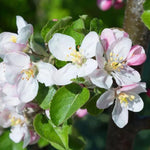
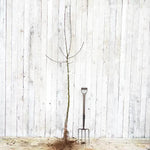
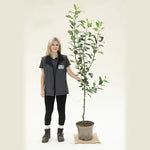
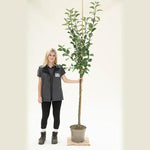


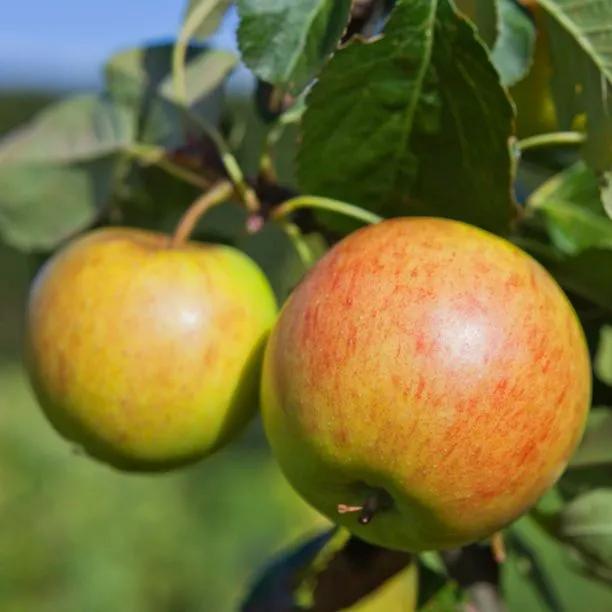
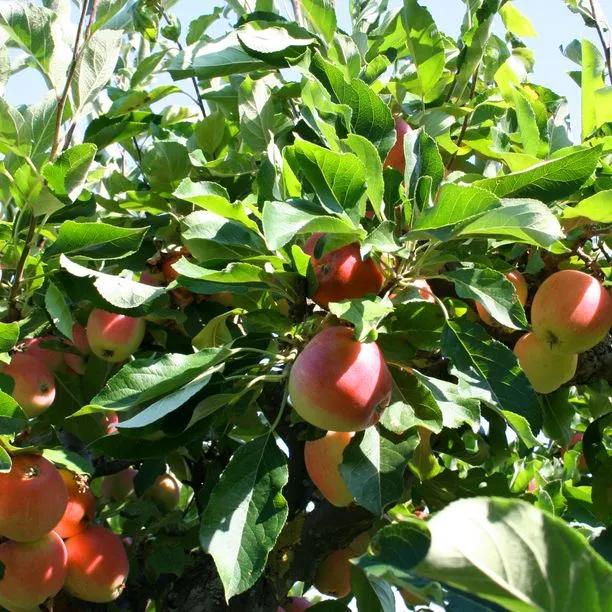
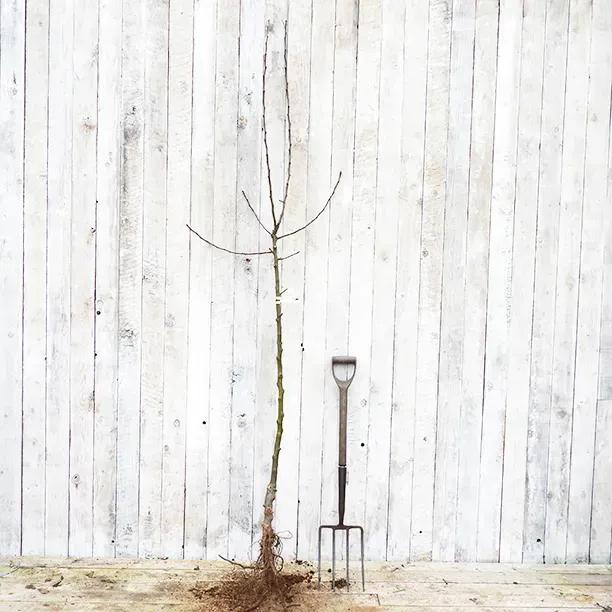
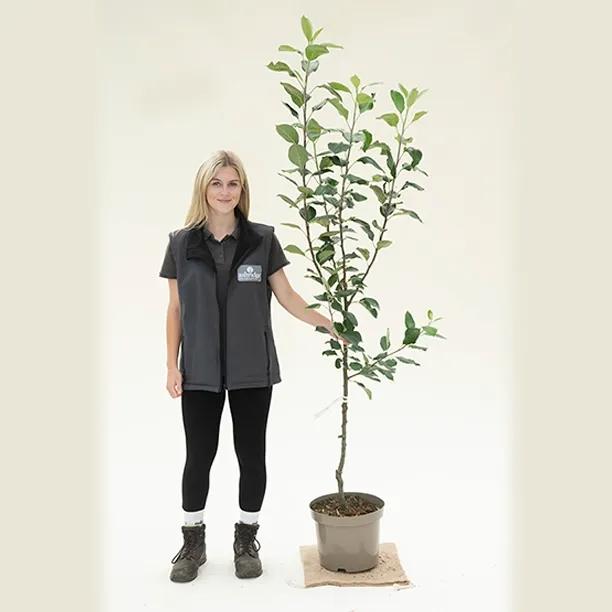
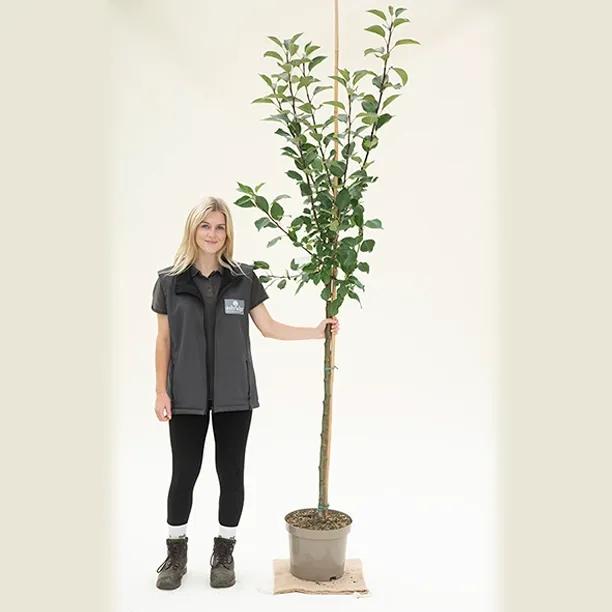



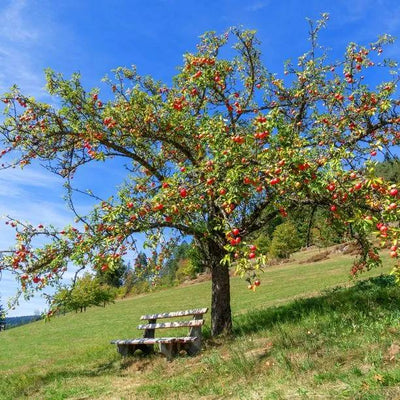
James Grieve is a dual-purpose apple raised in Edinburgh: sharp and good for cooking early in the season, sweeter and very juicy for eating from late September. It is self-fertile in pollination group C, grows to 4.5 metres on MM106, suits colder, wetter areas and holds the RHS Award of Garden Merit.
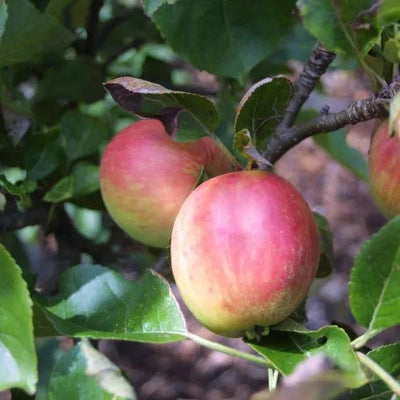
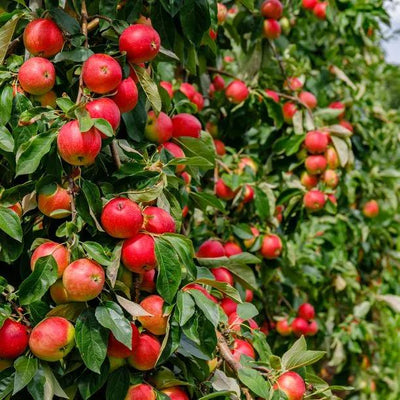
One of the best versatile apples, James Grieve holds the RHS Award of Garden Merit, awarded in 1993. The green fruit are large and attractively streaked with red, the cream flesh is very, very juicy.
Early in the season, the flavour is sharp and best for cooking, where they keep their shape in apple tarts or strudel. As the apple ages on the tree, it sweetens but always retains that slight edge to make it so wonderfully refreshing.
The texture is relatively soft, almost more like a firm pear.
Once picked in September, they'll store for a month or two; early windfalls make marvellous juice.
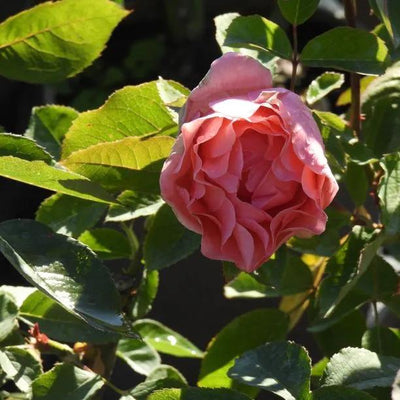
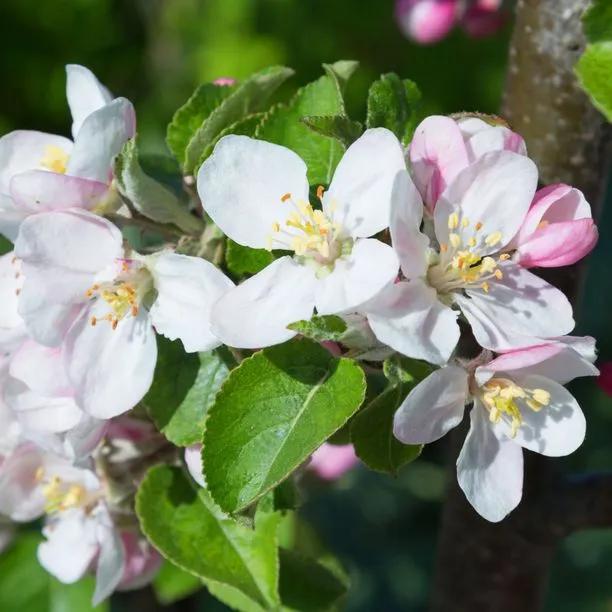
The predominantly pink but quite discreet blossom is remarkably frost proof.
Browse our range of apple trees, or all our fruit trees.
Read our guide to buying apples.
Delivery season: Bareroot plants are delivered from late autumn to spring, November to April. Pot grown plants, year round.
Apples like rich, well drained soil, and will thrive on clay in locations that do not get waterlogged in winter.
A full day of sun and shelter from the wind is ideal.
The blossom of apple trees coincides with the best of the bulbs; surround yours with Triumph tulips or lovely daffodils like Ice Follies.
Rootstocks:
We use MM106 for James Grieve, the UK standard for medium-sized trees, ideal for gardeners. On MM106 rootstock, expect a mature size of around 4.5m tall and 4.5m across, whichever form you choose.
MM106 maidens are suitable for cordons, fans and espaliers. We don't sell ready-trained cordons, fans or espaliers but you can just buy maidens and train them yourself: we can pre-prune them to whichever form(s) you choose and we send you instructions at pruning time in subsequent years.
Disease Notes:
Resistant to scab.
Your trees are self fertile, making decent crops without a pollination partner, but still perform best with one.
James Grieve is in Pollination Group C, which cross-pollinates with other apple trees in Groups B, C and D.
Use our Fruit Pollination Checker to quickly find pollination partners, or Apple Pollination Guide to learn more.
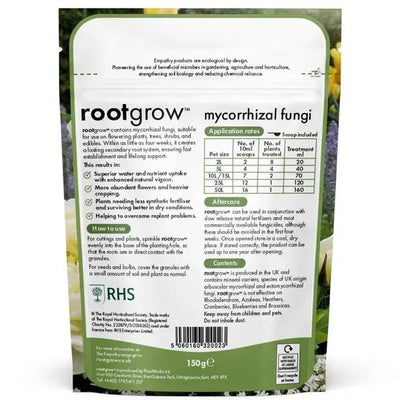
James Grieve is self-fertile, and a partner still lifts the crop. Discovery, Sunset, Katy and Charles Ross share group C, with Lord Lambourne in group B and Ellison's Orange in group D either side. Dust bareroot roots with Rootgrow as you plant.
Ashridge has sold trees since 1949 and is a Which? Best Plant Supplier 2025. Your James Grieve is on MM106, and maidens are pre-pruned before despatch for the form you choose. Bareroot trees are guaranteed for 12 months, and so is a potted tree delivered leafless between November and March.
Both. It is an early dessert apple that can be cooked if you pick it before it is ripe, and it keeps its shape when cooked. Early windfalls make good juice.
No. It is self-fertile and crops alone, though it does better with a partner. It is in group C, so partners come from groups B, C and D.
On MM106, about 4.5 metres tall and 4.5 across at maturity, whichever form you buy. All our apple trees are on MM106.
From late September for eating, and earlier if you want sharp apples for cooking. Its season of use is September to October, and the fruit bruises easily.
Yes. It suits northerly, colder areas with high rainfall, and we recommend it for the North and for Scotland.
Yes. It is a spur bearer, and it is suitable for all training forms. Buy a maiden: we pre-prune it before despatch for the form you choose.
Bareroot trees are delivered from November to April, while they are dormant. Pot-grown trees can be delivered and planted in any month when you find them in stock.
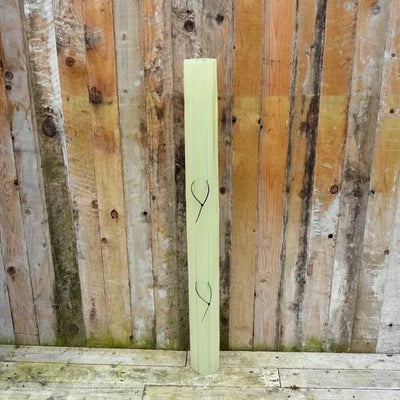




James Grieve Apple Trees needs a different apple tree nearby, in flower at the same time, to produce fruit. The varieties below are compatible pollination partners.


 Sign In
 Saved items