

Sold as:

from £10.95



Sold as:
from £19.99
 5 Star Service Rating




 Secure, One-Tap Checkout
 5 Star Feefo Rating
 Hand Picked, Delivered to Your Door!1 Year Bareroot Guarantee
 Platinum Trusted Service Award 2026
 Mail Order Plant Experts - Est. 1949
 1 Year Bulb Guarantee




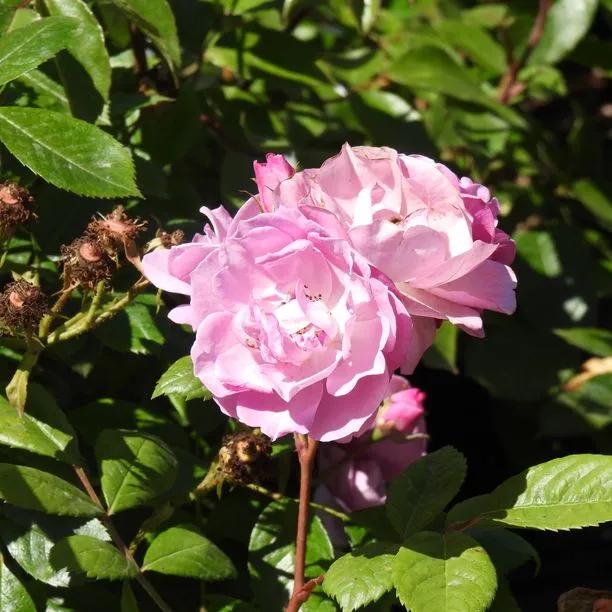
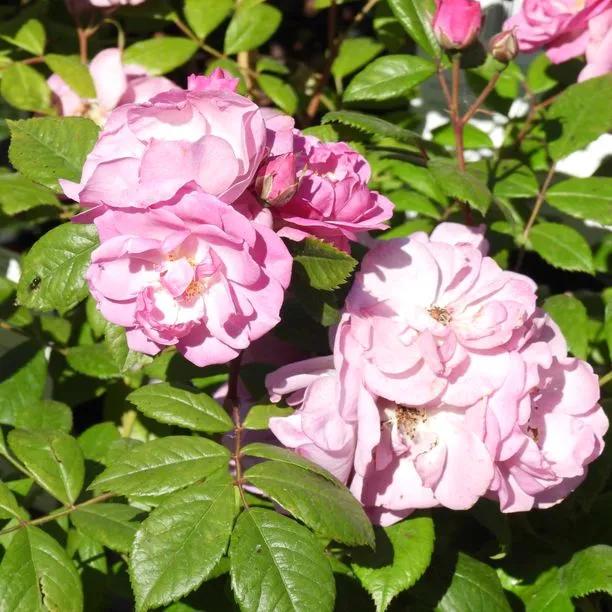
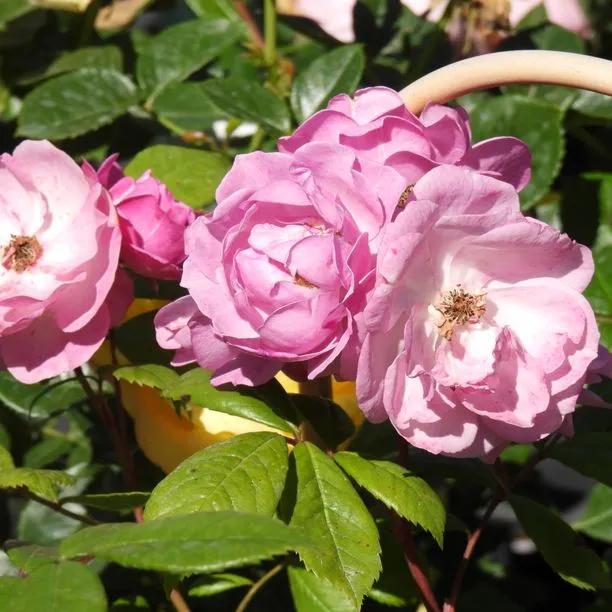




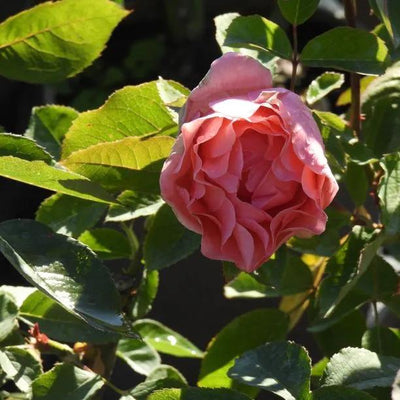
Lilac Bouquet is an unusual climbing rose bearing lilac-pink, semi-double blooms in large open clusters from June to October. A repeat-flowering variety that reaches 300cm (10ft), it offers exceptional softness of colour and strong appeal to pollinators, making it perfect for walls, fences and pergolas where traditional red or pink climbers feel too obvious.
This is a climbing rose that breaks the mould. Rather than the deep crimsons, hot pinks or white classics you will find everywhere, Lilac Bouquet offers a genuinely uncommon lilac-pink tone that works with a wide range of garden styles. The semi-double blooms are generously sized and carried in substantial clusters, so you get real mass and presence on the plant even though the individual flowers are open and delicate. Those open faces are a magnet for bees and other pollinators, making this rose an excellent choice if you want your vertical planting to support local wildlife.
The plant is a reliable repeat-flowerer, producing new flushes from June right through to the first frosts in October. You will never have a long bare spell, which matters when a climber is the focal point of a wall or fence. The moderate fragrance is sweet rather than heavy, so it will not dominate a small courtyard or enclosed space. Height at maturity is typically 300cm (10ft), making it suitable for most garden structures without becoming unwieldy.
Lilac Bouquet performs well in full sun to partial shade, though flowering will be most generous where it receives good light. Train the stems horizontally along your support to encourage side-breaks and fuller coverage rather than vertical growth. This variety responds well to being tied in as it grows, building a structured framework across your wall or fence.
Position your rose where it has solid support - a sturdy fence panel, wall trellis or robust pergola structure is essential. Climbing roses are not self-clinging and will need tying in as they grow. Use soft ties or horticultural fleece strips to secure stems loosely to horizontal and vertical wires or trellis, allowing for stem thickening. Ensure the base of the plant has adequate air circulation and is not smothered by dense neighbouring growth, as this reduces disease pressure. Apply a thick mulch of well-rotted compost each spring to retain moisture and suppress weeds.
Water deeply during dry spells in the growing season, particularly in the first two years. Established plants are fairly drought-tolerant but will flower more prolifically with consistent moisture. For full pruning guidance and seasonal care, refer to our detailed climbing rose pruning guide.
The unusual colour of Lilac Bouquet makes it surprisingly versatile. It pairs beautifully with soft purples, creams, silvers and whites, but also works with deeper jewel tones and foliage-rich schemes. Train it over a pergola and underplant with lavenders and catmint for a cohesive cottage garden feel, or grow it against a rendered wall with clematis in deeper tones for contrast. The semi-double blooms and generous clusters make this rose feel less formal than many climbers, so it suits naturalistic planting schemes and wilder garden corners as much as structured designs.
Lilac Bouquet looks stunning when paired with complementary wall and border plants. Consider combining it with clematis varieties in purple or white, lavender plants at the base for soft texture and scent, or herbaceous perennials such as delphiniums and catmint. Allium bulbs planted nearby will echo the flower clusters, while silver-foliaged shrubs will enhance the delicate pink tones of the blooms.
Lilac Bouquet was bred by Christopher H. Warner and released in 2017, registration name CHEwlilacdays.
Our climbing roses are budded onto vigorous rootstock and grown for us by specialist rose growers. We have been supplying quality plants since 1949, and our award-winning service speaks for itself. Browse our full climbing rose collection today.
Lilac Bouquet reaches approximately 300cm (10ft) at maturity, making it ideal for walls, fences and medium pergolas. Train it horizontally to encourage branching and fuller coverage.
This rose flowers from June through to October and is a reliable repeat-flowerer. It produces new flushes of blooms throughout the growing season if deadheaded regularly and well-watered.
Yes, Lilac Bouquet has a moderate, sweet fragrance. It is not overpowering, making it suitable for enclosed courtyards and smaller gardens where heavy scent might be overwhelming.
This climbing rose requires a sturdy structure such as a wall trellis, fence or pergola. It is not self-clinging and must be tied in loosely using soft ties or fleece strips as it grows.
Bare root plants can be planted from November to March. Potted plants can be planted year-round, though spring and autumn are ideal. Read our full rose growing guide for detailed planting instructions.






 Sign In
 Saved items