
Sold as:

from £10.95



Sold as:
from £19.99
 5 Star Service Rating




 Secure, One-Tap Checkout
 5 Star Feefo Rating
 Hand Picked, Delivered to Your Door!1 Year Bareroot Guarantee
 Platinum Trusted Service Award 2026
 Mail Order Plant Experts - Est. 1949
 1 Year Bulb Guarantee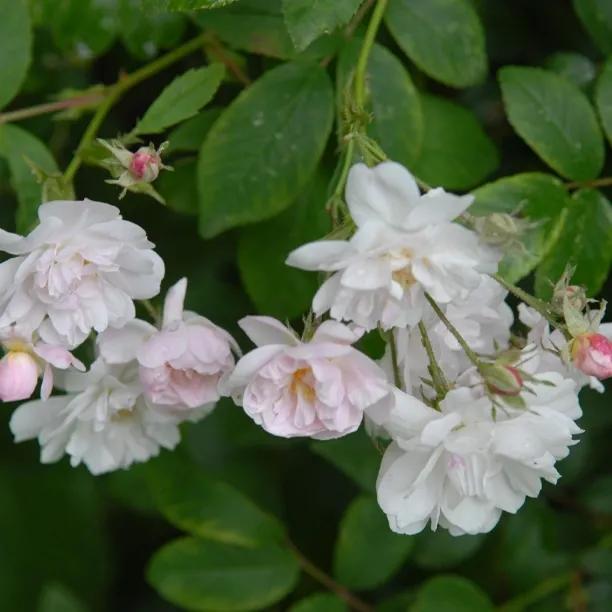




Paul's Himalayan Musk is a rambling rose with soft lilac-pink, small double pompom blooms in huge cascading clusters and strong sweet musk fragrance. One of the most vigorous ramblers ever bred, it flowers once in late June and July in a breathtaking flush that easily justifies the space it demands.
This is not a rose for a cottage garden. Bred around 1916, Paul's Himalayan Musk is one of the most vigorous ramblers in existence, and it will genuinely grow into large trees. A single specimen can cover an entire mature apple tree or sprawl across a substantial pergola. Heights of 900cm (30ft) are realistic, and the plant will keep growing year after year, developing woody canes as thick as your arm. If you have the space and the right structure, however, this rose is an unparalleled investment.
The reward for its vigour is a glorious, concentrated flush of bloom in late June and July. The flowers are small double pompoms in soft lilac-pink, borne in enormous cascading clusters that literally clothe the plant. From a distance, an established specimen looks like a cloud of blossom. Close to, each flower carries a strong, sweet musk fragrance that perfumes the air on warm days. This is one of the finest sights in any large garden.
Paul's Himalayan Musk is best grown into old fruit trees — apple, pear, and cherry are ideal — or over very large arches and pergolas where it can ramble freely without pruning. It also suits woodland edges, where it can clamber into established trees. Avoid confined spaces. In return for respecting its size, you get a statement rose that flowers only once but does so with such conviction that the memory carries you through the rest of the year.
Plant in autumn or early spring into well-draining soil enriched with compost or well-rotted manure. This rose is not fussy about soil pH and will tolerate partial shade, though flowering is best in full sun. Once established, it is remarkably low-maintenance. Let it grow and ramble; hard pruning only encourages more vegetative growth and delays flowering. A light tidy-up after flowering, removing dead wood and crossing canes, is all that is needed. Water regularly in the first season and during dry spells thereafter. It holds the RHS Award of Garden Merit and has proved itself over more than a century in British gardens.
Pair Paul's Himalayan Musk with other cottage garden favourites that bloom earlier or later in the season. Clematis varieties with small flowers work well through the rose canes, as do late-flowering herbaceous perennials beneath. For fragrance in other seasons, underplant with lavender or hardy geraniums. If you are growing this rose into a tree, the dappled shade beneath suits shade-tolerant perennials and ferns. Explore our full range of rambling roses for other vigorous varieties.
Our roses are budded onto vigorous rootstock and grown for us by specialist growers. We are winners of the Which? Gardening Best Plant Supplier award and hold the Feefo Platinum Trusted Service Award. Browse our complete rose collection.
It will reach 900cm (30ft) or more in height and spread, making it one of the most vigorous ramblers. It suits large trees, woodland edges, and substantial structures only.
No. Paul's Himalayan Musk flowers only once, in late June and July, but the flush is so abundant and fragrant that this single flowering is its defining glory.
Not successfully. This rose will outgrow small structures and become congested. Reserve it for large arches, pergolas, or trees where it can sprawl and cascade freely.
No. It is a vigorous, healthy variety that shows no documented susceptibility to common rose diseases. Good air circulation and established growth support its wellbeing.
Plant bare-root specimens from November to March, or potted plants year-round. Prune minimally — just remove dead wood after flowering. Hard pruning encourages excessive growth and delays blooms.







 Sign In
 Saved items