



Sold as:

from £10.95

Sold as:
from £19.99
 5 Star Service Rating




 Secure, One-Tap Checkout
 5 Star Feefo Rating
 Hand Picked, Delivered to Your Door!1 Year Bareroot Guarantee
 Platinum Trusted Service Award 2026
 Mail Order Plant Experts - Est. 1949
 1 Year Bulb Guarantee

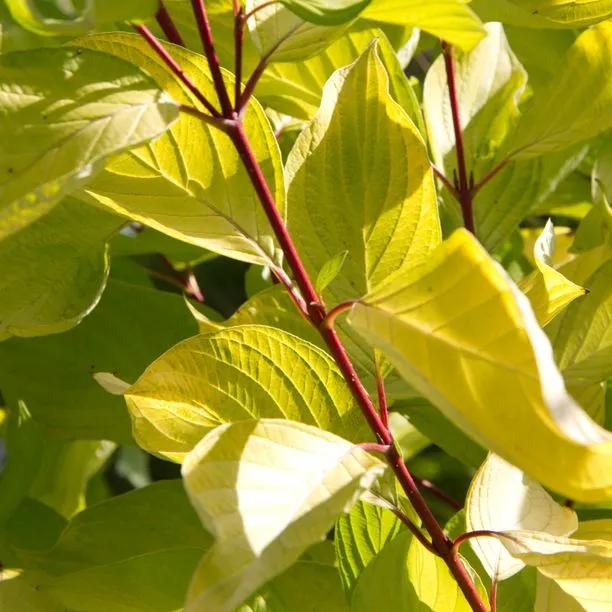
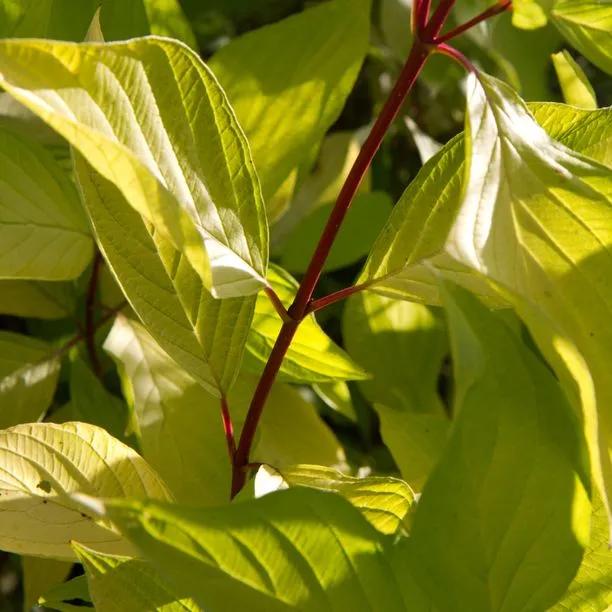




Confusingly, this is the plant behind both the "white dogwood" and "red dogwood" names in general use — and both are honest. The white berries give it one name, the bright red winter stems the other. The RHS settles on red-barked dogwood. Whichever name you know it by, it's the same vigorous, hardy garden dogwood, distinct from our native Common Dogwood: hardier, more vigorous, brighter-stemmed, and happy on coastal sites where the native species struggles.
It takes almost any soil, damp ground included, and shrugs off exposure that would trouble other hedging. Full sun brings out the strongest stem colour.
Grown for its stems rather than a clipped face, this dogwood wants the same treatment as its native cousin: cut hard every year in late winter to early spring, back to 5–7.5cm from the ground, once it's established and growing strongly (allow two years after planting before the first hard cut). Colour lives in the youngest wood — the harder you cut, the better next winter's display. Left unpruned it will grow into a large, suckering thicket rather than a compact colour block.
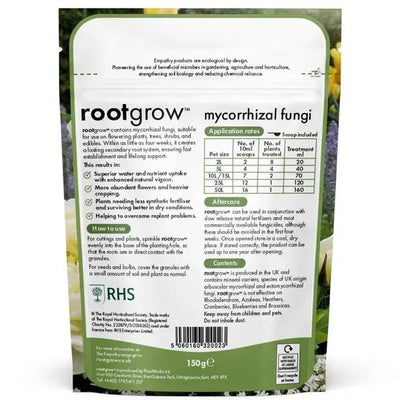
Plant into a weed-free strip through the bareroot season, November to April, avoiding frozen or waterlogged ground. Firm in to the root collar, apply Rootgrow, and water through the whole first season. Keep the base weed-free for the first two to three years while it establishes.
Ashridge hedging is grown for one purpose — to be a hedge — under contract by specialist UK growers working to our specification. We're one of very few UK nurseries selling dogwood and willow bareroot at all, and one of the largest UK sellers of bareroot hedging generally, to gardeners and the trade alike. Stock is lifted to order and held in a purpose-built cold store through the season. Bareroot plants establish very readily: like for like, a bareroot plant is larger, stronger and healthier than a pot-grown one, and better value for money. This dogwood is guaranteed to grow for 12 months, subject to our standard care conditions.
For the berries, not the stems — this plant produces white berries alongside its red winter stems, and both names are in genuine use. It's the same plant either way.
This one is hardier, more vigorous, brighter-stemmed and not a UK native. Common Dogwood is what goes into a traditional country hedge; this one is the garden plant for a dedicated winter-colour display.
3 plants per metre in a single row for a garden planting, or 6 per metre in a staggered double row for a fuller winter block.
Late winter to mid-spring, with early-to-mid April the best balance. Cut all shoots to 5–7.5cm from the ground once established — do this every year for the strongest colour.
Yes — it takes coastal exposure comfortably, better than our native dogwood, and tolerates almost any soil including damp ground.
At least 0.5m from a fence or boundary — also a condition of our 12-month guarantee.
Pairs well with Golden Twig Dogwood for a yellow-against-red winter contrast, underplanted with snowdrops or other early bulbs. See the full dogwood range or browse all hedging plants.




 Sign In
 Saved items