
Sold as:

from £10.95

Sold as:
from £19.99
 5 Star Service Rating




 Secure, One-Tap Checkout
 5 Star Feefo Rating
 Hand Picked, Delivered to Your Door!1 Year Bareroot Guarantee
 Platinum Trusted Service Award 2026
 Mail Order Plant Experts - Est. 1949
 1 Year Bulb Guarantee
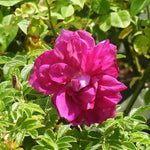
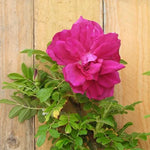
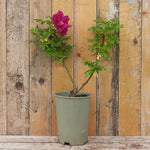
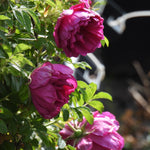
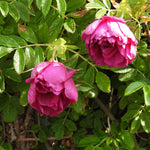
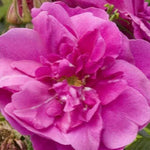

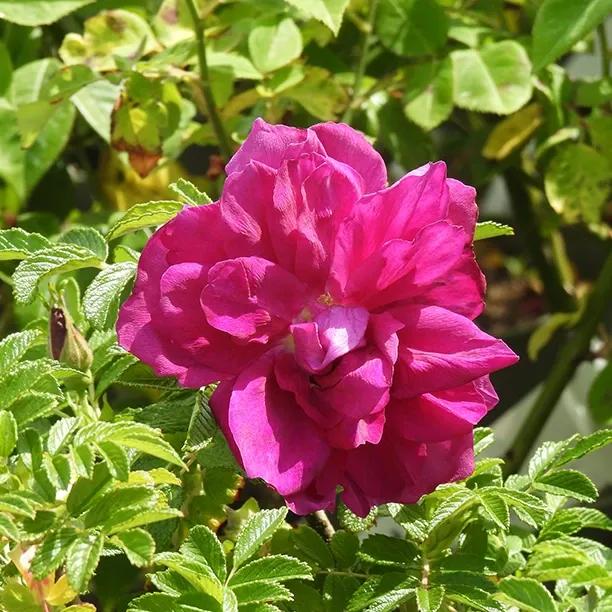
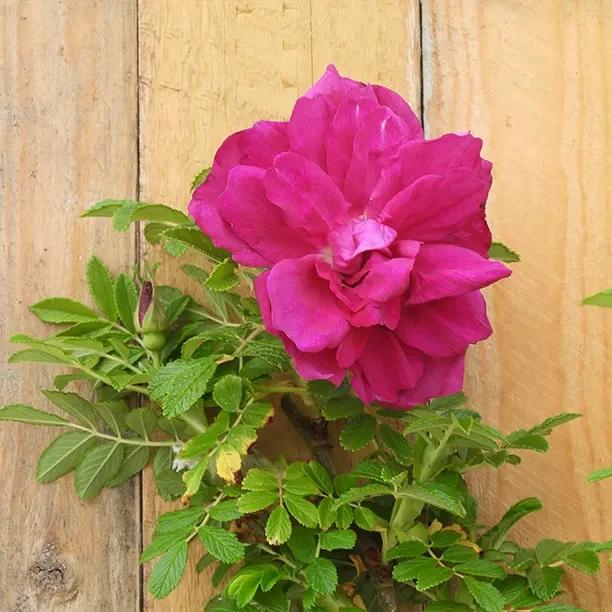
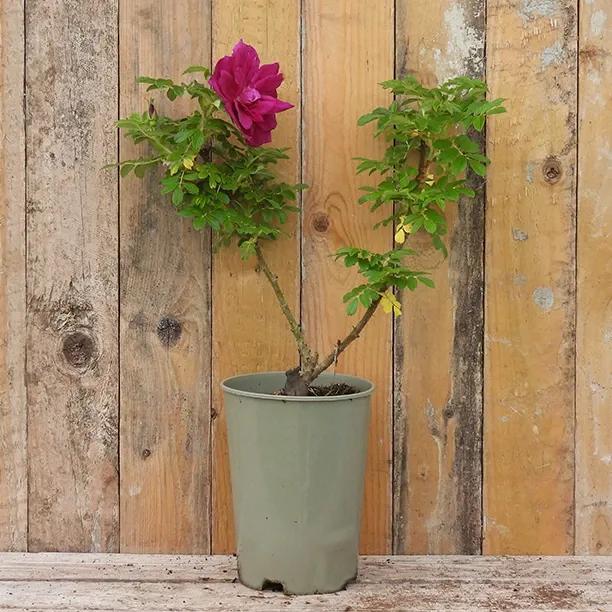
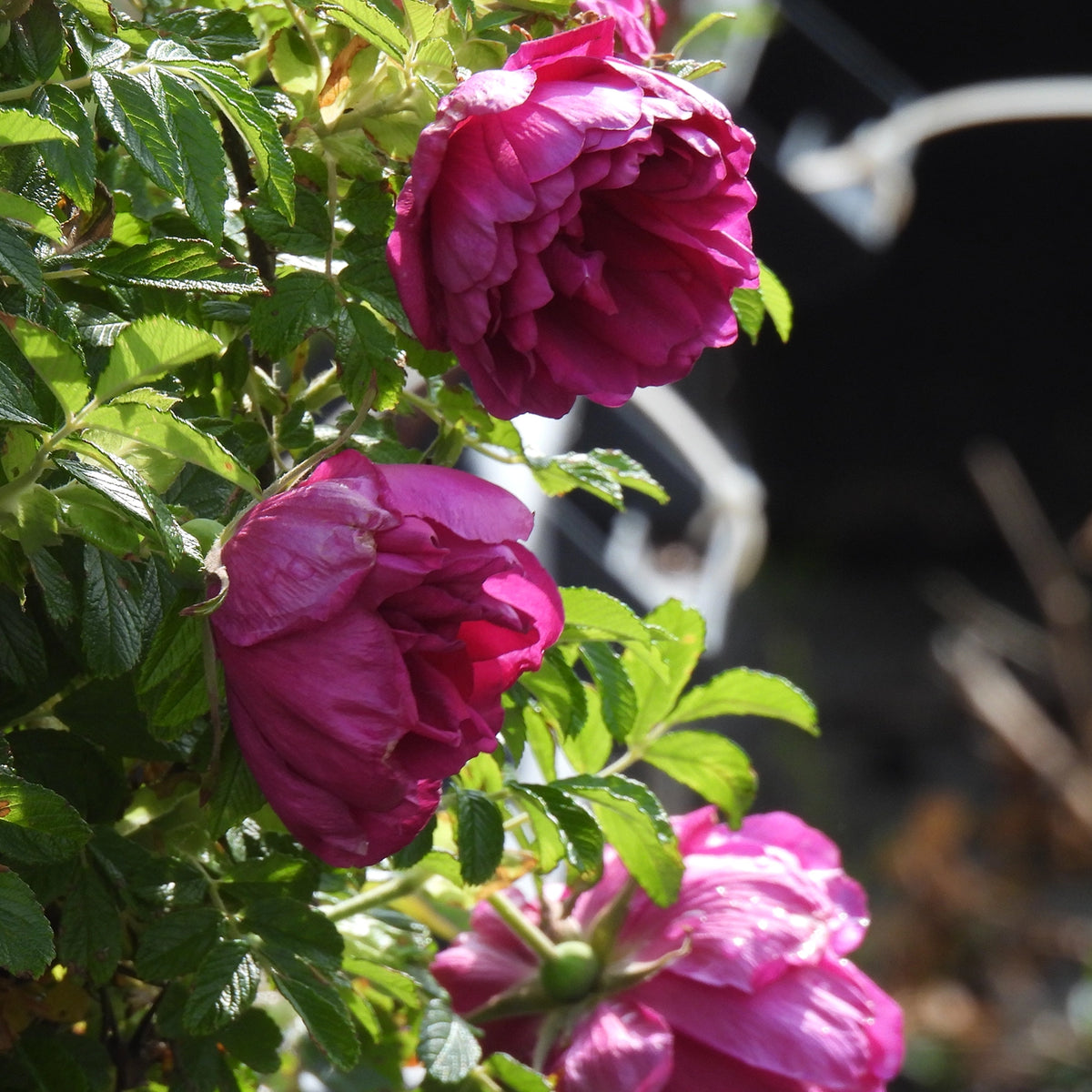
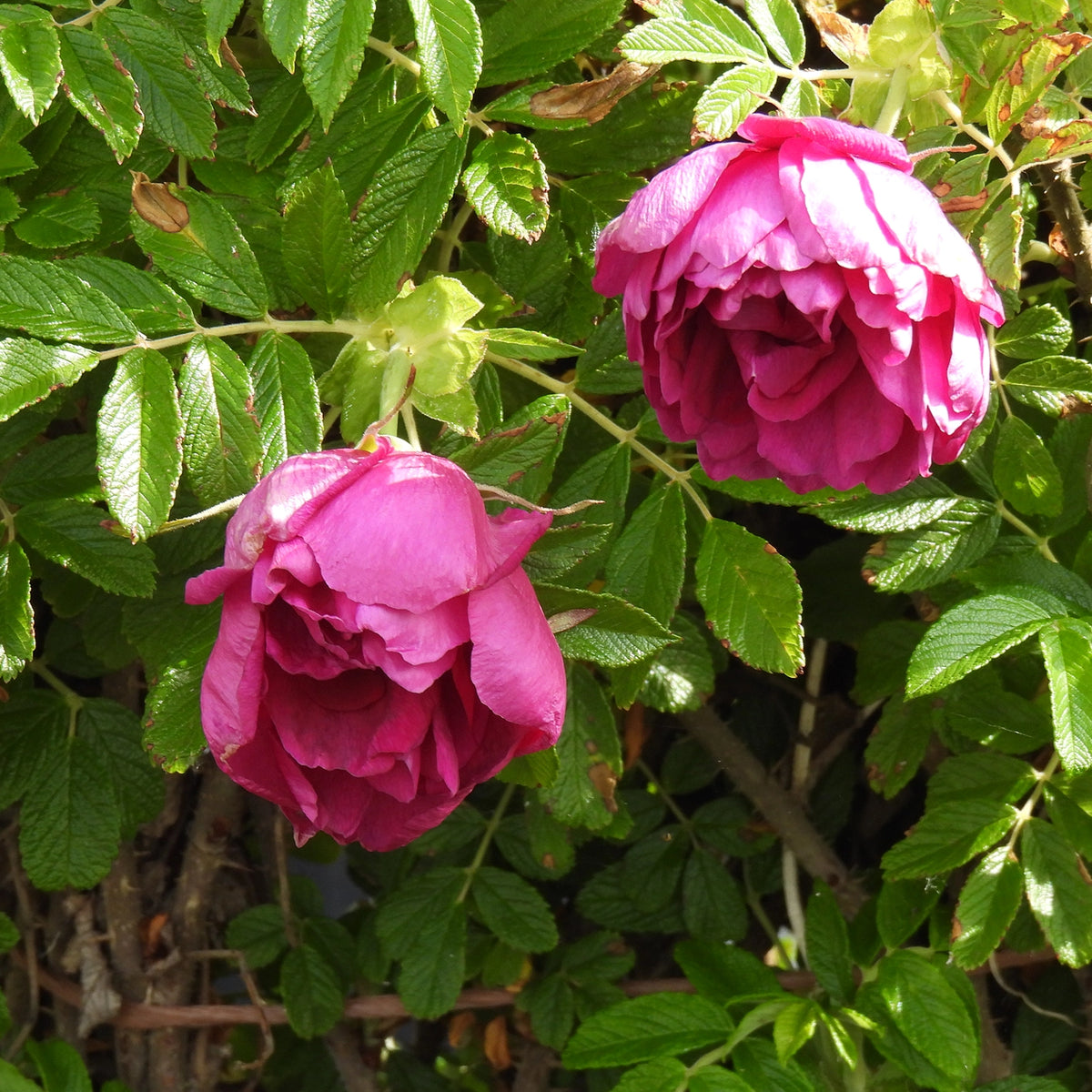
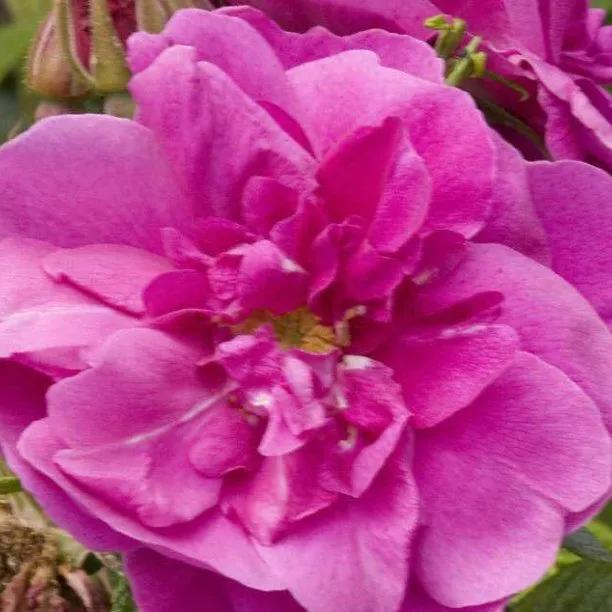




Roseraie de l'Hay is a vigorous Rugosa shrub rose with rich magenta-crimson, loosely double blooms and very strong old rose fragrance. One of the most continuously flowering roses available, it flowers reliably from June through to October with minimal dead-heading and exceptional garden presence.
Bred by Cochet-Cochet in France in 1901, Roseraie de l'Hay remains one of the finest shrub roses for continuous colour and scent. The large, loosely double blooms open flat to reveal deep magenta-crimson petals with a heady fragrance that fills the garden on warm evenings. It flowers without pause from early summer right through autumn, a trait rare in older roses and even rarer combined with this level of perfume intensity.
The plant itself is a vigorous grower with the characteristic crinkled, leathery foliage of Rugosa roses, which gives year-round interest and excellent disease resistance. At 200cm (6.5ft) tall, it forms a substantial, well-structured shrub that doesn't require constant fussing. The heavy petal count means fewer hips are produced, but the trade-off is relentless flowering and perfume that justifies every centimetre of garden space.
What makes Roseraie de l'Hay particularly valuable is its tolerance of poor soils and exposed positions. Many modern roses sulk on thin, hungry ground or in windier gardens, but this Rugosa hybrid powers through where others falter. It's equally at home as a specimen shrub in a border, woven into a mixed planting with perennials and companion shrubs, or massed as informal hedging where its continuous bloom and fragrance become a seasonal feature guests will notice immediately.
The fragrance of Roseraie de l'Hay is not subtle or fleeting. It's the kind of rich, old rose scent that demands comparison to heritage specimens and rewards close planting near seating areas or garden paths. Every bloom carries the same intensity from June through to the first hard frosts, so you're not chasing a brief flush of scent in midsummer. Water it well during establishment and through the growing season, and it will reward you with blooms and perfume that feel almost too generous for a single plant.
The repeat flowering habit is nearly automatic. Unlike some shrub roses that flower hard in June and then fade to sparse repeat, Roseraie de l'Hay blooms continuously if left alone. A light tidy in midsummer will encourage more branching and denser flowering, but even without intervention it delivers. This is a rose that works in a modern garden where gardeners want colour and interest through the seasons without resorting to high-maintenance bedding schemes.
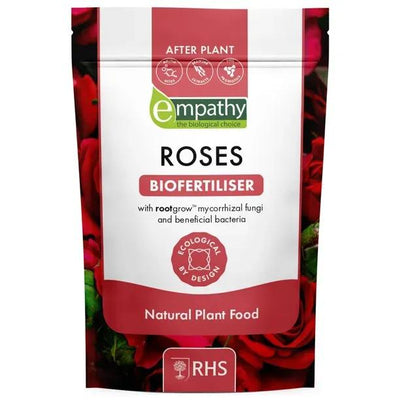
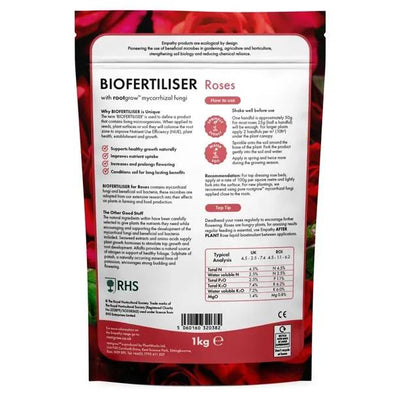
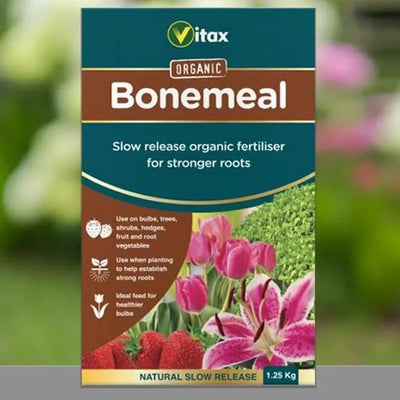
Plant in full sun to partial shade in well-draining soil, ideally enriched with garden compost at planting time. Rugosas are among the toughest roses, and this variety is no exception, but establishing it with proper watering in the first year pays dividends in vigour and longevity. Prune lightly in late winter, removing dead or crossing canes and cutting back by roughly one-third to maintain shape. Hard pruning is unnecessary and will only delay flowering. Once established, feed in spring with a balanced rose fertiliser or fish, blood and bone, and mulch annually to retain moisture and suppress weeds.
Roseraie de l'Hay pairs beautifully with lavender for complementary colour and scent, and with herbaceous perennials such as salvias, delphiniums and catmint for textural contrast. Clematis trained nearby adds vertical interest without competing for nutrients, while allium brings architectural form and a second wave of interest in early summer.
Our shrub roses, including Roseraie de l'Hay, are budded onto vigorous rootstock and grown for us by specialist rose growers. We're award-winning suppliers, trusted by gardeners since 1949. Order with confidence and receive quality plants delivered next-day or collected from Castle Cary. Browse our full shrub rose collection today.
It reaches 200cm (6.5ft) in height at maturity, forming a substantial upright shrub. Width is typically similar, so allow adequate space. Light pruning keeps it compact if needed.
Bare root plants are available November to March and should be planted immediately. Potted plants can be planted any time the ground isn't frozen or waterlogged, though autumn and spring are ideal.
Few hips form because of the heavy petal count and continuous flowering habit. If hips are important to you, consider other Rugosa varieties instead. Fragrance and bloom make up for this here.
Rugosa roses are naturally disease-resistant due to their tough, crinkled foliage. Roseraie de l'Hay is no exception and rarely suffers from mildew or blackspot with basic garden care and good air circulation.
Yes. This is one of its great strengths. Rugosa roses tolerate poor, thin, sandy or chalky soils where other roses struggle. Amend with compost at planting and it will thrive with minimal feeding required thereafter.



 Sign In
 Saved items