


Out of Stock
Sold as:

from £6.99



Sold as:
from £19.99
 5 Star Service Rating




 Secure, One-Tap Checkout
 5 Star Feefo Rating
 Hand Picked, Delivered to Your Door!
 1 Year Bareroot Guarantee
 Platinum Trusted Service Award 2026
 Mail Order Plant Experts - Est. 1949





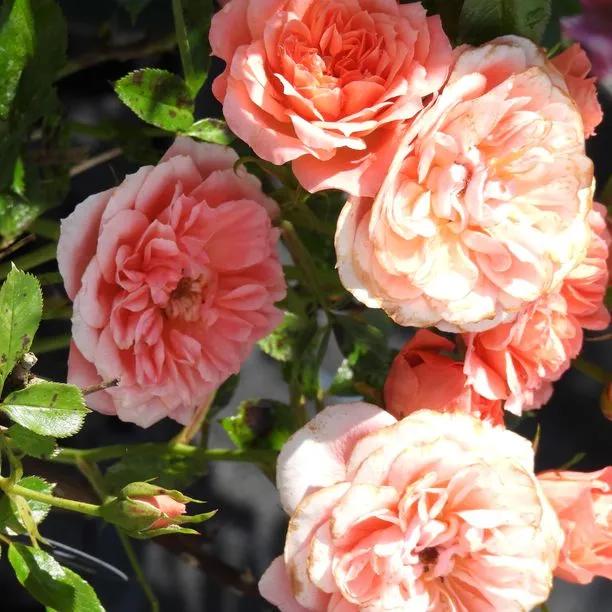
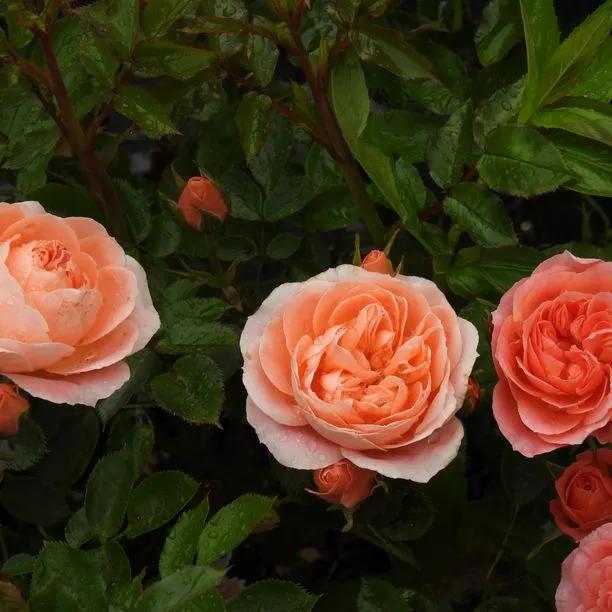
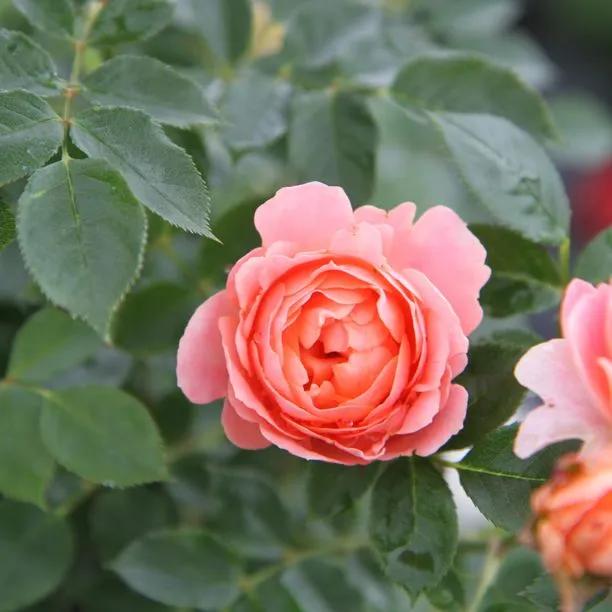


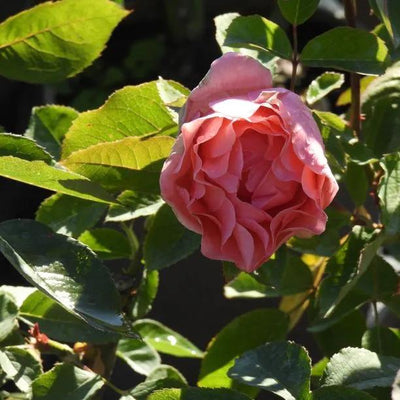
Sweet Dream is a patio rose with soft peach-apricot, small cupped double blooms in clusters, flowering June to October. Compact, repeat-flowering, and glossy-foliaged, it's one of the most popular patio roses ever introduced and winner of the Rose of the Year award in 1988.
When Fryer's of Liverpool bred Sweet Dream in 1988, they created something genuinely special. This patio rose took the Rose of the Year award that same year, and nearly four decades on, it remains one of the most beloved compact roses in British gardens. There's a reason for that: Sweet Dream delivers consistent, charming peach-apricot flowers from early summer through to the first hard frost, requires minimal fuss, and grows to a neat 50cm (1.5ft), making it perfect for gardeners with modest space or big ambitions in small pots.
The flowers are small, cupped, and fully double, opening in tight clusters that create real visual impact without looking fussy or artificial. Each bloom carries a slight sweet fragrance, and the glossy, healthy foliage stays remarkably clean throughout the season. This isn't a rose that sulks, demands constant spraying, or disappears when weather turns damp. It's a workable, dependable plant that actually performs in real gardens, not just on nursery benches.
The versatility is what seals it. Plant Sweet Dream in a border where its compact habit makes colour layering easy. Tuck it into a terracotta pot on a sunny patio. Line a windowbox with three or four plants and enjoy repeat flowering from June through to autumn. It works everywhere because it's never aggressive, never spiky, and never so large that you're fighting it back each year.
That soft peach-apricot tone sits beautifully in the orange family without tipping into the brassy side that puts many gardeners off. It partners well with cream, soft yellows, cool purples, and silvery foliage, and it mingles happily with warm terracottas if you want a hotter border. The double, cup-shaped flowers are small enough to feel delicate but appear in sufficient quantity that the plant reads as a solid block of colour from a distance. In containers, this matters enormously: Sweet Dream will bulk up and flower continuously without becoming lanky or bare-bottomed.
As a patio rose, Sweet Dream is forgiving. It needs six hours of sunlight daily and free-draining soil to perform at its best, but it's less fussy about position than larger hybrid teas. Feed with a balanced rose feed in April and again in July, deadhead spent clusters regularly to encourage more flowers, and prune lightly in spring to maintain shape. In containers, repot every other year into fresh compost and feed more frequently during the growing season.
Sweet Dream shines alongside lavender, which echoes its soft colouring while adding textural contrast. In pots, partner it with trailing silver-foliaged perennials like senecio or helichrysum. For borders, combine with allium for height and structure, or soft-coloured clematis growing through a nearby support. Consider other floribunda and patio roses in complementary shades for massed effect.
Our Sweet Dream roses are budded onto vigorous rootstock and grown for us by specialist UK growers. We're award-winners ourselves: Which? Gardening Best Plant Supplier and Feefo Platinum Trusted Service Award holders. Order with confidence. Browse our full rose collection here.
Sweet Dream reaches 50cm (1.5ft) tall and spreads to roughly the same width, making it ideal for containers, borders, and windowboxes. It's a true patio rose, not a miniature.
No, it flowers June to October (repeat-flowering throughout this period). In mild autumns, you may get blooms into November. Hard frost will stop flowering.
Yes. Use a pot at least 45cm diameter with free-draining compost. Feed regularly and repot every two years. Deadhead spent flowers to encourage more blooms throughout summer and autumn.
It has a slight sweet fragrance, not strong. If powerful scent is essential, consider our scented rose collection for more fragrant alternatives.
Prune lightly in early spring to maintain compact shape and remove dead wood. Learn more in our rose pruning guide.


 Sign In
 Saved items