

Sold as:

from £10.95

Sold as:
from £19.99
 5 Star Service Rating




 Secure, One-Tap Checkout
 5 Star Feefo Rating
 Hand Picked, Delivered to Your Door!
 1 Year Bareroot Guarantee
 Platinum Trusted Service Award 2026
 Mail Order Plant Experts - Est. 1949
 1 Year Bulb Guarantee
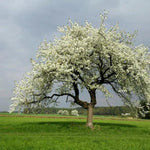
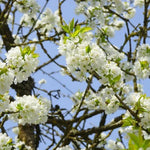
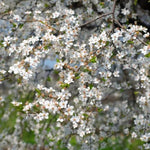
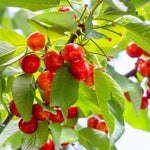
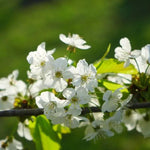



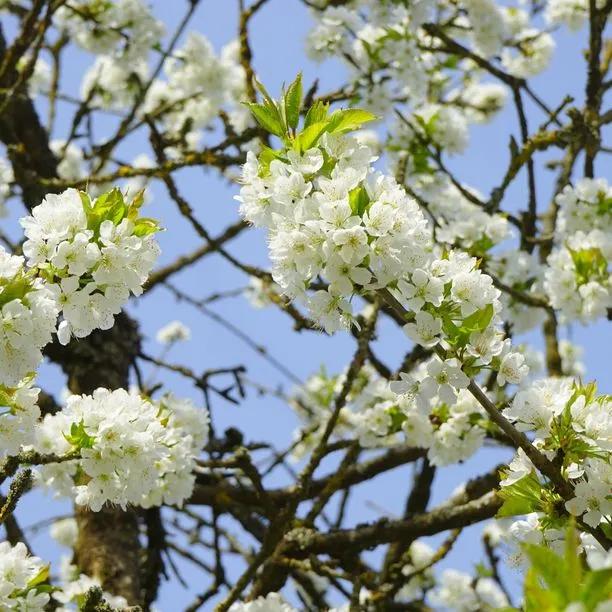
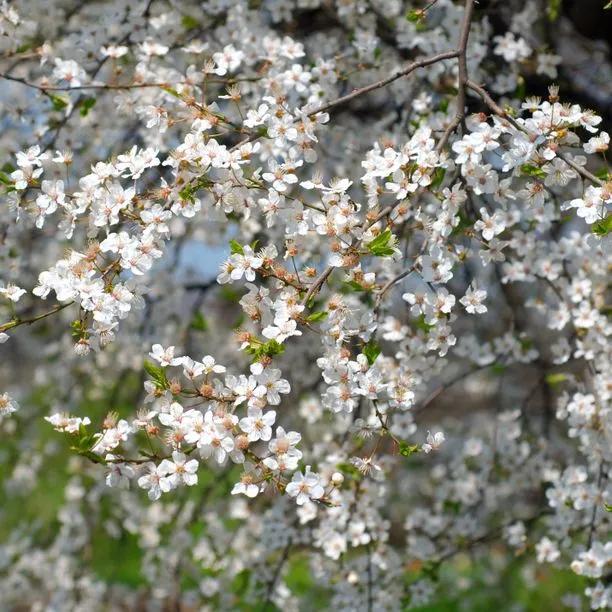
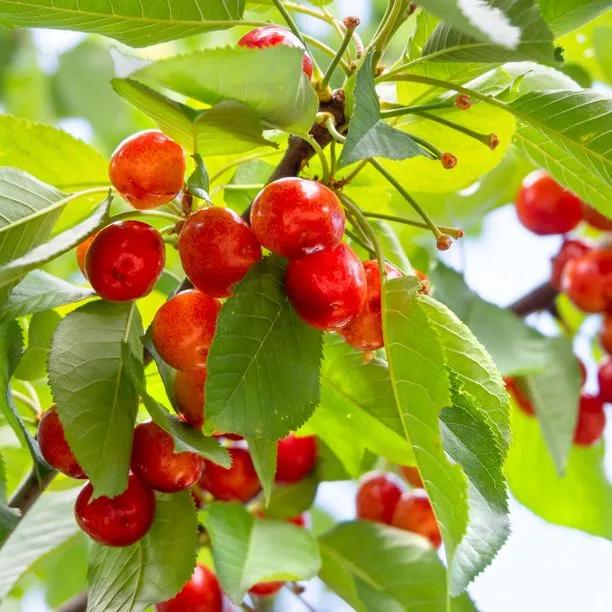
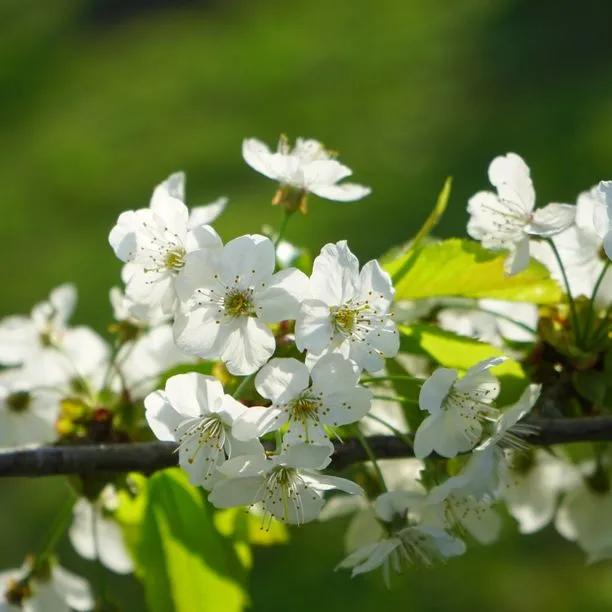




Wild Cherry or Gean, Prunus avium, is a large, spreading native tree of more than 12m with pure white blossom in late spring, small red-purple cherries and orange and red autumn leaves. It grows on any moderately fertile soil, chalk included, in full sun, and it is the species from which the sweet cherries were bred.
Wild Cherry trees are large native plants with white blossom in spring and edible fruit. It has profuse white flowers in late spring, appearing at the same time as the young green and bronze leaves. The Autumn colour is orange and red.
Prunus avium is a tall, wide spreading tree with a suckering habit that can reach a height of about 20-25 metres.
Browse our other varieties of wild and ornamental cherry blossom trees, edible cherry trees, or all our fruit trees.
Delivery season: Wild cherry trees are delivered bareroot from late autumn to early spring, November to April.
Choosing a size: Small trees are cheaper, easier to handle and more forgiving of less than ideal aftercare, so they're best for a big planting project. If instant impact is your priority, or if you are only buying a few plants for use in a place where it's convenient to water them well in their first year, then you may as well use bigger ones. All our bareroot trees are measured by their height in centimetres above the ground (the roots aren't measured).
Suitable for any decently drained soil, in the wild they thrive most on alkaline, sandy sites in full sun. It's highly tolerant of pollution.
Always prune cherry and plum trees in late summer if possible.
Modern sweet cherries were bred from this tree's ancestors. Avium typically means birds in Latin, but it also refers to wild places; the Bird Cherry is Prunus padus.
It is a short-lived tree that typically goes into decline by the time it is 70 years old.
Common names include gean (in Scotland), crab cherry, hagberry and mazzard, and merry tree.
Standard trees are measured by their girth in centimetres 1 metre above ground level: their trunk's waist measurement. Unlike sapling trees and hedge plants, standards aren't measured by their height, which will vary quite a bit both between and within species.
So, a 6/8cm standard tree has a trunk with a circumference of 6-8cm and an 8/10 standard has a trunk 8-10cm around. This measurement makes no difference to the tree's final height.
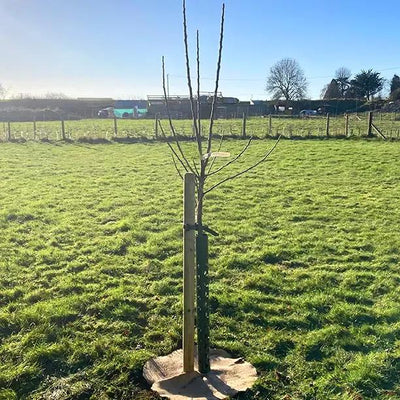
On average, standard trees are 2-3.5 metres tall when they arrive, but we cannot tell you precisely how tall your trees will be before we deliver them.
For a new wood or a long hedge line, wild cherry goes in by the dozen as wild cherry saplings; as a specimen, one standard is plenty. Its natural company is the other native trees that flower white and fruit for the birds, the rowans and whitebeams. There are more under native British trees and trees for wildlife. Dust the roots with Rootgrow as you plant.
Ashridge Nurseries was established in 1949 and holds the Feefo Platinum Trusted Service Award. Your wild cherry comes as a bareroot standard, which like for like is larger, stronger and better value than a potted tree. It is guaranteed for 12 months.
In July or August, never in winter. Cherries and plums are pruned in full growth, when cuts seal fastest. A standard needs little: take out dead, damaged or crossing wood and leave the rest.
Yes. They are small, shiny and red-purple, and many cultivated cherries were bred from this species. Expect more stone than flesh, and expect the birds to get there first.
More than 12m tall and 8m wide, and it takes 20 to 50 years to get there. It is a tree for a field corner, a wood or a big garden, not for planting near the house.
Yes. It grows on chalk, clay, loam and sand, at any pH. What it asks for is full sun and moderately fertile ground that drains.
Wild cherry, Prunus avium, flowers in nodding clusters and bears red-purple cherries. Bird cherry, Prunus padus, flowers in May in hanging spikes called racemes. Both are native.
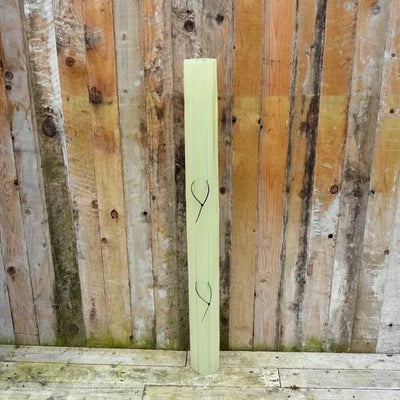
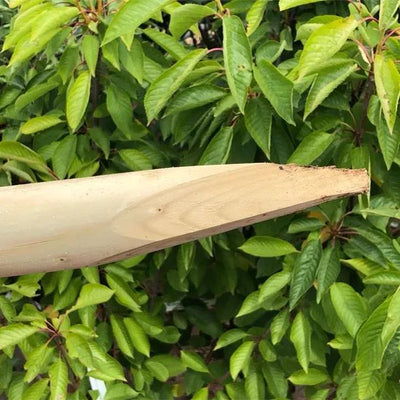
Yes, for its first two years, with the stake driven in before the tree is planted. Check the tie every spring and slacken it as the trunk fills out.




 Sign In
 Saved items