


Sold as:

from £10.95

Sold as:
from £19.99
 5 Star Service Rating




 Secure, One-Tap Checkout
 5 Star Feefo Rating
 Hand Picked, Delivered to Your Door!1 Year Bareroot Guarantee
 Platinum Trusted Service Award 2026
 Mail Order Plant Experts - Est. 1949
 1 Year Bulb Guarantee
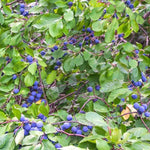
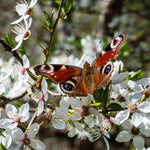
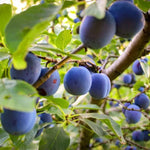




Wild Plum is a bushy, twiggy country hedging plant with white blossom in early spring and edible plums in late summer or early autumn. It grows on any fertile soil that is not very wet, crops best as a tall hedge that is not trimmed every year, and is on the RHS Plants for Pollinators list.
The Wild Plum tree, Prunus domestica, makes a good country hedging plant.
Wild Plum will reach about 10 metres if it grows freely as a tree.
Browse our fruiting plum trees if you want to get a crop of proper plums. Alternatively, see our selection of native hedging plants or view our full range of hedging.
Wild Plum hedge plants are only delivered bareroot, during winter (Nov-April).
All our hedge plants are measured by their height in centimetres above the ground (the roots aren't measured).
Plant Wild Plum hedging at 3 plants per metre, 33cm apart.
These bushy trees make ideal country hedging on any fertile soil, planted at the standard hedging rate of 3 per metre.
Clay soil is good except in very wet places.
Their fruit's edible raw or cooked and they can be planted as ground cover, one metre apart, to feed and shelter game animals and wildlife each year. These wild plums are also called bullace or Prunus communis.
They're popular in the countryside when they're planted as a tall hedge, which isn't trimmed every year and produces lots of wild plums.
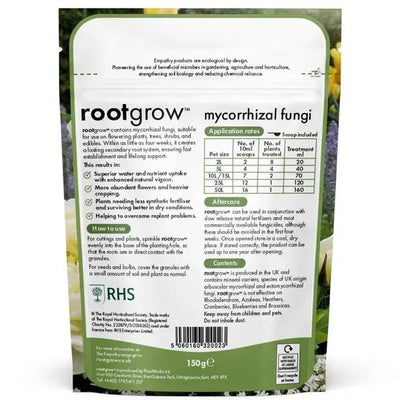
Wild Plum is one of the five plants in our Edible Hedge pack. You can build your own from the other four: Blackthorn for Sloes, Hazel, Crab Apple and Wild Pear. Dust the roots with Rootgrow as you plant.
Hedging is not a sideline here: your Wild Plum is grown for us as hedging by specialist growers. Bareroot plants are lifted to order while dormant and guaranteed for 12 months. Ashridge has sold plants since 1949 and is a Which? Best Plant Supplier 2025.
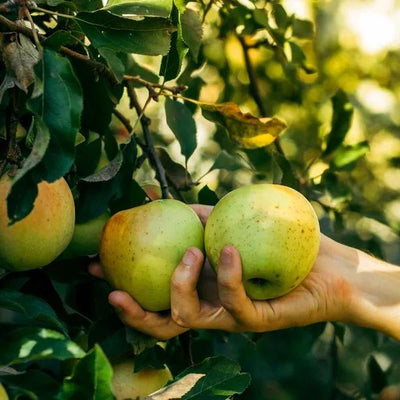
Yes, raw or cooked. The fruit of the species are plums with golden or greenish-yellow flesh, ripening in late summer or early autumn.
Grow it tall and do not trim it every year. That is how it is grown in the countryside, and a hedge left like that produces lots of Wild Plums.
At 3 plants per metre, 33cm apart, for a hedge. For game cover, plant them one metre apart in a block.
In summer, never in winter. Plums take in silver leaf through winter cuts, so leave the hedge alone until the plants are in full leaf.
Any fertile soil. Clay is good unless the ground is very wet. It needs full sun and moist but well-drained soil.
We give it about 10 metres as a free-growing tree. As a hedge, you decide the height, and a tall one is the most productive.
Bareroot only, from November to April, while the plants are dormant. You can order at any time of year and your plants are lifted and sent once the season opens.




 Sign In
 Saved items