Apple Pollination Group E: Late Season Flowering Varieties

We're deep into the tail end of blossom season here — Group E flowers later than Group D, though it still beats the h...
Filter & Sort:

4 Results

Filter & Sort

Chevron
4 Results
Chevron
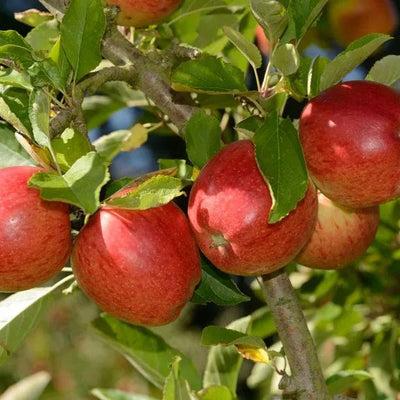
Braeburn Apples on the treeBraeburn Apples on the tree
Braeburn Apple Trees
Malus domestica Braeburn
Sold as:
Bareroot
from £19.99
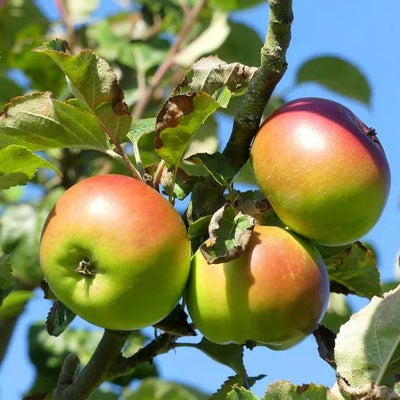
Browns Apples on the tree
Browns Cider Apple Trees
Malus domestica Browns
Sold as:
Bareroot
from £19.99
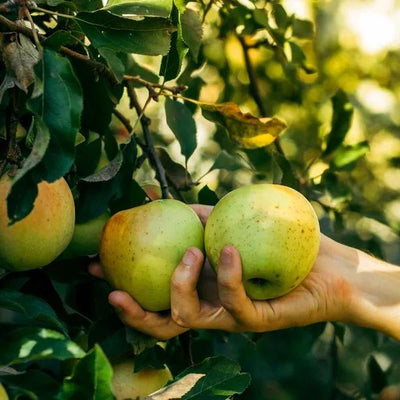
Annie Elizabeth Apples on the treeMature Annie Elizabeth Apple Tree
Annie Elizabeth Apple Trees
Malus domestica Annie Elizabeth
Sold as:
Bareroot
Potted
from £19.99
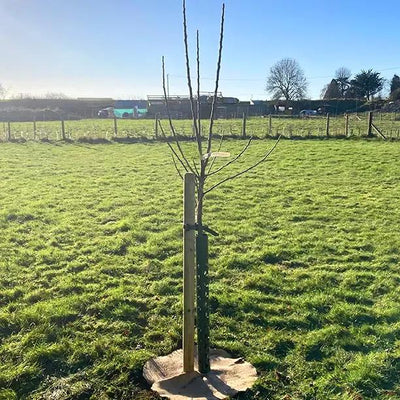
Orleans Reinette Apples on the treeBareroot Orleans Reinette Maiden Apple
Orleans Reinette Apple Trees
Malus domestica Orleans Reinette
Sold as:
Bareroot
Potted
from £19.99

About Apple Pollination Group E: Late Season Flowering Varieties

How apple pollination actually works

Here's the thing to know before you plant: most apple trees can't fertilise themselves. Each one needs pollen from a different variety, carried over by visiting bees, with both trees in blossom at the same time. That's why every variety gets sorted into a flowering group based on roughly when it blooms — pick a partner from the same group, or the one next door, and you've got the overlap sorted.

Varieties in Group E

This group brings together some proper favourites — Braeburn is probably the best known of the bunch, alongside Annie Elizabeth, Orleans Reinette, Red Pixie and other late bloomers. Everything shown below flowers in this window and will happily cross-pollinate.

Need a partner outside Group E?

Group D's flowering window overlaps with Group E's, so those varieties will cross-pollinate with your Group E trees too. Our full pollination guide covers compatibility across every group — including the small but mighty Groups F, G and H, right at the very end of the season.