

Out of Stock
Sold as:

from £6.99

Sold as:
from £19.99
 5 Star Service Rating




 Secure, One-Tap Checkout
 5 Star Feefo Rating
 Hand Picked, Delivered to Your Door!
 1 Year Bareroot Guarantee
 Platinum Trusted Service Award 2026
 Mail Order Plant Experts - Est. 1949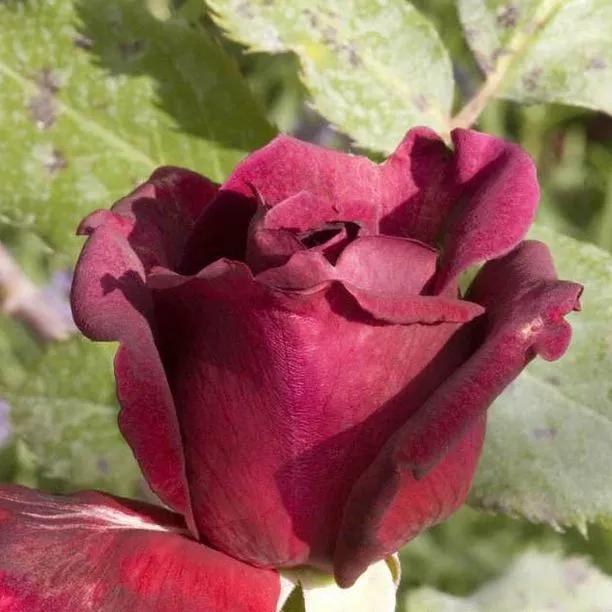

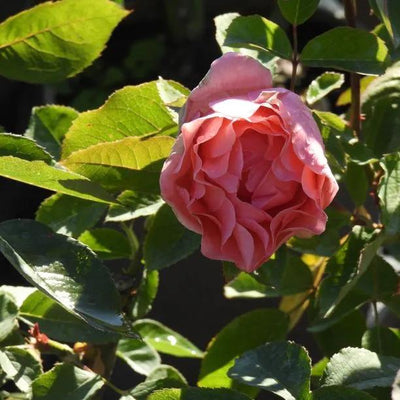
Guinée is a darkest blackish-crimson climbing rose with large, velvety double blooms and strong, rich fragrance. Bred in France in 1938, it remains one of the darkest roses in cultivation and a true collector's specimen with exceptional character and presence.
If you want a climbing rose that stops people in their tracks, Guinée is it. The colour is almost unbelievable until you see it in person: a blackish-crimson so deep and dark that in certain light the flowers appear almost black. There is literally nothing else like it among climbing roses. Each bloom is large, fully double, and densely petalled, with a velvety texture that enhances the dramatic colouring.
This is not a modern rose bred for easy garden life. Guinée was created by Mallerin in France in 1938 and carries that vintage character throughout. It is a collector's rose, a rose for the gardener who wants something with real presence and story. The fragrance is strong and classically rosy, not a modern candy note but something rich and old-fashioned that matches the flower's personality perfectly.
Height reaches 500cm (16ft) given a sheltered position and good soil. It flowers in one main, generous flush in June and July, with occasional repeats later in the season if conditions suit. The one main flush means you get weeks of spectacular dark blooms all at once, rather than scattered flowers through summer. Plant it where you can really see it, and where it has a warm, sheltered wall to lean against.
Guinée performs best on a south or west-facing wall where it receives full sun to part shade. A sheltered position is important because the vine benefits from warmth and protection from cold winds. Good soil, well-draining and moderately fertile, is essential. Plant it away from the base of the wall itself, where soil tends to be dry, and water well during establishment and flowering. Mulch around the base to retain moisture and keep roots cool.
Pruning is straightforward: train the main canes horizontally along wires or a frame to encourage flowering shoots, and tie in new growth in summer. In winter or early spring, cut back side shoots to two or three buds and remove any dead, crossing, or weak canes. The framework of mature Guinée should be left largely untouched once established, as the magic comes from the older wood flowering freely.
Guinée was raised by Mallerin, a legendary French rose breeder, during a period when roses were selected first for beauty and fragrance, second for ease. It has never been a commercial blockbuster, which is exactly why gardeners seek it out. The flowers are susceptible to rain damage due to their double form, so a sheltered, covered position protects them during wet weather. In a dry summer, this rose shines brilliantly. The dark colouring also means the blooms show best against pale stone or rendered walls, or against green foliage.
Pair Guinée with soft foliage and pale flowers to let the dark blooms stand out. Plant lavender or catmint at the base, or train a pale clematis through the rose stems to flower after June. Silver-leaved shrubs like artemisia or senecio beside the wall create stunning contrast. For a sophisticated scheme, underplant with white or cream perennials and add structural interest with ornamental alliums. Consider other climbing roses nearby only if you have plenty of wall space, as Guinée commands attention and benefits from space to be itself.
We work with specialist growers to supply vigorous, healthy climbing roses budded onto strong rootstock. Guinée is a rarer variety and we've established it because we believe in unusual garden-worthy specimens. Award winners, trusted since 1949. Browse our complete climbing roses collection.
No, it's a very deep blackish-crimson that appears almost black in certain light, especially in photographs. The exact tone varies with weather and light conditions, but it is genuinely the darkest climbing rose in common cultivation.
No. Guinée has one main flush in June and July, with occasional repeat flowers later if conditions are ideal. It is not a continuous flowering rose. Plan accordingly in your garden design.
It reaches 500cm (16ft) in a sheltered position with good soil and support. Growth is vigorous but not manic. Allow five to seven years for it to reach full height.
Climbing roses prefer open ground, but Guinée can be container-grown if you use a large pot (at least 45 litres), rich soil, and consistent watering. Results are less vigorous than in the border.
Guinée has no documented disease resistance. In wet summers, powdery mildew can appear. Good air circulation, sheltered siting, and avoiding overhead watering help prevent problems. See our climbing rose growing guide for more.


 Sign In
 Saved items