



Sold as:

from £10.95

Sold as:
from £19.99
 5 Star Service Rating




 Secure, One-Tap Checkout
 5 Star Feefo Rating
 Hand Picked, Delivered to Your Door!1 Year Bareroot Guarantee
 Platinum Trusted Service Award 2026
 Mail Order Plant Experts - Est. 1949
 1 Year Bulb Guarantee
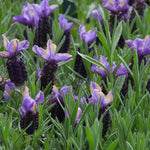
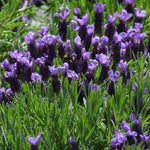
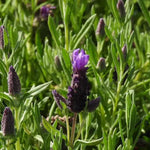
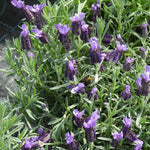

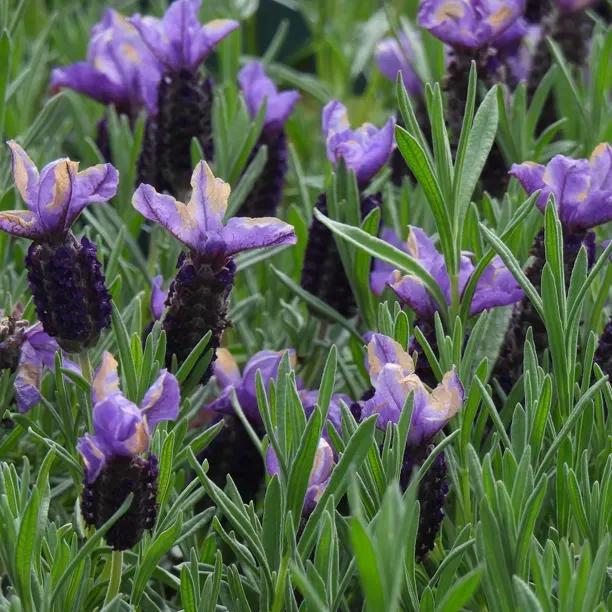
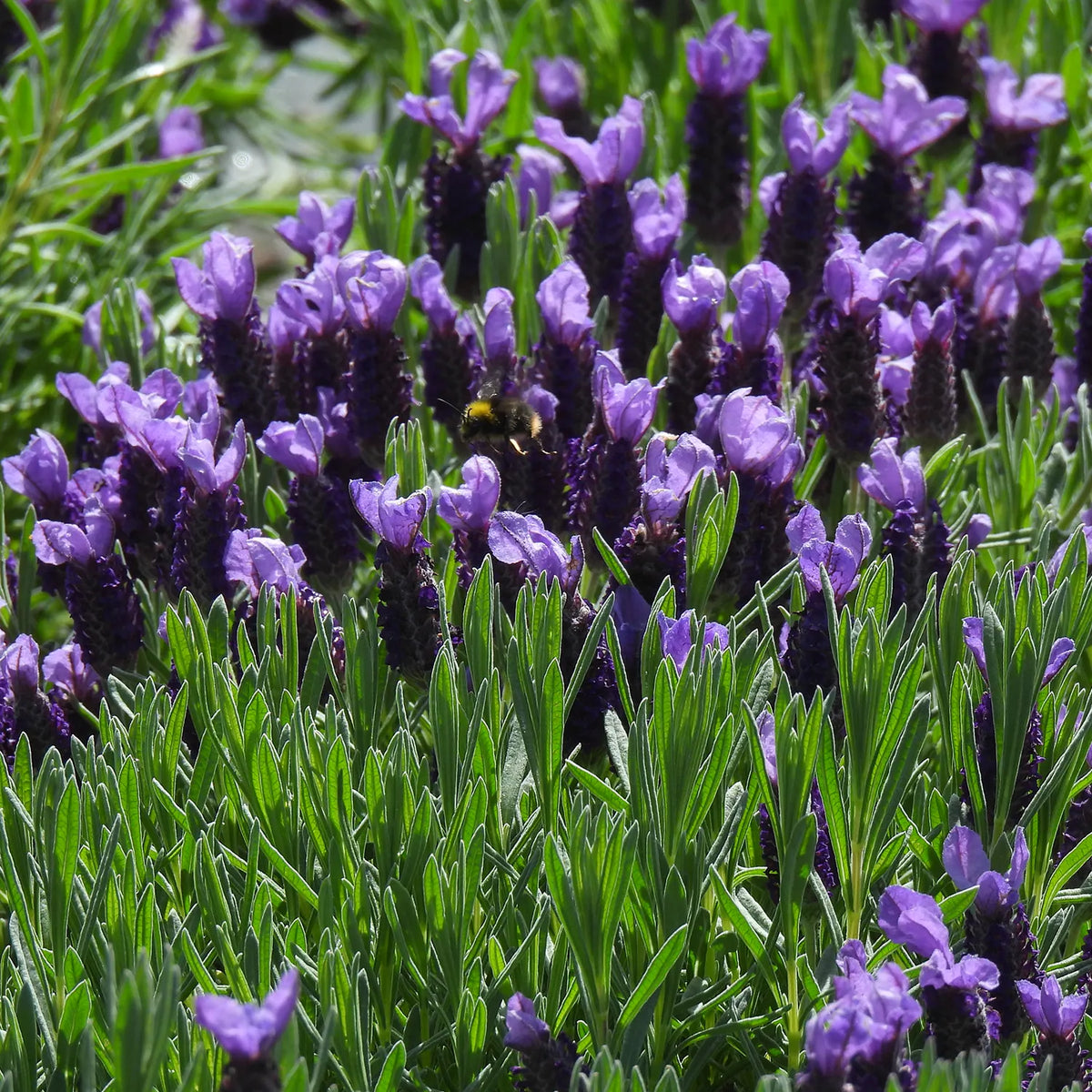
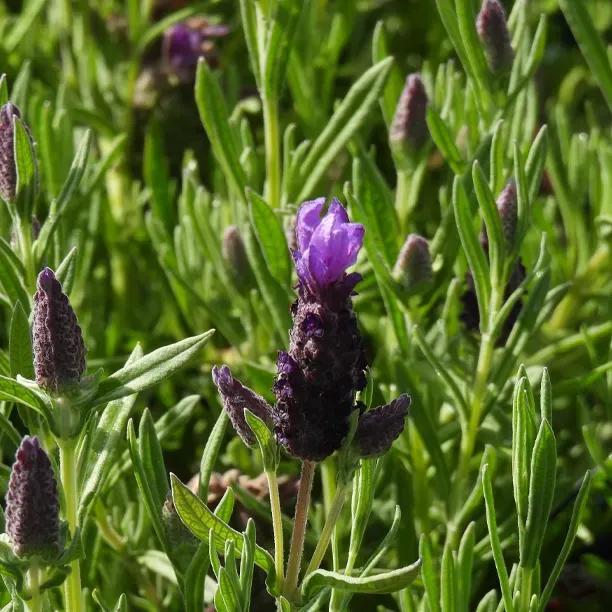
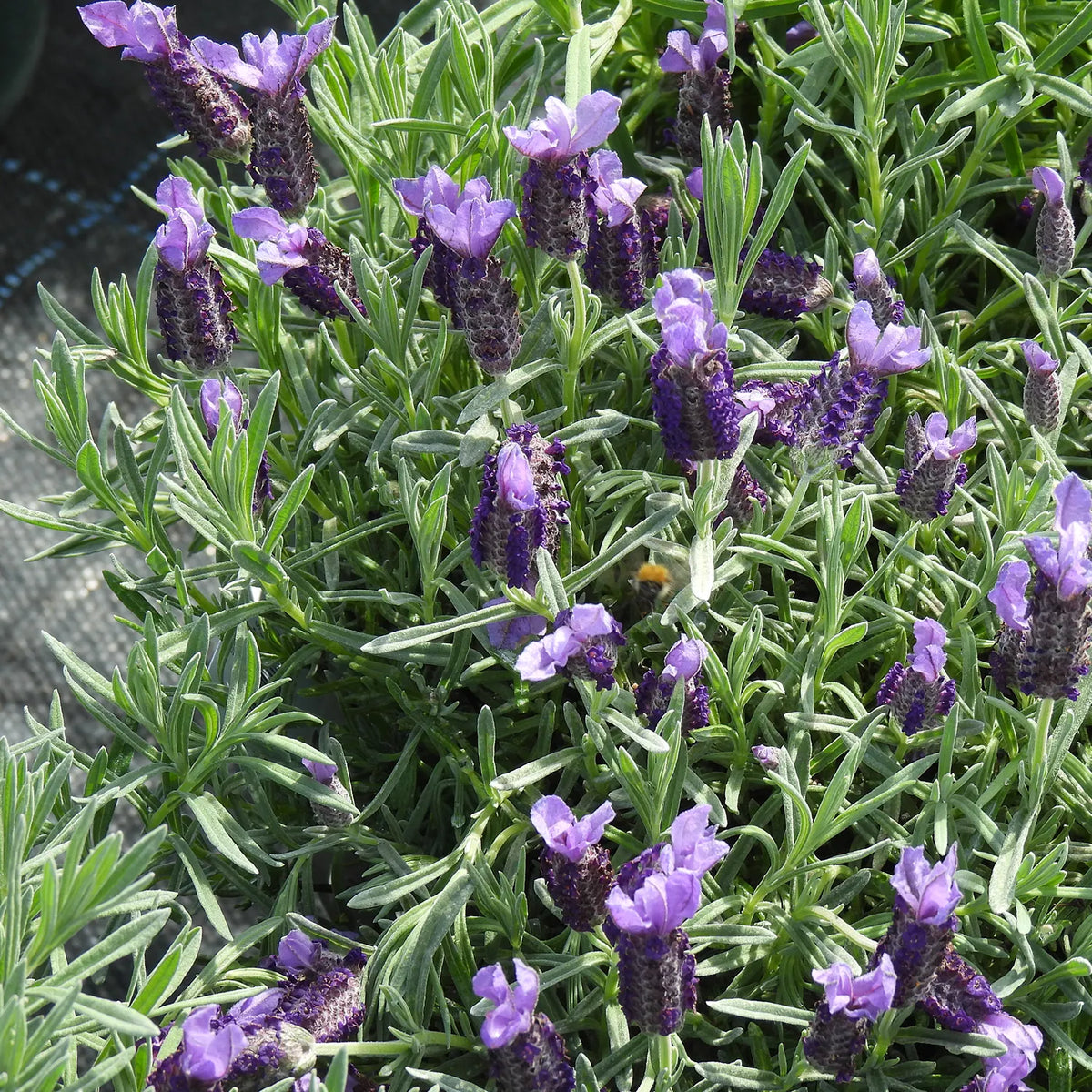




French lavenders look nothing like the tidy purple hedges most people picture when they hear the word "lavender." The flowers sit in fat, pine-cone-shaped heads topped with flamboyant petal-like bracts — the "ears" or "wings" that give butterfly lavenders their common name. Provençal takes this further than most stoechas varieties, with larger, more vivid flower heads in a deep purple and prominent pink-violet ears that flutter in the slightest breeze. The overall effect is closer to a Mediterranean wildflower than to a clipped English border plant, and the flowering season is astonishingly long. While Hidcote gives you three or four concentrated weeks of colour in June and July, Provençal can keep producing new flower heads from May right through to September if you deadhead regularly.
The catch — and we are always honest about this — is hardiness. French lavenders evolved around the western Mediterranean, from Portugal through to Turkey, and they are not built for a Shropshire winter. In a sheltered, south-facing border with sharp drainage, Provençal will usually survive winters in the southern half of England and along the west coast where frost is lighter. North of about Birmingham, or on clay soil that stays wet through winter, it is better treated as a patio plant that comes indoors (a cold greenhouse, a porch, an unheated conservatory) from November to April. We lose one or two in the nursery here in Somerset in a bad winter, and we have better drainage than most people.
The real selling point of Provençal is the length of its flowering season. English lavenders peak for a few glorious weeks, and even the Lavandins like Grosso only manage about a month. French lavenders flower in waves. Provençal starts in late May in a warm year, produces its main flush through June and July, and then — provided you snip off the spent heads — pushes out a second and sometimes third flush well into September. That is a lot of colour from a single plant. Bees and other pollinators notice too. The flower heads are rich in nectar and you will typically see bumble bees working them from the moment they open.
The scent is different from English lavender. There is no getting around that. Where Munstead smells sweet and floral — the classic lavender-bag scent — Provençal has a warm, camphor-and-pine character. Some people love it. Some find it a bit medicinal. Mrs Ashridge describes it as "what a lavender field would smell like if it were growing through a pine forest," and that is about right. It is wonderful in the garden, where it mixes with warm air and other scents, but not one for the kitchen.
A terracotta pot on a sunny terrace with Provençal spilling over one side and rosemary in a neighbouring pot is about as close to the south of France as most of us will get in a British garden. In a border, the grey-green foliage and purple flowers work beautifully alongside silver-leaved plants — Artemisia 'Powis Castle', Stachys byzantina, and Santolina all thrive in the same dry, sunny conditions that Provençal demands. Ornamental grasses like Stipa tenuissima add movement alongside the stiff flower heads. Plant Lusi Purple, the compact pedunculata lavender, in front for a stepped display of butterfly lavender at different heights. Erigeron karvinskianus (Mexican fleabane) tumbling over a path edge in front of Provençal is one of those combinations that looks effortless and actually is.
Provençal is grown here in the UK and dispatched when conditions are right for planting — not before. We deliver by next-day courier, every plant is guaranteed, and we have real people in the office here in Somerset who can help with planting advice. Browse our full lavender collection or see all our French butterfly lavenders specifically. We are a Feefo Platinum Trusted Service winner — earned from actual customer reviews, not from us reviewing ourselves.
Our blog on growing lavender covers the basics for all types. Here are the questions we hear most about Provençal.
They are different species, and they behave differently in the garden. English lavender (Lavandula angustifolia) is fully hardy throughout the UK, has a sweet floral scent, compact growth, and flowers for three to four weeks in summer. French lavender (Lavandula stoechas) is only borderline hardy, has those distinctive "eared" flower heads, a resinous rather than sweet scent, and flowers for much longer — often May to September. English varieties are better for hedging, cooking, and reliability. French varieties are better for extended colour, patio pots, and looking like something you would find on holiday. Both attract pollinators. The trade-off is always hardiness.
Absolutely — and in many parts of the UK, a pot is actually the best option. Growing Provençal in a container (at least 30cm across, with drainage holes and a gritty, free-draining compost) means you can move it under cover for winter. Use a mix of about two thirds peat-free compost and one third horticultural grit or perlite. Water when the top couple of centimetres of compost are dry, and do not let it sit in a saucer of water. A sunny, sheltered patio is ideal. The plant will be perfectly happy in a pot for several years.
Lavender oil does have some insect-repellent properties — that much is backed by research. Whether a living plant in the garden actually keeps mosquitoes at bay is less certain. The concentration of volatile oils released by an undisturbed plant is lower than what you get from a crushed leaf or essential oil. Brushing past Provençal on a warm evening will release more scent and may help a bit, but we would not rely on it as your only line of defence. Citronella candles are probably doing more of the heavy lifting at your barbecue.
Regular pruning is the answer, and the timing matters. After the main flowering flush — usually late July or August for French lavenders — trim back the spent flower stems and about a third of the current season's soft green growth. The key rule: never cut back into old brown wood. Lavender cannot regenerate from bare stems the way, say, a rose can. A plant that has been left unpruned for years and become leggy and woody is, honestly, past saving. Start a new one and prune it every year from the beginning. Our pruning guide has a quick video showing where to cut.
In the garden, lavender is generally considered safe around pets. The ASPCA lists lavender as mildly toxic to cats and dogs if eaten in large quantities, but in practice, most animals leave it alone — the strong scent puts them off. Concentrated lavender essential oil is a different matter and should be kept away from cats especially, as they cannot metabolise certain compounds in it. A Provençal plant growing in a pot on the patio is extremely unlikely to cause any trouble. If your dog is the sort that eats everything regardless, you probably have bigger problems than lavender.


 Sign In
 Saved items