

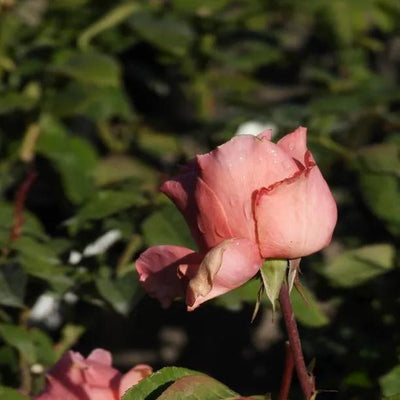
Sold as:

from £6.99
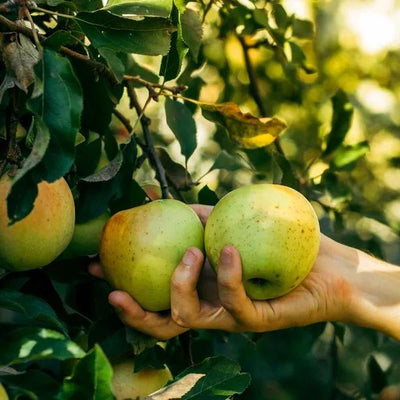
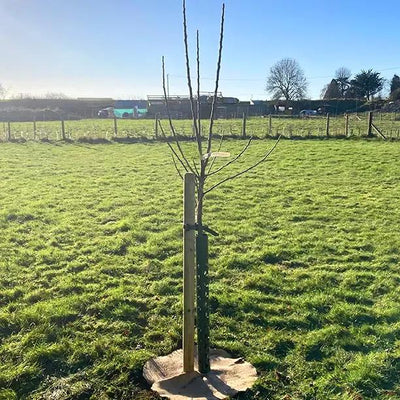

Sold as:
from £19.99
 5 Star Service Rating




 Secure, One-Tap Checkout
 5 Star Feefo Rating
 Hand Picked, Delivered to Your Door!
 1 Year Bareroot Guarantee
 Platinum Trusted Service Award 2026
 Mail Order Plant Experts - Est. 1949
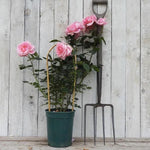

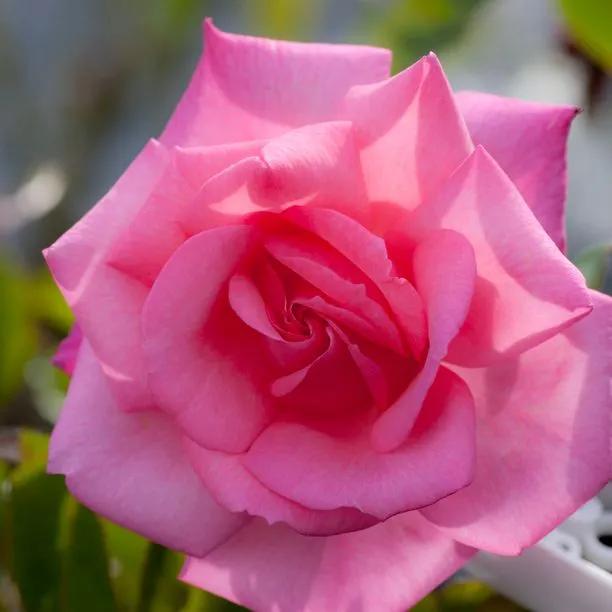
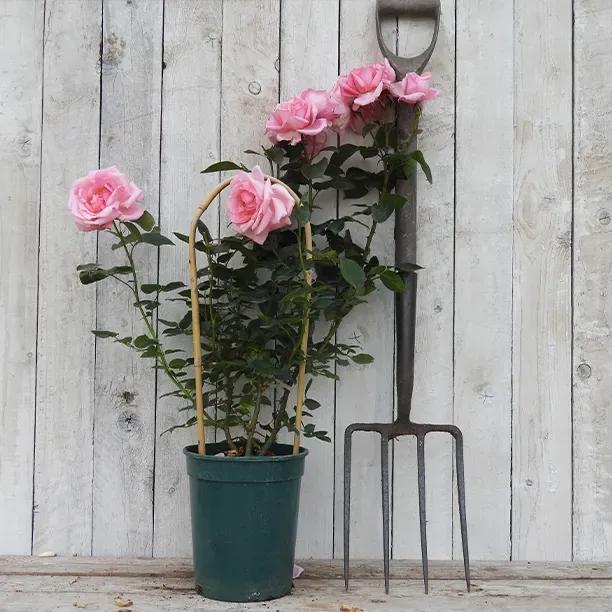
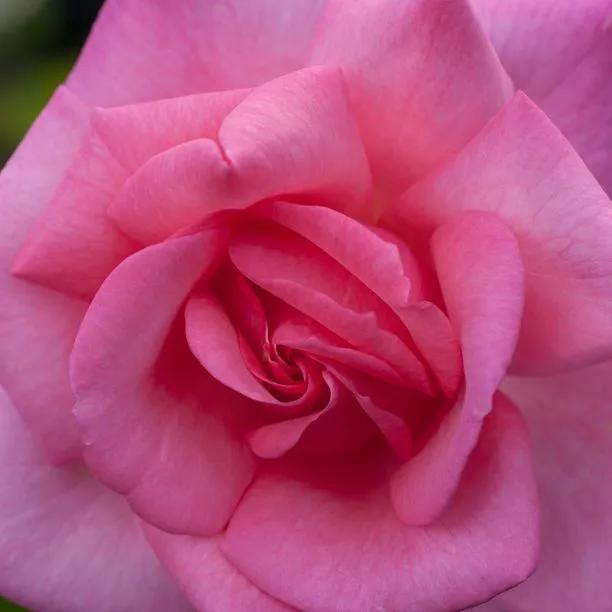





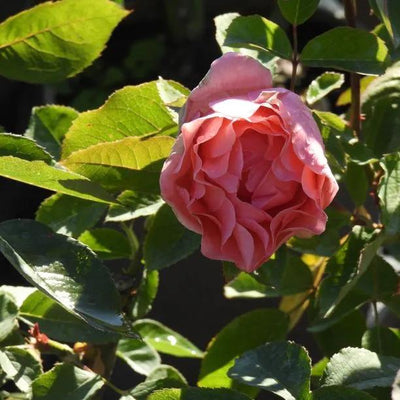
Dancing Queen is a vigorous climbing rose with large, ruffled double blooms in warm rose-pink to pale salmon. It flowers continuously from June through October and carries a moderate, sweet fragrance. A dependable choice for walls, fences, pergolas and substantial structures where height and long-season colour matter.
Dancing Queen earns its musical name through the sheer joy of its ruffled pink blooms appearing reliably across six months of the growing season. The flowers open in warm rose-pink and soften toward pale salmon as they age, creating a gentle colour progression that stops short of pink cliché. Each bloom is substantial and fully double, with a quartered form that rewards close inspection. The sweet fragrance is moderate in strength but present enough to notice on still mornings.
This is a vigorous climber bred for performance on vertical surfaces. It will comfortably reach 300cm (10ft) or more given time and good cultivation, making it ideal for tall fences, pergolas, pillars and the side walls of buildings. The stems are pliable enough to train horizontally (which encourages more flowering), yet strong enough to support themselves on sturdy structures. Plant one on a west or south-facing wall where it can bask in afternoon warmth, and you will see blooms from June until the first hard frost.
What sets Dancing Queen apart is its willingness to repeat flower without fussy deadheading or elaborate pruning regimes. Feed well in spring, mulch in April, and let it do what it has been bred to do. The foliage is healthy and dense, clothing the frame as it should.
Position Dancing Queen where it receives a minimum of four hours of direct sun daily. Morning light to part-shade positions work too, though flowering will be lighter in deeper shade. Allow 60cm between the base of the climbing rose and the wall or fence itself, to ensure air circulation and reduce the risk of fungal issues.
Tie in young stems as they grow, directing them horizontally or at a 45-degree angle where possible. This technique interrupts sap flow and encourages side shoots, which in turn produce more flowering points. A south-facing pergola suits this variety exceptionally well, as the warm pink blooms will stand out beautifully against the open sky. Mulch generously in spring with compost or aged manure, keeping material 10cm clear of the base of the plant.
Dancing Queen is a summer repeat-flowering climber, with the main flush beginning in June and successive waves following through to October if feeding is maintained. Deadhead faded flowers in July and August to encourage the next cycle. A light tidy-up in late January or February removes any damaged growth and keeps the plant within bounds, but hard pruning is neither necessary nor desirable for climbing roses.
The sweet fragrance intensifies in warm, still air, making this an excellent choice for enclosed courtyards or sheltered corners where you can really enjoy it. In cooler seasons, the scent may be less pronounced, but the colour of the blooms—often the most eye-catching aspect anyway—remains vibrant.
Plant Dancing Queen with soft supporting players to extend the season and deepen the colour scheme. Clematis varieties in pale blue or purple will weave through the rose stems and flower when the rose is between flushes. Lavender at the base adds silvery foliage and a different scent profile. Purple-leaved herbaceous perennials such as Salvia or hardy geraniums echo the rose's warmth underfoot. For soft yellow tones that harmonise with the salmon edge of the blooms, consider Allium (which flowers earlier in summer) or permanent plantings of golden-foliaged shrubs in nearby beds.
We have grown roses professionally since 1949 and work only with specialist growers who budgraft onto vigorous rootstock, ensuring long-lived, reliable plants. Our award-winning service has been recognised by Which? Gardening and Feefo. Browse our complete climbing rose collection here.
Dancing Queen reaches 300cm (10ft) or taller with time and good support. Growth rate depends on soil quality and sunlight. Lean it slightly to encourage branching. See our climbing rose guide for more.
Dancing Queen performs best in full sun to part shade (minimum four hours direct sun daily). It will flower in part shade but less abundantly. Afternoon warmth helps intensify colour and fragrance.
Prune lightly in late January or early February, removing dead or damaged wood and tying in new stems horizontally. Avoid heavy pruning; it will reduce flowering. Read our climbing rose pruning guide.
A potted plant will flower in its first year. Bare-root plants planted in November–March will establish over winter and produce flowers from June onwards. Patience with new growth pays off with fuller plants in year two and three.
Climbing roses are best in the ground where their root systems can expand. If you must use a pot, choose a minimum 60-litre container, water regularly, and feed fortnightly during the growing season. Ground planting is always preferable for vigorous climbers.


 Sign In
 Saved items