


Sold as:

from £10.95


Sold as:
from £19.99
 5 Star Service Rating




 Secure, One-Tap Checkout
 5 Star Feefo Rating
 Hand Picked, Delivered to Your Door!
 1 Year Bareroot Guarantee
 Platinum Trusted Service Award 2026
 Mail Order Plant Experts - Est. 1949
 1 Year Bulb Guarantee





Grey Willow is a large native shrub or small tree of bogs and riverbanks, grown for its silver-grey Pussy Willow catkins, which open before the leaves and feed early bees. It takes wetter ground than Goat Willow, coppices well, and belongs well away from drains.
Grey Pussy Willow, Salix cinerea, is a large native shrub or a small, stubby tree that is found in boggy ground and riversides across the country. Along with goat willow, Salix cinerea is often referred to as Pussy Willow because of its beautiful catkins. Before they ripen, they're covered in neat, silver-grey hairs that look equally lovely on the bare branches or in a vase... Salix cinerea can be coppiced and pollarded: it tends to form a fairly low tree anyway but if you want more upright growth, keep removing the lower side branches each year. Pussy Willows are the earliest to flower, providing a key source of early nectar and pollen to bees as they gear up for the year.
See our selection of willow hedging plants or view our full range of hedging.
Grey Pussy Willow plants are only delivered bareroot, during winter (Nov-April). All of our young trees and shrubs are measured by their height in centimetres above the ground (the roots aren't measured).
Common Names: Grey Willow, Pussy Willow, Grey Sallow
Grey willow is often planted along loose banks to stabilise the soil with its fibrous roots.
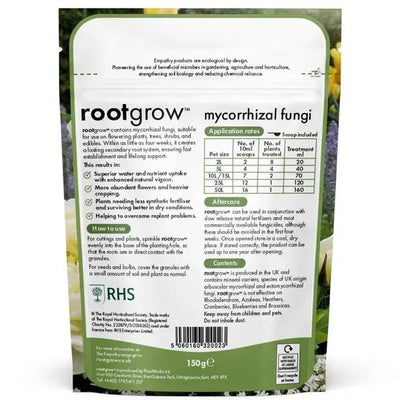
Its near twin is Goat Willow, which has the bigger catkins and prefers ordinary soil. On properly wet ground, plant Grey Willow with Common Osier and Common Alder. Before you choose the spot, read why Willows and drains do not mix: the young tree in that article is a Grey Willow. Dust bareroot roots with Rootgrow as you plant.
Hedging and young native trees are not a sideline here: your Grey Willow plants are grown for us by specialist growers. Bareroot plants are lifted to order while dormant and guaranteed for 12 months. Ashridge has sold plants since 1949 and is a Which? Best Plant Supplier 2025.
Grey Willow for wetter ground, and because it coppices well. Goat Willow for ordinary soil and the bigger catkins.
Both Grey Willow and Goat Willow are sold as Pussy Willow, after the soft, silver-grey catkins that open before the leaves.
It grows 4 to 8 metres tall and 2.5 to 4 metres wide in 5 to 10 years, and makes a large shrub of around 5 metres.
It is in pruning group 7. For the best show of catkins, cut it back every two or three years in March.
Willow roots seek water and will find a leak in an old pipe. Keep it at least 10 metres from drains, septic tanks, walls and foundations, and 15 metres is more comfortable.
Any deep, moist soil in full sun, and it is happiest in wet ground. Avoid shallow chalk.
Bareroot only, from November to April, while the plants are dormant. You can order at any time of year and your plants are lifted and sent once the season opens.




 Sign In
 Saved items