Sold as:

from £10.95

Sold as:
from £19.99
 5 Star Service Rating




 Secure, One-Tap Checkout
 5 Star Feefo Rating
 Hand Picked, Delivered to Your Door!
 1 Year Bareroot Guarantee
 Platinum Trusted Service Award 2026
 Mail Order Plant Experts - Est. 1949
 1 Year Bulb Guarantee
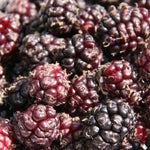
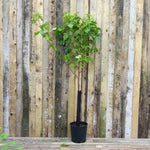
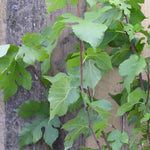
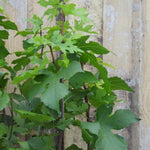

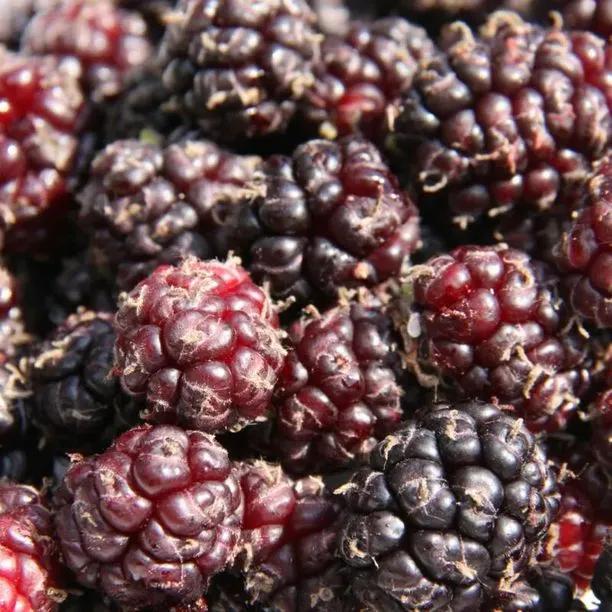
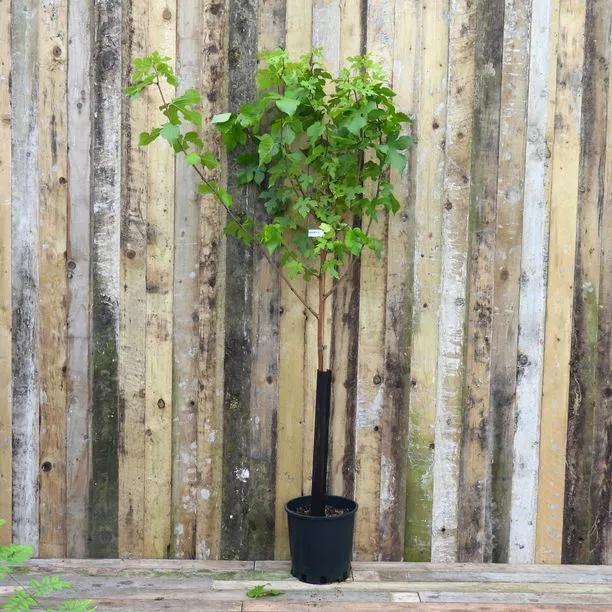
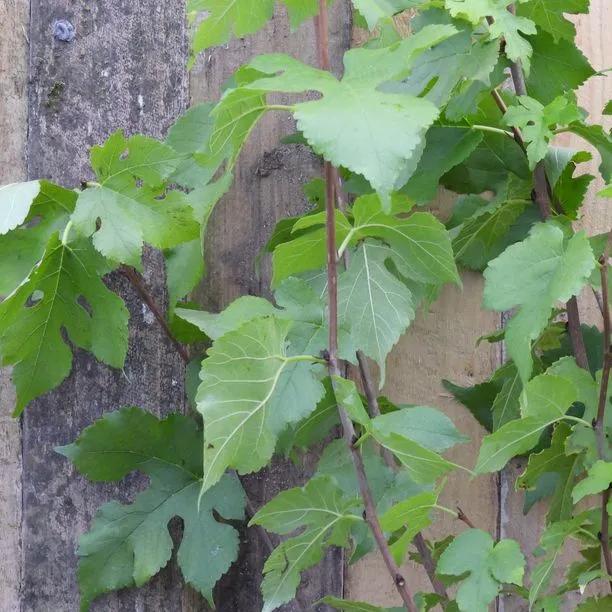
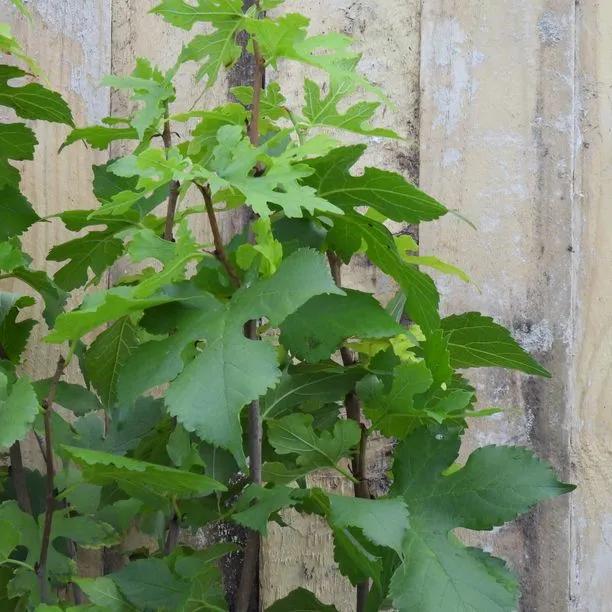




The King James or Chelsea Mulberry is a self-fertile Black Mulberry with the RHS Award of Garden Merit and large, dark red to black fruit in late summer. It grows slowly into a spreading tree 8 to 12 metres tall and wider than that, in fertile soil in full sun with shelter from cold winds.
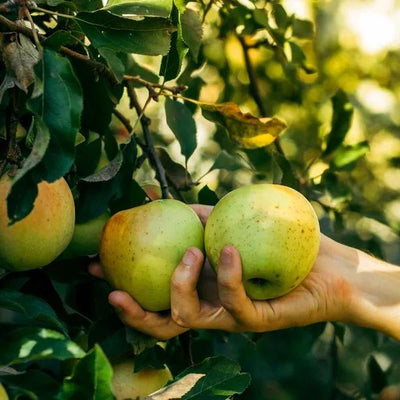
King James / Chelsea Mulberry is one of the most popular Mulberries, with large, dark red to black fruits that are full of tart and sweet flavour: superb eaten straight from the tree, and can also be used in jam and various other recipes. Chelsea is a self-fertile tree, cropping around August time.
The large, heart shaped leaves are lush green, turning mellow yellow in Autumn. The fluffy catkins in spring add to the ornamental value, and old trees develop lovely gnarly, twisting branches. Their maximum height is 8 to 12 metres, but that will take a fair few decades.
King James I Mulberry is very hardy and easy to grow in pretty much any well drained soil, but it needs full sun and shelter from prevailing winds, especially in the North and Scotland.
Mulberries have been grown in Britain since at least Roman times and, like so many valuable resources and technologies, were preserved by the Church, especially monasteries.
By the Elizabethan period, fresh mulberries were an essential part of an ostentatious feast, partly because they perish so quickly and don't travel well, so they couldn't be bought in for any price.
In 1607, King James I ordered the planting of 10,000 black mulberry trees to kickstart a British silk industry to compete with the French and Italian ones, but this never caught on, probably due to the climate (it also turns out that silkworms much prefer white mulberry trees).
Many of these old trees are alive and well today.
This excellent cultivar was planted in the Chelsea Physic Garden "by" King James I (obviously it was Barry the gardener who did all the actual work, but that isn't recorded in the history books, alas), and the original tree was in fine form until the Second World War, when it was felled to make way for an air raid shelter.
It's rumoured that the tree was really cut down for insurance claim purposes, given that it would have been easier to install the shelter anywhere in the open ground around it.
Plant spring bulbs under the canopy while the tree is young: Snowdrops and daffodils from our spring bulbs are the usual choice. Use a hand trowel, because a Mulberry resents having its roots cut. Keep the tree away from paving and anything else you would not want stained purple in August. A Brown Turkey Fig likes the same sun and shelter. The tree also comes gift wrapped.
Ashridge has sold trees since 1949 and is a Which? Best Plant Supplier 2025. Your Mulberry is a named, pot-grown tree that you can plant in any month. Delivered leafless between November and March, it is guaranteed for 12 months, and real people answer the phone in Somerset.
Yes. One tree is enough. It needs no partner.
Big, in time: 8 to 12 metres tall and more than 8 metres wide, over 20 to 50 years. It ends up low, spreading and wider than it is tall.
A named tree like this one fruits within a few years: Chelsea crops from a young age. A seedling Mulberry can take a decade.
Only when it is dormant, in late autumn or early winter, and only if you must. Cut it in spring and it bleeds. An established tree needs almost no pruning.
For a few years, yes. For life, no: it wants to be a large tree. Treat a pot as a waiting room while you find it a permanent home.
In full sun and deep soil, sheltered from cold, drying winds, somewhere you will not mind it being for a century. Keep it clear of paths, because the ripe fruit stains.







 Sign In
 Saved items