






 Sign In
 Saved items
 Secure, One-Tap Checkout
 5 Star Feefo Rating
 Hand Picked, Delivered to Your Door!
 1 Year Bareroot Guarantee
 Platinum Trusted Service Award 2026
 Mail Order Plant Experts - Est. 1949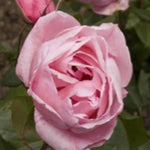
Scented
Out of Stock


Select form
Select a product

Single Plants
Select Size
About Queen Elizabeth Rose Bushes
- Variety: Queen Elizabeth
- Type: Floribunda
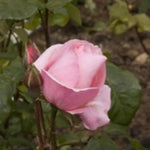
- Colour: Clear rose-pink
- Fragrance: Slight
- Height: 150cm (5ft)
- Flowering: June to October, repeat-flowering
- Aspect: Full sun to partial shade
- Disease resistance: Good resistance to blackspot, powdery mildew, and rust
- Good for: Specimen planting, borders, cut flowers, garden structure
- Sold as: Bare root (November–March) and potted plants
- Delivered: By next-day courier. Collection from Castle Cary also available
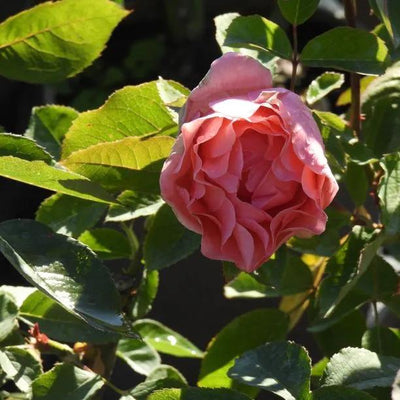
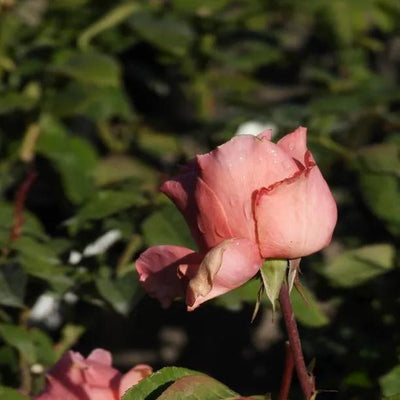
Queen Elizabeth is a clear rose-pink floribunda with large, shapely double blooms of classic form, flowering reliably from June to October. Bred in 1954 and named for the coronation year, it remains one of the most widely planted floribundas of the twentieth century, prized for its exceptional vigour, upright habit, and outstanding disease resistance.
Queen Elizabeth, a Floribunda Icon
Queen Elizabeth stands apart from most floribundas through its exceptional height and vigour. At 150cm (5ft) tall, it creates real garden structure and presence, performing equally well as a specimen or integrated into mixed borders. The blooms are substantial and perfectly formed, with a clear rose-pink that neither bluers nor fades in typical UK weather. Flowering is continuous and prolific from early summer right through to the first frosts, delivering colour when many other plants are tiring.
This rose was bred by Lammerts in the USA in 1954 and named to commemorate the Queen's coronation. Interestingly, it is classified as a Grandiflora in America and a Floribunda in Britain—a distinction that reflects its size and stature. The plant's upright, almost columnar growth habit means it rarely becomes leggy or sparse at the base, making it ideal where vertical emphasis is needed in garden design.
The slight fragrance should not deter you. While not heavily scented, the flowers are excellent for cutting, lasting well in the vase and maintaining their elegant form. The blooms appear in clusters, creating generous blocks of colour that anchor borders and provide continuity across the flowering season.
Disease Resistance You Can Rely On
Queen Elizabeth's outstanding resistance to blackspot, powdery mildew, and rust has been proven over seven decades of planting in gardens worldwide. This is a significant practical advantage, particularly in wet summers when fungal diseases can disfigure less resilient varieties. It thrives in full sun to partial shade, making it flexible in garden placement, though best colour and flower production will come from positions receiving at least four hours of direct sunlight daily.
The plant is vigorous and needs space to develop its true character. Plant it at least 90cm (3ft) from other shrubs and deadhead spent blooms regularly to encourage fresh flower production. Annual spring pruning to remove dead wood and weak growth will keep it healthy and productive for decades—and many of the roses in UK gardens today are the direct descendants of plants set out in the 1960s and 1970s.
Growing Queen Elizabeth in Your Garden
Queen Elizabeth responds well to fertile, well-drained soil enriched with organic matter before planting. Feed with a balanced rose fertiliser in spring and again after the first flush of bloom. Water during dry spells, keeping moisture at root level rather than wetting the foliage. In late winter (February to March), cut back hard to about 45-60cm (18-24 inches) from the ground, removing any crossing or congested stems. The resulting growth will be strong, floriferous, and beautifully shaped. Mulch in spring and autumn with composted bark or well-rotted manure to suppress weeds, retain moisture, and gradually improve soil structure.
Companion Plants for Classic Floribunda Roses
Queen Elizabeth's tall, upright habit and clear rose-pink colour work beautifully alongside silver-leaved shrubs such as artemisia and senecio, which enhance the purity of the blooms. Tall lavender plants in purple and violet create sophisticated harmonies, while allium bulbs with their spherical purple flowers provide textural contrast. Consider underplanting with soft herbaceous perennials such as catmint or geranium to soften the base and extend colour through the season. For later season interest, combine with ornamental grasses and asters, which carry the garden through into autumn and complement the rose's fading blooms.
Why Buy Your Roses from Ashridge Nurseries?
Our roses are budded onto vigorous rootstock and grown for us by specialist rose growers who understand the demands of British gardens. We've won the Which? Gardening Best Plant Supplier award and the Feefo Platinum Trusted Service Award. Browse our full floribunda rose collection or explore other classic varieties.
Frequently Asked Questions
How tall does Queen Elizabeth really grow?
Queen Elizabeth typically reaches 150cm (5ft) tall, making it taller than most floribundas. This height can vary slightly depending on soil conditions and pruning, but it consistently creates garden structure.
Is Queen Elizabeth fragrant?
Queen Elizabeth has a slight fragrance rather than a strong scent. However, it's valued for cut flowers, excellent form, and disease resistance, making it a reliable garden performer regardless.
When should I prune Queen Elizabeth?
Prune in late winter (February to March) by cutting back to 45-60cm (18-24 inches) from the ground. Remove dead, diseased, or crossing wood. Deadhead regularly during the growing season to encourage continuous flowering. See our rose pruning guide for full details.
What diseases does Queen Elizabeth resist?
Queen Elizabeth has good documented resistance to blackspot, powdery mildew, and rust. This makes it particularly reliable in humid or damp conditions where these fungal diseases often develop.
Can I grow Queen Elizabeth in part shade?
Yes. Queen Elizabeth tolerates partial shade (four hours minimum sunlight daily), though it performs best in full sun. Shade may reduce flower production slightly but will not prevent flowering or compromise plant health.