


Sold as:

from £10.95

Sold as:
from £19.99
 5 Star Service Rating




 Secure, One-Tap Checkout
 5 Star Feefo Rating
 Hand Picked, Delivered to Your Door!1 Year Bareroot Guarantee
 Platinum Trusted Service Award 2026
 Mail Order Plant Experts - Est. 1949
 1 Year Bulb Guarantee
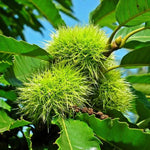
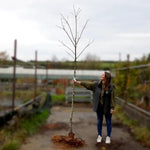
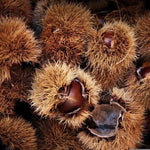
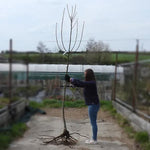
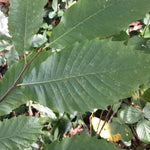

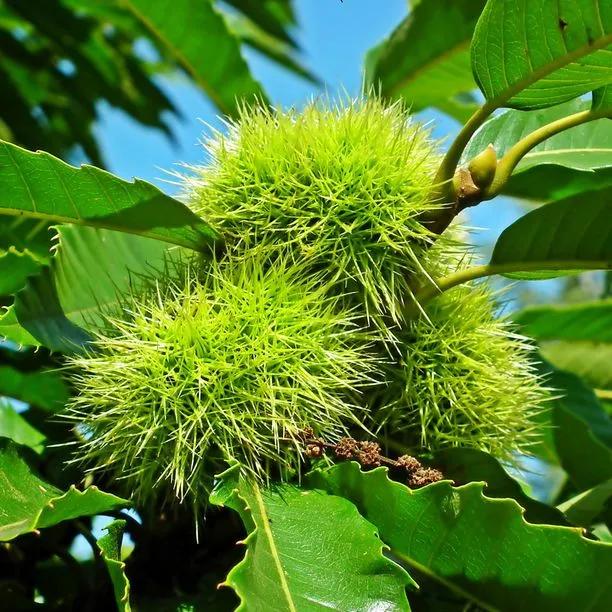
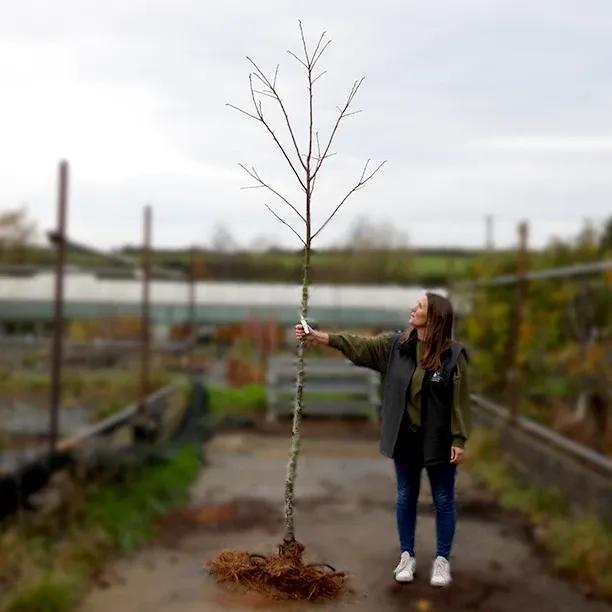
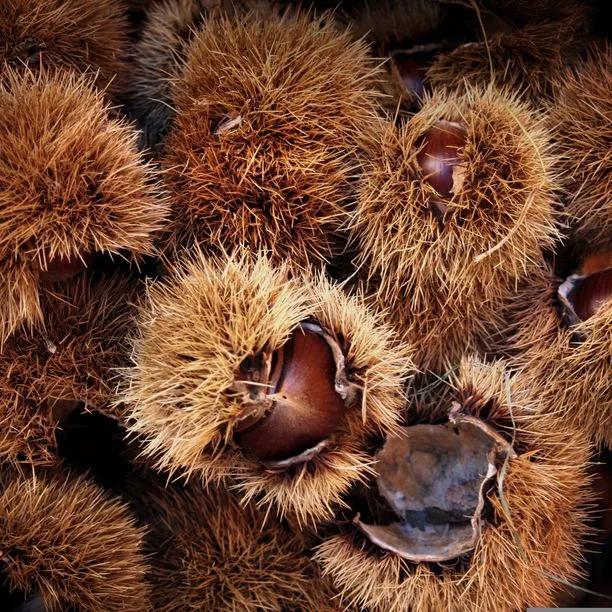
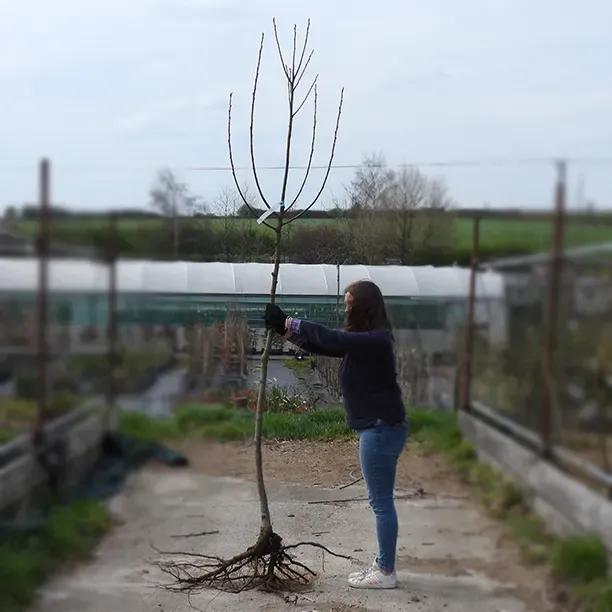
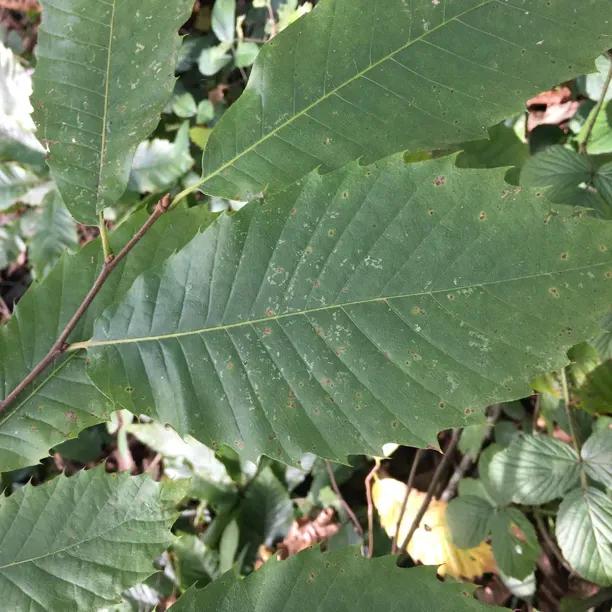



Sweet Chestnut is a big, long-lived tree with glossy, toothed leaves, long yellow catkins in summer and edible nuts in spiny cases. It wants full sun and a well-drained soil that is not chalky. Plant saplings for a wood or a coppice, and a standard for a specimen.
Castanea sativa, is large, with a stout trunk and strong, fairly short main branches that create a shaggy canopy starting quite close to the ground. Sweet chestnuts, which can reach 30 metres in the right position, will grow on almost any well-drained soil apart from chalk. The nuts are edible, and delicious.
Browse our other varieties of Chestnut trees.
This rugged, deciduous tree has lush, glossy, lance-shaped leaves with serrated edges that turn bronze-gold in autumn. It produces fairly insignificant pale yellow catkins in June/July which draw insects and ripen into eating chestnuts in early winter. It's an excellent parkland or woodland specimen. It's a very long-lived tree, and old specimens can be exceptionally beautiful, with thick, spreading branches and intricately ridged bark which seems to spiral around the trunk.
Not really: it just doesn't respond well enough to regular trimming to get our vote.
However, it's a fine windbreak tree and coppices beautifully, so it can play an important role in a mixed shelter belt with other trees and hedges.
Spanish chestnuts were hugely important to the Roman Empire, which spread the species across the Old World and introduced it to Britain some 2,000 years ago. Sweet chestnut porridge was a staple diet for Roman soldiers on campaign; it has all the belly filling stodginess of a grain, combined with the high protein and oil of a nut.
In Sicily, there is an ancient sweet chestnut thought to be over 2,000 years old, the Castagnu de Centu Cavaddi, The Chestnut of One Hundred Horses, sheltered a Spanish queen and her entire company of 100 knights in a storm.
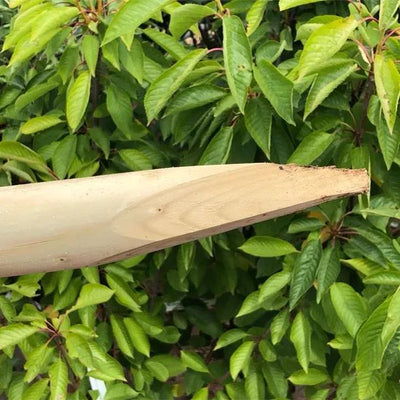
Chestnut wood is strong and almost rot-proof, ideal for outdoor uses such as fencing.
Castanea vesca and Castanea vulgaris are former names.
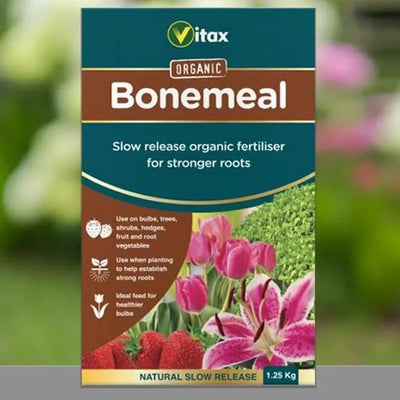
The Horse Chestnut shares the name and nothing else. Sweet Chestnut's real relatives are Beech and Oak, which are in the same family: see Green Beech and our Oak trees. Browse all our large garden and parkland trees, and dust the roots with Rootgrow as you plant.
Ashridge has sold trees since 1949 and is a Which? Best Plant Supplier 2025. Your Sweet Chestnut comes as a bareroot tree, lifted to order while dormant and guaranteed for 12 months. Plant it between November and April, and it will establish readily.
Yes. These are the eating Chestnuts that you roast. They come in spiny cases.
No. The two are unrelated. Horse Chestnuts make conkers, which are not for eating. Sweet Chestnut belongs to the same family as Beech and Oak.
It grows more than 12 metres tall and more than 8 metres wide, in 20 to 50 years. In the right place it can reach 30 metres, so give it room.
A well-drained loam or sand that is acid to neutral, in full sun. It does not suit chalk. It is drought resistant, so it does well on dry, sandy ground.
Saplings make a wood, a shelter belt or a coppice, and they cost little. A standard makes a specimen tree with a clear trunk from the first day.
Yes. Sweet Chestnut coppices well, and the poles are the traditional wood for fencing. It is not a plant for a clipped hedge.
Bareroot only, from November to April, while the trees are dormant. You can order at any time of year and your tree is lifted and sent once the season opens.




 Sign In
 Saved items