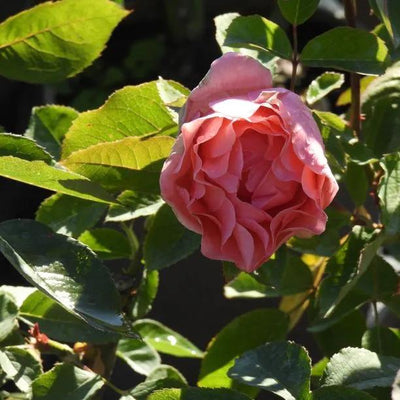
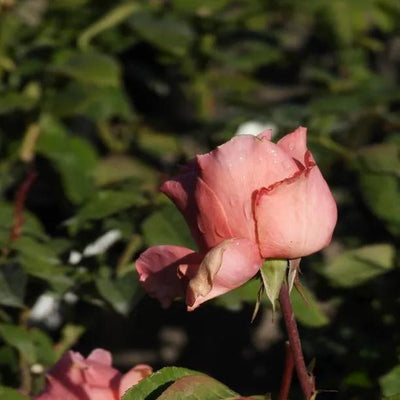
Sold as:

from £10.95
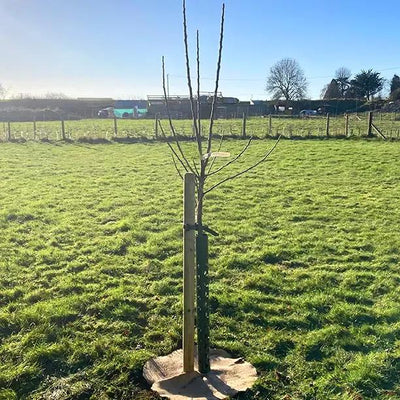

Sold as:
from £19.99
 5 Star Service Rating




 Secure, One-Tap Checkout
 5 Star Feefo Rating
 Hand Picked, Delivered to Your Door!
 1 Year Bareroot Guarantee
 Platinum Trusted Service Award 2026
 Mail Order Plant Experts - Est. 1949





Danse du Feu is a climbing rose bred in France in 1953, celebrated for its brilliant scarlet-orange, fully double flowers produced in clusters from June through October. One of the most vividly coloured climbing roses available, it's a repeat-flowering classic with the vigour and reliability that make mid-century cultivars enduring favourites for gardeners who want bold colour without apology.
If you're after a climbing rose that stops people in their tracks, Danse du Feu delivers exactly that. Bred by Mallerin in France in 1953, this is one of the most striking reds available to the modern gardener. The scarlet-orange is electric, almost luminous in strong sunlight, and the fully double blooms arrive in generous clusters throughout the growing season. From June onwards, you'll have colour on the wall or fence almost continuously until the first hard frost, which is precisely what you want from a repeat-flowering climber.
This rose is a worker. It flowers freely and doesn't need coaxing. The vigour is reliable rather than rampant, reaching 3.5m (12ft) with standard support, making it ideal for substantial walls, south or west-facing fences, and sturdy pergolas. The colour is bold enough that you need to think about where you plant it. Pale pastels and cool blues will clash with that scarlet-orange, but pair it with cream-coloured render, stone, or dark foliage like yew or copper beech, and you'll create something genuinely memorable.
The fragrance is slight, which is honest to acknowledge. This rose is grown for its visual impact, not its scent. If perfume is essential to you, you might consider other climbing roses, but if you want a rose that commands attention and performs reliably year after year, Danse du Feu has few peers in its colour range.
Plant this climber in well-drained soil with plenty of compost worked in before planting. South or west-facing is ideal, as the scarlet-orange will be even more dramatic in strong sunlight. Water well in the first growing season, and deadhead spent flowers to encourage more blooms. Unlike some vigorous climbers, Danse du Feu responds well to training and can be tied in horizontally to encourage more flowering shoots along the framework. For detailed guidance on care and pruning, consult our guide to growing climbing and rambling roses and our climbing rose pruning guide.
Hard frost can occasionally damage new growth, so in colder parts of the UK, shelter is valuable. Container cultivation is possible in milder regions if space is limited, though open ground will always give better results. Prune lightly after flowering to maintain shape and encourage a fresh flush of blooms before autumn.
Mid-century rose breeding gave us several gems, and Danse du Feu is among the best. It has the vigour and personality of roses bred before hybridisation became obsessive about breeding disease resistance at the expense of character. This is a climbing rose that still looks fresh and modern, not quaint or antiquated. The scarlet-orange is timeless, and the repeat-flowering habit means you're not staring at bare stems by August. If you're planting a new wall or want to revitalise a tired fence, this variety will give you years of bold, reliable colour.
Danse du Feu's electric scarlet-orange demands careful neighbours. Grow it alongside silver-foliaged lavender plants to soften the intensity, or pair it with cream-flowering clematis plants that bloom at different times to add textural contrast. At ground level, underplant with dark purple allium bulbs for a rich, sophisticated scheme. Alternatively, use herbaceous perennials in white and cream tones to complement the structure. Or explore other climbing varieties in our climbing rose collection.
We supply climbing roses budded onto vigorous rootstock, grown for us by specialist growers. Our roses are hardened off and established, not rushed stock. We're award-winning suppliers with decades of nursery expertise. Browse our full rose collection and order with confidence.
Danse du Feu is a climber. It has stiff, woody canes that need tying to support, not the flexible growth habit of ramblers. See our guide to climbing and rambling roses for the distinction.
It reaches 3.5m (12ft) in height with standard support. Width varies depending on how you train it, but expect 2-2.5m (7-8ft) across on a well-managed framework.
No, it flowers from June through October with repeat flushes throughout that period. In winter and early spring, expect no blooms, which is normal for outdoor climbing roses in the UK.
It's possible in sheltered, milder regions, but open-ground planting in well-drained soil delivers far better results. Container-grown plants need consistent watering and feeding throughout the growing season.
Stone, cream render, dark brick, and dark-painted surfaces all suit the scarlet-orange beautifully. Avoid pale blue, pale pink, or competing warm colours. The rose is the star, so let the backdrop be neutral or cool-toned.










 Sign In
 Saved items