Sold as:

from £6.99

Sold as:
from £19.99
 5 Star Service Rating




 Secure, One-Tap Checkout
 5 Star Feefo Rating
 Hand Picked, Delivered to Your Door!
 1 Year Bareroot Guarantee
 Platinum Trusted Service Award 2026
 Mail Order Plant Experts - Est. 1949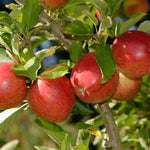
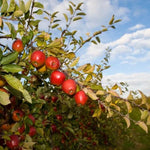


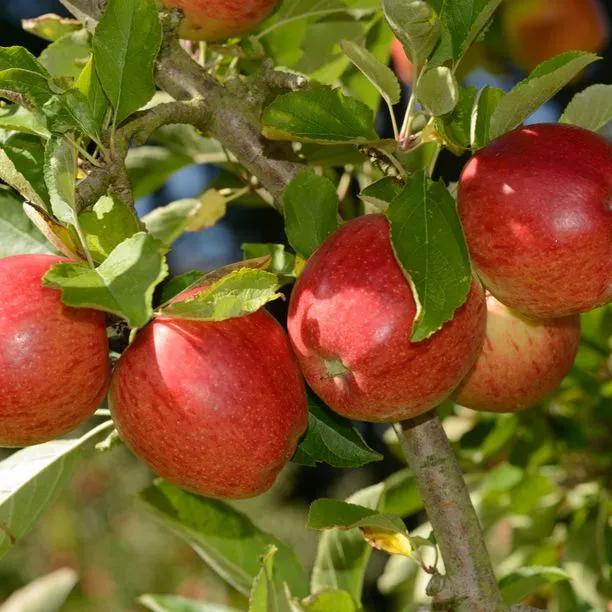
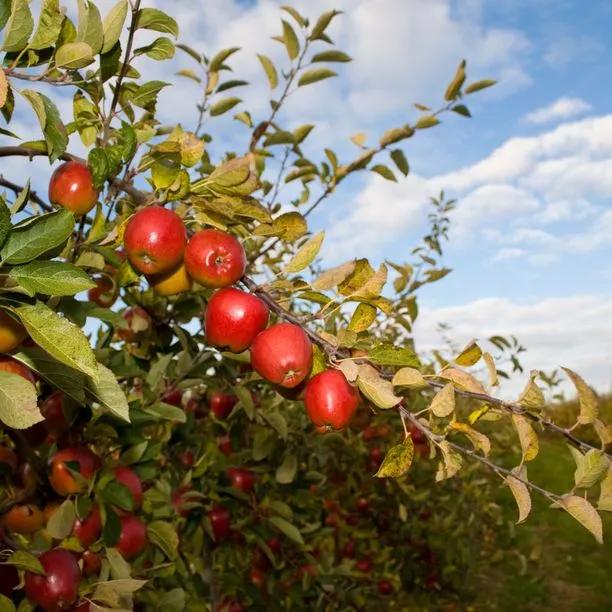



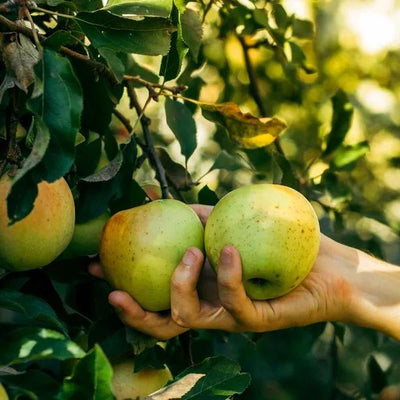
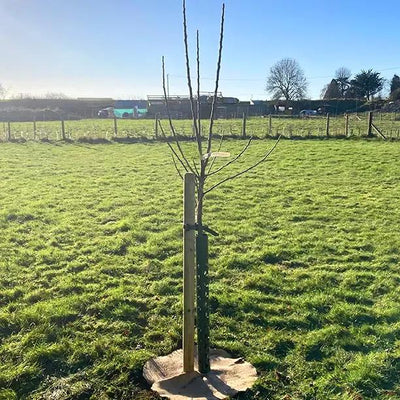
Braeburn apple trees produce a mid to late season eating apple. This well known variety has lovely bright red and yellow colouring, a superbly crisp, juicy crunch and an excellent sweet and sharp balance of powerful, fruity flavour.
They're common in supermarkets; they travel well and are at their best after a period of ripening off the tree, ideal for large scale imports. They also need plenty of warmth and sun, which makes them unpopular with British commercial growers in most parts of the country, despite being low maintenance and heavy croppers. That said, they have increased in popularity in Kentish orchards, where they perform well on warm South facing slopes.
To avoid a disappointing flavour, we really recommend this tree for sheltered sites with full sun in Southern areas.
Browse our other apple varieties, or all our fruit trees.
Read our guide to buying apples.
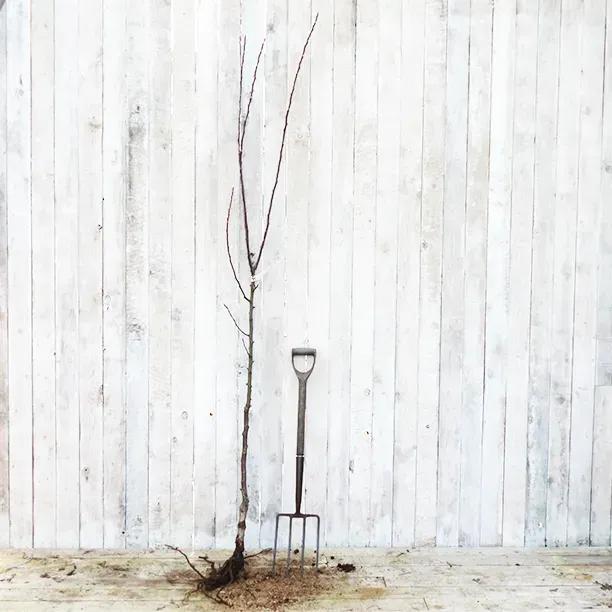
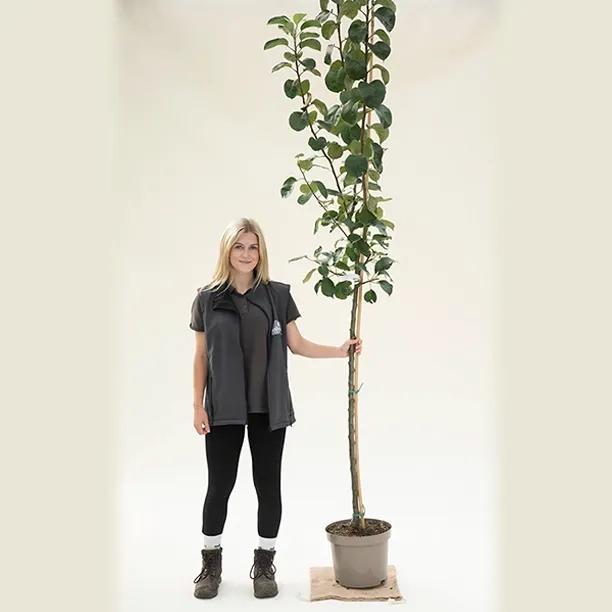
Delivery season: Bareroot plants are delivered in late Autumn to Spring, about November-March inclusive. Pot grown plants, year round.
Apples like rich, well drained soil, and will thrive on clay in locations that do not get waterlogged in winter.
A full day of sun and shelter from the wind is ideal.
Rootstocks:
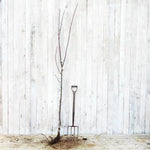
We use MM106 for Braeburn, the UK standard for medium-sized trees, ideal for gardeners. It gives a half-standard about 4m tall, and a bush about 3m.
MM106 maidens are suitable for cordons and espaliers.
Disease notes:
Disease susceptibility: Scab, Mildew, Fireblight, Bitter Pit.
Your trees are self fertile, making decent crops without a pollination partner, but still perform best with one.
Braeburn is in Pollination Group E, which cross-pollinates with other apple trees in Groups D, E and F.
Use our Fruit Pollination Checker to quickly find pollination partners, or Apple Pollination Guide to learn more.








 Sign In
 Saved items