The best daffodils to plant in UK gardens.
Narcissus pseudonarcissus 'Lobularis'
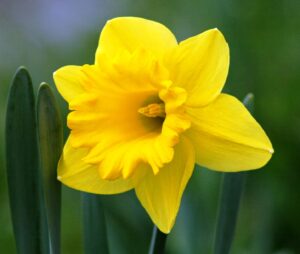
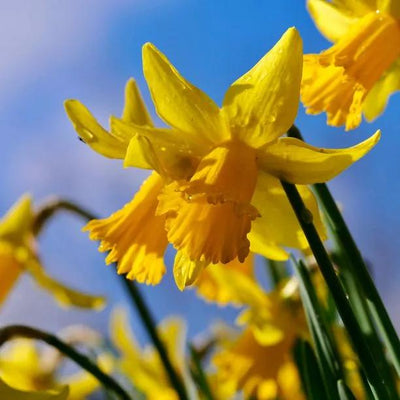
The wild daffodil, Narcissus pseudonarcissus, is native to the UK and parts of Western Europe, where it naturally grows in ancient woodlands, damp meadows, and along riverbanks. Smaller and more delicate than most garden hybrids, it has pale yellow petals that often sweep back from a soft trumpet and is sometimes lightly scented. Flowering in early spring around Lent, it is traditionally known as the “Lent lily.” In Britain, spectacular natural displays can be seen in places such as Farndale and parts of Gloucestershire, where vast drifts create a classic spring landscape.
Wild daffodils are long-lived and, if left undisturbed, can naturalise and multiply for decades by dividing underground. They provide an important early nectar source for bees and other pollinators at a time when few flowers are in bloom. In some areas of the UK they are protected, it's not illegal to pick them but you may recieve a hefty fine for doing so without the landowners permission.
What does "In the Green" mean?
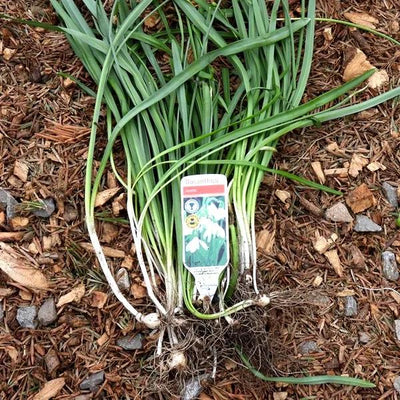
Ashridge supply wild daffodil bulbs to plant in Autumn and “in the green" bulbs during February and March.
This simply means the bulbs are lifted and replanted while they still have green leaves attached, shortly after flowering. Instead of planting dry, dormant bulbs in autumn, “in the green” bulbs are moved in spring when you can see exactly where they’ve been growing.
Benefits of planting in the green include:
- Easier, more accurate placement
- Better success when establishing naturalised drifts
- Ideal for dividing and spreading existing clumps
Where to grow wild daffodils?
We find that daffodils bring a pop of colour, brightening up any space they are placed in, so we recommend using that to your advantage, for example:
-
Under deciduous trees where early spring sunlight reaches the ground
-
Around the base of tree trunks to create a soft, golden halo effect
-
Along woodland paths or hedgerows for a naturalised look
-
In drifts through long grass for a meadow-style display
Why you should grow daffodils
- They're low maintenance and return year after year
- You can use them as cut flowers
- They can brighten your garden borders in early Spring
How deep to plant daffodils in the green?
When planting in the green, you want to plant your daffodils deep (we would recommend around 6 inches/15cm), this helps with:
-
Stability and stronger stems - planting deep helps anchor your daffodils, preventing them from flopping over with the wind or rain
-
Protection from temperature swings - this ensures your daffodils are protected from freezing/thawing cycles, and from frost heaving (where your bulbs get pushed up out of the soil)
-
Better moisture balance - deeper soil drains better, keeping the ground evenly moist and reducing the risk of dry bulbs
-
Encourages naturalising - deeper planting helps bulbs settle and divide naturally without frequent replanting
Top tips
-
Allow the foliage to die back naturally. This helps the bulbs store energy for next year’s display.
- When mixing them with other cut flowers, be sure to leave them in water alone for a few hours to get rid of their sap- this sap will shorten the lifespan of your other flowers
- If your clumps become crowded and flower less: separate offsets (baby bulbs)
- If you're planting in grass, avoid areas that are frequently heavily fertilised










 Sign In
 Saved items
 Secure, One-Tap Checkout
 5 Star Feefo Rating
 Hand Picked, Delivered to Your Door!
 1 Year Bareroot Guarantee
 Platinum Trusted Service Award 2026
 Mail Order Plant Experts - Est. 1949







Comments (0)
Add a commentLeave a comment
Please note, comments need to be approved before they are published.