How apple pollination actually works
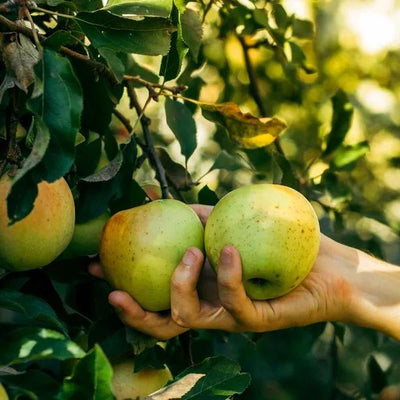
Most apple trees can't fertilise their own blossom. Each one needs pollen from a different variety, carried across by bees, with both trees in flower at the same time — otherwise all that lovely blossom comes to nothing. To make matching easier, every variety is sorted into a flowering group based on roughly when it blooms each spring. Pick a partner from the same group, or the group next door, and the timing takes care of itself.
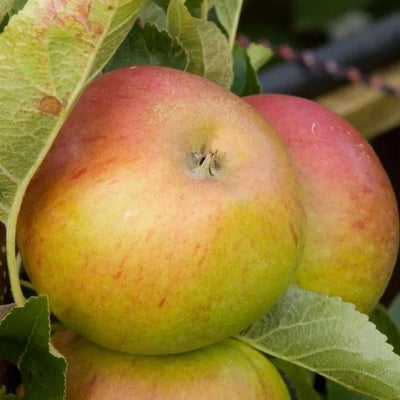
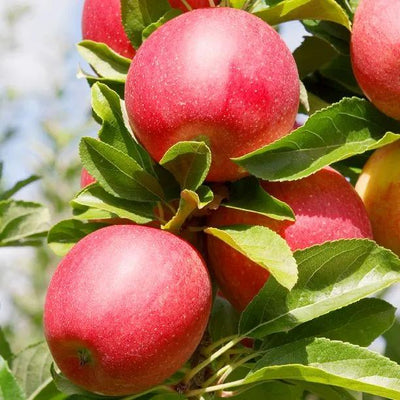
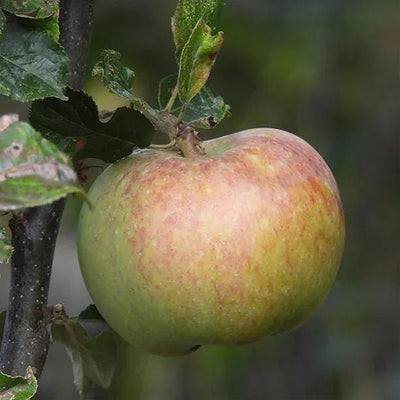
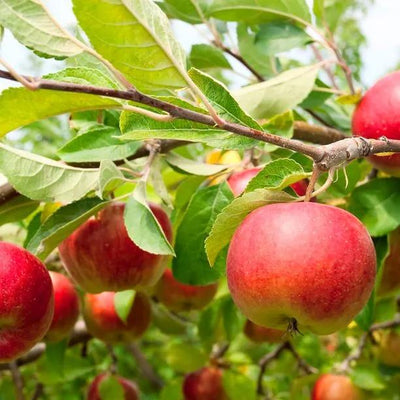
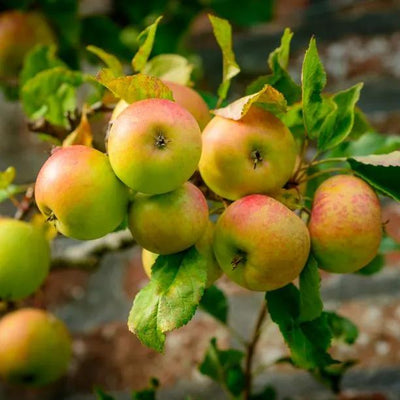
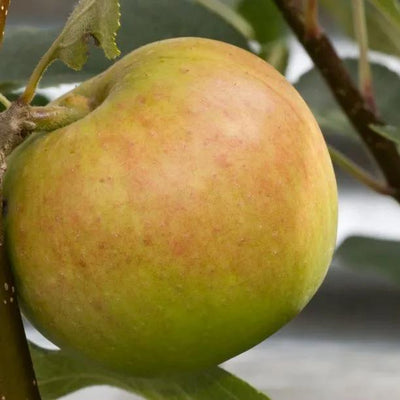
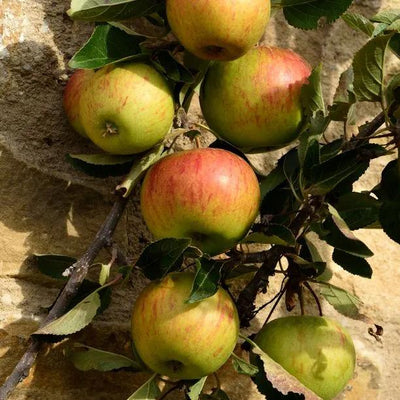
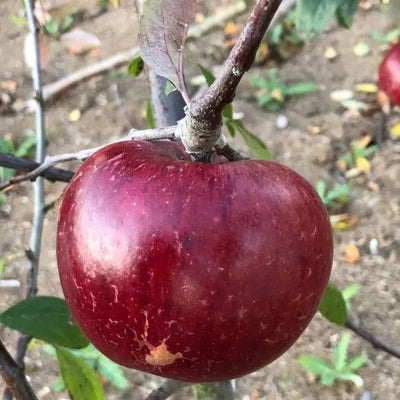
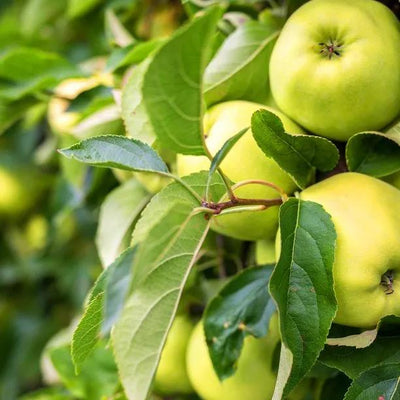
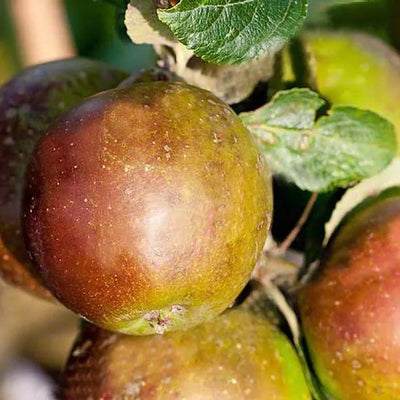
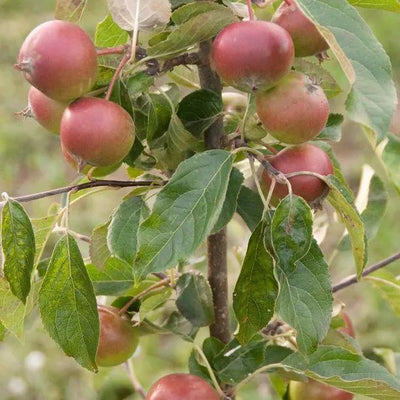
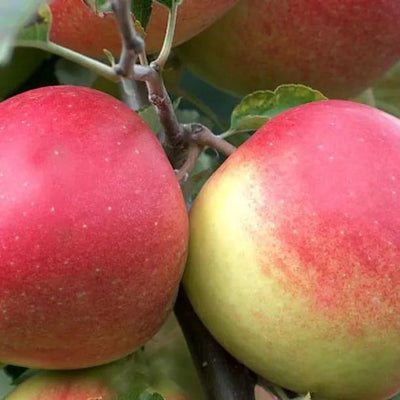
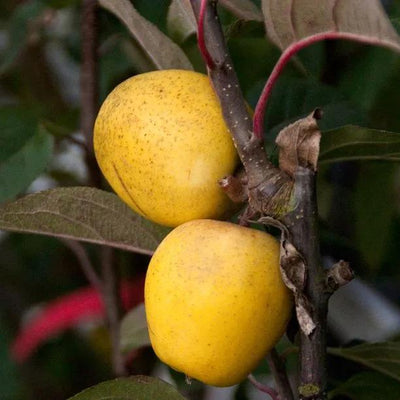
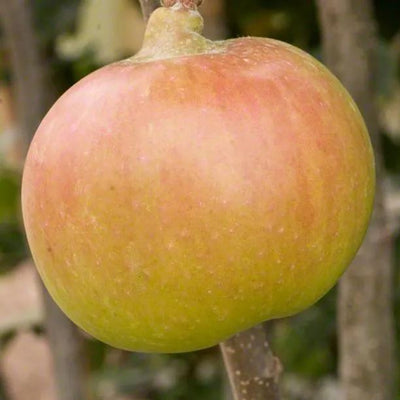
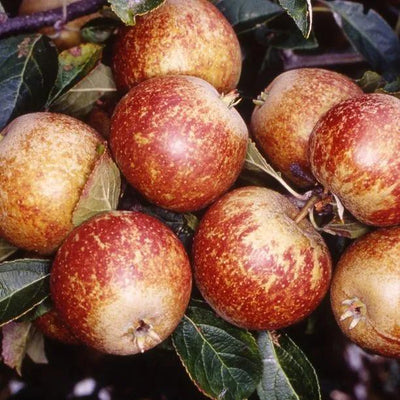
Varieties in Group D
The varieties above all flower in this late window and will cross-pollinate with one another.
The upside of flowering late
There's a genuine perk to being a late bloomer: by the time Group D blossom opens, the worst of the spring frosts have usually passed. That means these varieties tend to set fruit more dependably than earlier groups if your garden is cold, exposed, or just a known frost pocket.
A note on triploid varieties
Some apple varieties are triploid — their pollen is sterile, so they can't pollinate anything themselves. A triploid tree needs two other compatible varieties nearby rather than the usual one. We mark triploid varieties clearly on their product pages, so you can plan your planting accordingly.
Need a partner outside Group D?
Group C's flowering window overlaps with Group D's, so varieties from that group will cross-pollinate with your Group D trees too. For compatibility across the full range of groups, our pollination guide has the complete rundown.


 Sign In
 Saved items


 5 Star Service Rating




 Secure, One-Tap Checkout
 5 Star Feefo Rating
 Hand Picked, Delivered to Your Door!
 1 Year Bareroot Guarantee
 Platinum Trusted Service Award 2026
 Mail Order Plant Experts - Est. 1949