Sold as:

from £6.99



Sold as:
from £19.99
 5 Star Service Rating




 Secure, One-Tap Checkout
 5 Star Feefo Rating
 Hand Picked, Delivered to Your Door!
 1 Year Bareroot Guarantee
 Platinum Trusted Service Award 2026
 Mail Order Plant Experts - Est. 1949

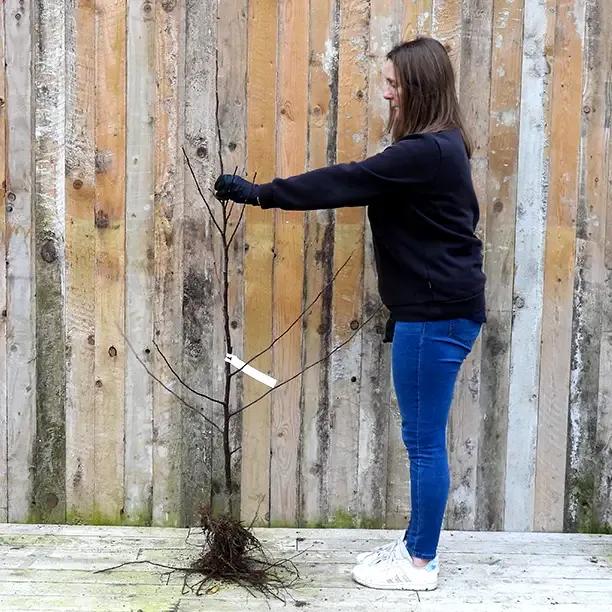
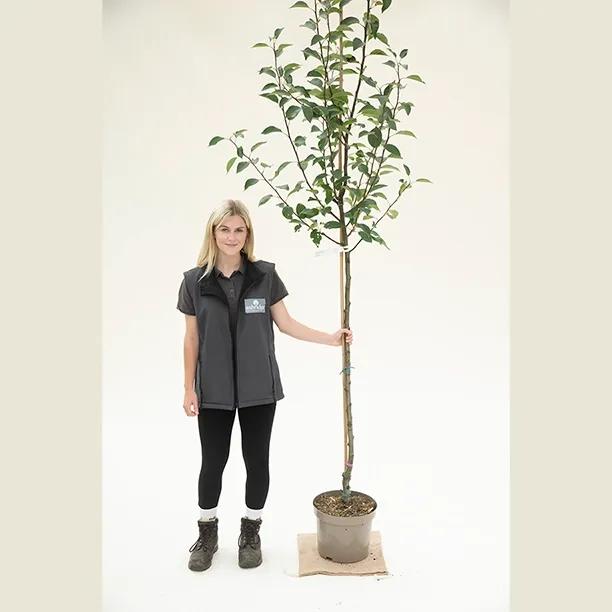




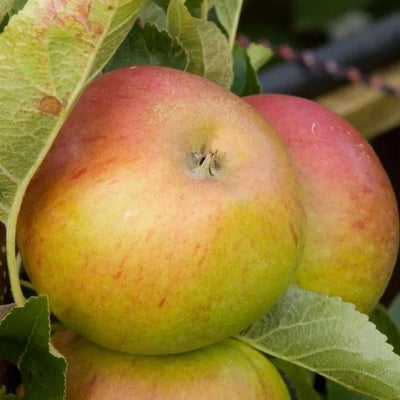
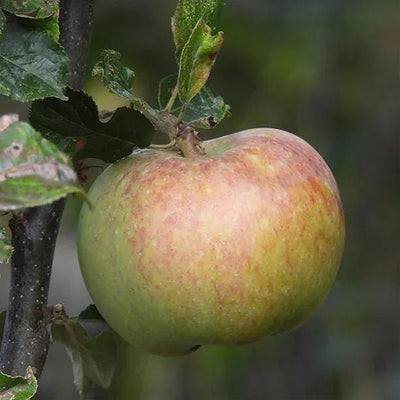
Laxton's Superb is a Cox seedling from 1897 that is sweeter and larger than its parent: a heavy-cropping late dessert Apple with firm flesh, picked in early October and kept until January. It is partially self-fertile, in group D, and on the RHS Plants for Pollinators list.
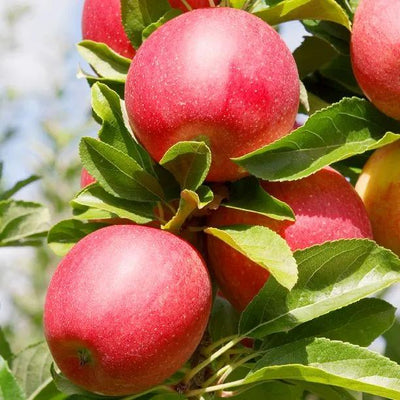
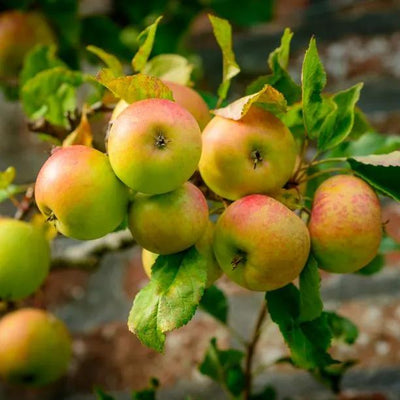
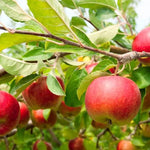
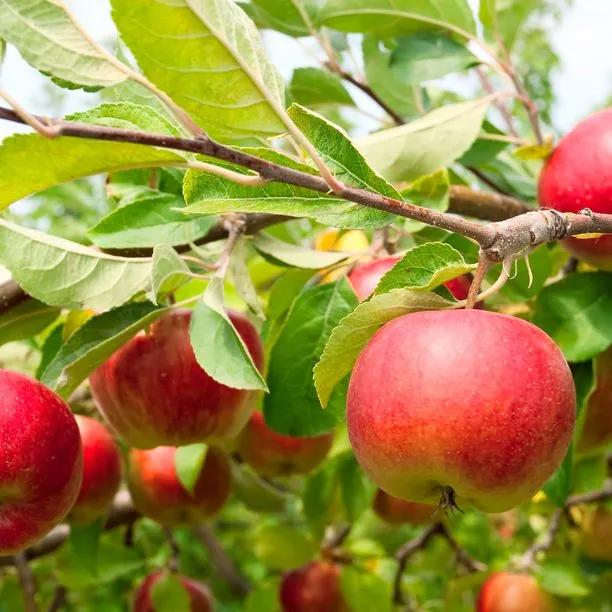
The late Victorians and Edwardians loved this apple. Laxtons Superb graced many tables because of its tremendous sweetness, complex flavours and firm but not too juicy flesh. Needless to say it's a superb apple. Less flat than a Cox's Orange Pippin from which it's derived, it's definitely sweeter and larger than a Cox but not so brash in taste as modern varieties of apple. The apples are of a medium size with slight russeting on the red flushed surfaces of the greeny/yellow skin. It's handsome without being hugely decorative. The flesh is cream in colour and fine in texture. The blossom comes early in May.
Browse our range of apple trees or see the full variety of fruit trees.
The hidden ingredient in the Laxtons Superb flavour is its ancestry in the Wyken Pippin apple, an old variety that is rarely grown today. Weirdly it tastes better if you cut it and eat it in slices rather than bite into it. Try it and see. It needs a pollinator to help deliver its full potential. If you do not have a preference, we recommend Worcester Pearmain which is another fascinating older dessert apple. It fruits earlier than Laxtons Superb, but flowers at the same time and would do the job perfectly. Any Group C or D apples would suit. Not a showy apple tree, it would look wonderful clothed in a rambling rose in the summer season.
Introduced in 1897 in Bedfordshire by the Laxton Brothers, well known apple breeders of the time, this apple has remained popular ever since. Their father Thomas Laxton was a well-known plant breeder specialising in strawberries and peas. He worked with Charles Darwin on some of his pea experiments and is mentioned in Darwin's 'The Variation of Animals and Plants Under Domestication' and in other publications.
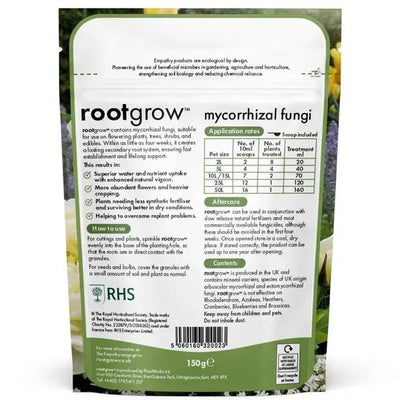
Any Apple in group C or D will pollinate it. From its own group, Gala, Braeburn and Ellison's Orange all work, and our Apple pollination chart lists the rest. Dust bareroot roots with Rootgrow as you plant.
Ashridge has sold trees since 1949 and is a Which? Best Plant Supplier 2025. Your Laxton's Superb Apple tree is grafted onto MM106 rootstock, and maidens are pre-pruned before despatch for the form you choose. Bareroot trees are lifted to order while dormant and guaranteed for 12 months.
It is partially self-fertile, so a lone tree sets some fruit, and it crops much better with a partner from group C or D nearby.
Laxton's Superb tends towards biennial bearing: a huge crop one year and little the next. Thinning the young fruit in a heavy year, in late spring or early summer, evens it out.
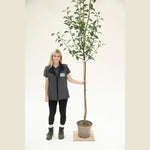
On MM106, a pruned bush is kept at about 3 metres and a half-standard at about 4 metres. Left unpruned, the rootstock gives a tree about 4.5 metres tall and wide.
Pick in early October. Stored somewhere cool, the fruit keeps until January.
A spur bearer, so it suits ordinary winter pruning and trained forms.
You buy a maiden and make the shape yourself, which is how a cordon is made. Tell us the form you want and we pre-prune the maiden before despatch. MM106 suits cordons, fans and espaliers.
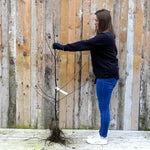
Bareroot only, from November to April, while the trees are dormant. You can order at any time of year and your tree is lifted and sent once the season opens.





Laxtons Superb Apple Trees needs a different apple tree nearby, in flower at the same time, to produce fruit. The varieties below are compatible pollination partners.


 Sign In
 Saved items