Sold as:

from £6.99

Sold as:
from £19.99
 5 Star Service Rating




 Secure, One-Tap Checkout
 5 Star Feefo Rating
 Hand Picked, Delivered to Your Door!
 1 Year Bareroot Guarantee
 Platinum Trusted Service Award 2026
 Mail Order Plant Experts - Est. 1949
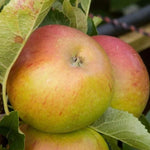
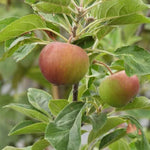
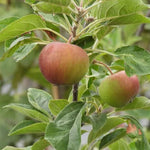
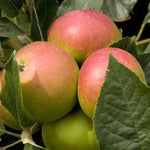
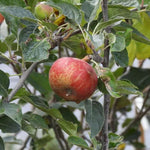
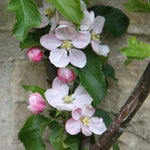
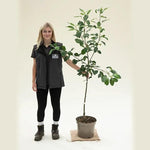
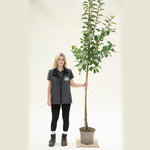

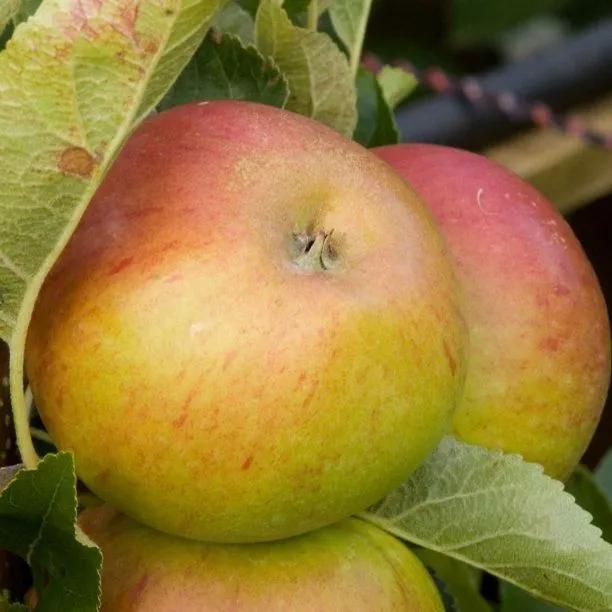
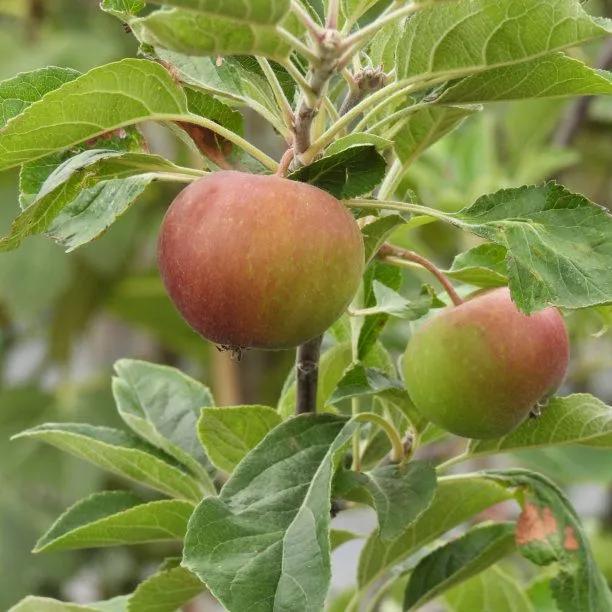
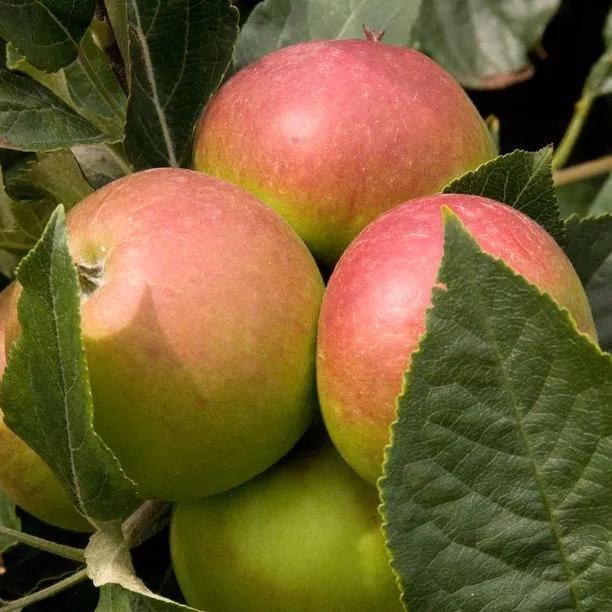
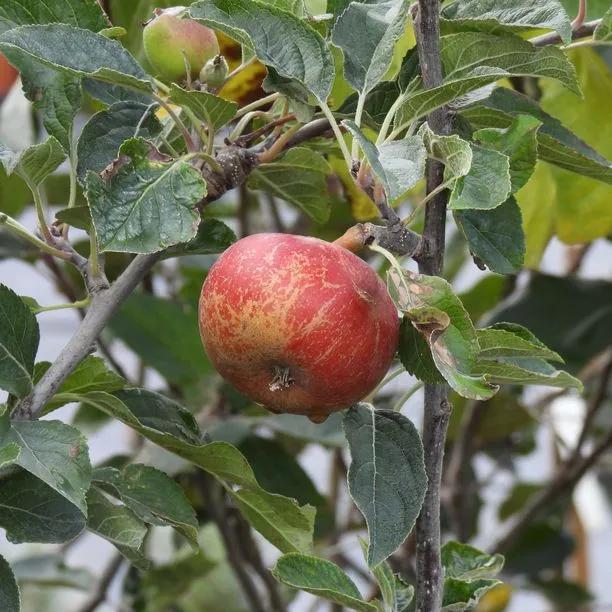




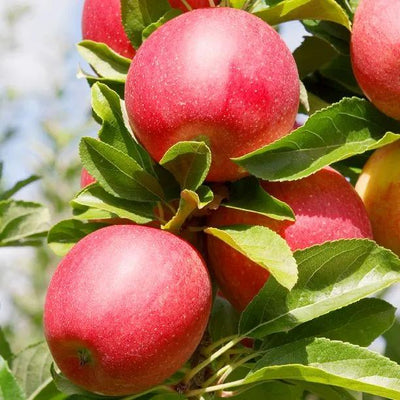
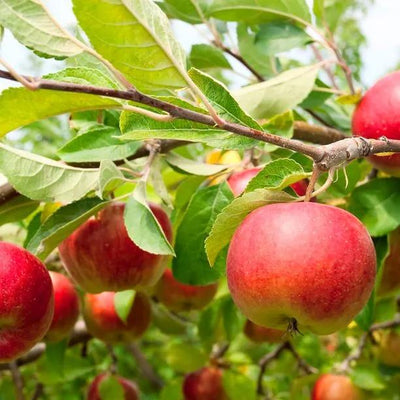
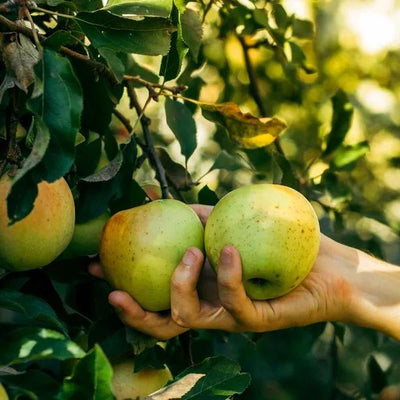
Fiesta is the easy way to grow a Cox-flavoured Apple: a red and yellow eating Apple bred from Cox's Orange Pippin and Idared, crunchy, sweet and good for juice. It is picked in early October, keeps from November to February, and holds the RHS Award of Garden Merit.
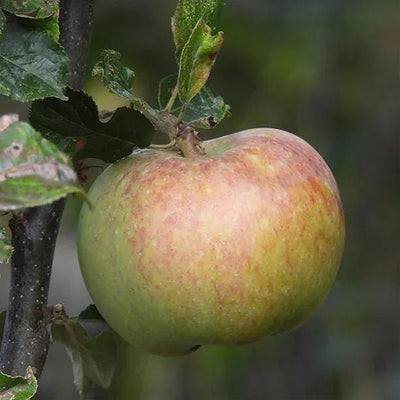
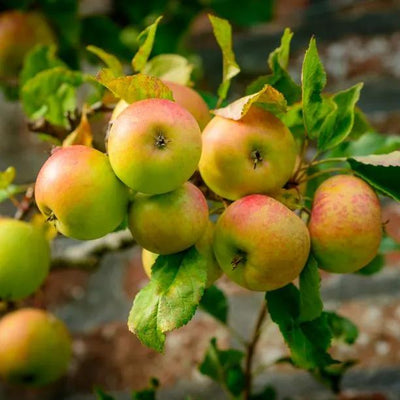
A blushing red and yellow beauty of an apple, with a fine flavour and crunchy flesh, the Fiesta is one of the best offspring of the famous Cox's Orange Pippin and, unlike its parent, is easy to grow. It holds the RHS Award of Garden Merit (1993). Basically a sweet tasting apple, Fiesta has preserved some of the subtle blend of flavours that make Cox so great, though it can't really be called a substitute. They juice well and are good for storage: after picking in early October, Fiesta Apples last into the new year without too much loss of flavour.
Browse our full range of apple trees or see the full variety of fruit trees.
Fiesta is one of the East Malling Research Station's great creations, raised by the distinguished Dr Frank Alston in 1972. The other parent is Idared, which has some similarities to Cox in terms of flavour and stores well, and both qualities have been passed on to Fiesta. Recently, there has been a drive to rename it Red Pippin.
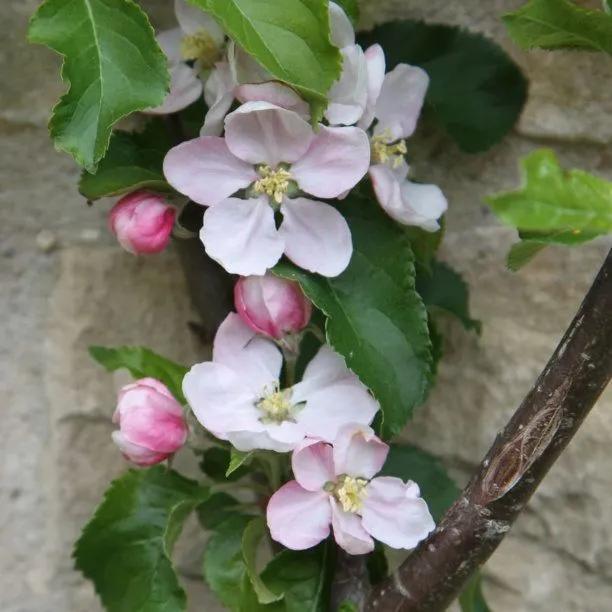
Being partially self-fertile, you can get away with not having a pollination partner, though your crop size will suffer a bit. Fiesta is a mid-late season flowerer and can cross pollinate with any tree in the mid or late season categories.
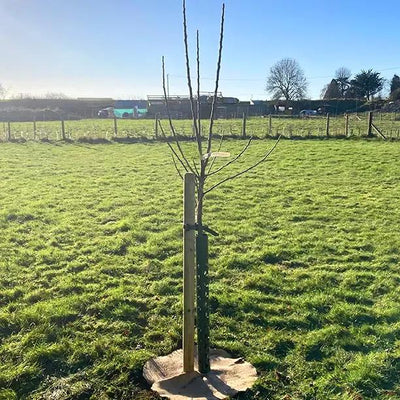
Our Fiesta Apple trees are grown on MM106 rootstocks, which is an ideal choice for both restricted forms and a good sized garden tree about 4 metres high. Fiesta apple trees are quite compact and are one of the best apples for growing as cordons and other wire trained forms. They're very hardy and we recommend them if late frosts are an issue in your area. Though they're not very vigorous, they become heavy croppers in time with an even harvest from year to year.
Back to the apple trees page
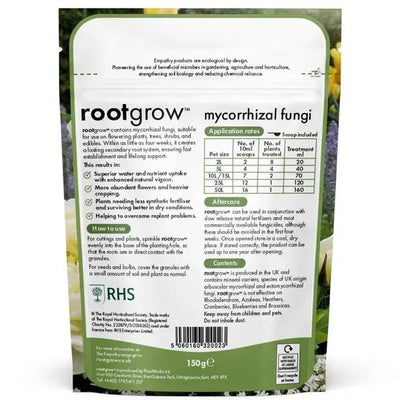
Fiesta flowers in group C and sets its best crop with a partner from group B, C or D. Its own parent, Cox's Orange Pippin, is in the same group, and so are Sunset, another Cox child, and Red Falstaff. Our Apple pollination chart shows every group. For cordons and espaliers, read our guide to growing cordon fruit trees. Dust bareroot roots with Rootgrow as you plant.
Ashridge has sold trees since 1949 and is a Which? Best Plant Supplier 2025. Your Fiesta Apple tree is grafted onto MM106 rootstock, and maidens are pre-pruned before despatch for the form you choose. Bareroot trees are lifted to order while dormant and guaranteed for 12 months.
Not strictly. Fiesta is partly self-fertile, so one tree sets some fruit alone. It crops better with another Apple from group B, C or D nearby, such as Cox, Sunset or Red Falstaff.
Pick in early October. The RHS gives the season of use as November to February, so Fiesta is one of the better keepers among the Cox family.
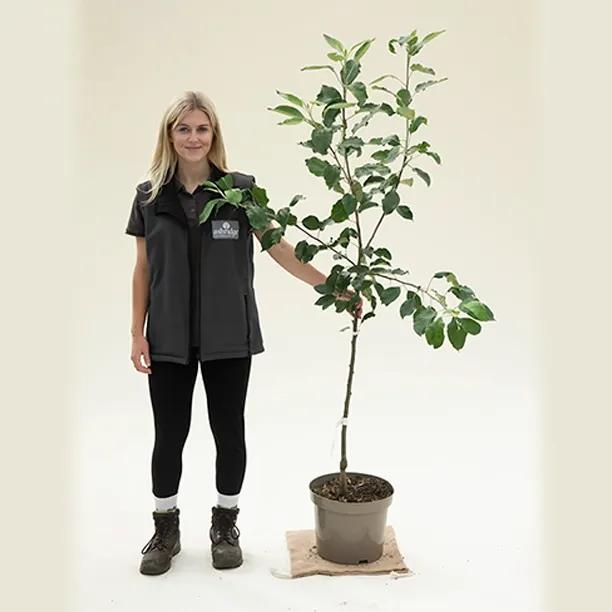
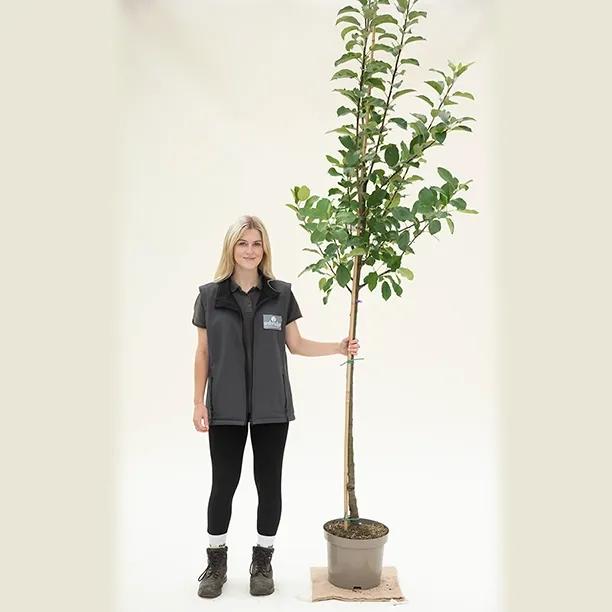
On MM106, a pruned bush is kept at about 3 metres and a half-standard at about 4 metres. Left unpruned, the rootstock gives a tree about 4.5 metres tall and wide.
You buy a maiden and make the shape yourself, which is how a cordon is made. Tell us the form you want and we pre-prune the maiden before despatch. MM106 suits cordons, fans and espaliers. Fiesta is a spur bearer, which is what trained forms need.
Yes. It has held the Award of Garden Merit since 1993, and it is on the RHS Plants for Pollinators list.
Yes. Red Pippin is a newer name for Fiesta. The RHS lists it as Malus domestica 'Fiesta'.
Bareroot only, from November to April, while the trees are dormant. You can order at any time of year and your tree is lifted and sent once the season opens.




Fiesta Apple Trees needs a different apple tree nearby, in flower at the same time, to produce fruit. The varieties below are compatible pollination partners.


 Sign In
 Saved items