


Sold as:

from £6.99

Sold as:
from £19.99
 5 Star Service Rating




 Secure, One-Tap Checkout
 5 Star Feefo Rating
 Hand Picked, Delivered to Your Door!
 1 Year Bareroot Guarantee
 Platinum Trusted Service Award 2026
 Mail Order Plant Experts - Est. 1949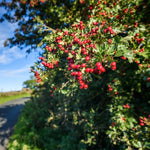
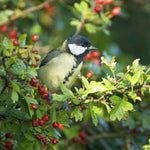
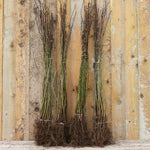
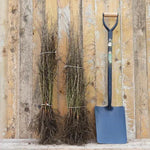
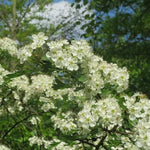
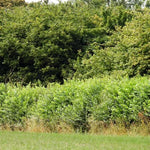
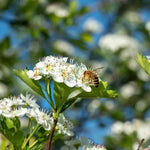
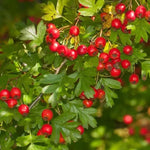
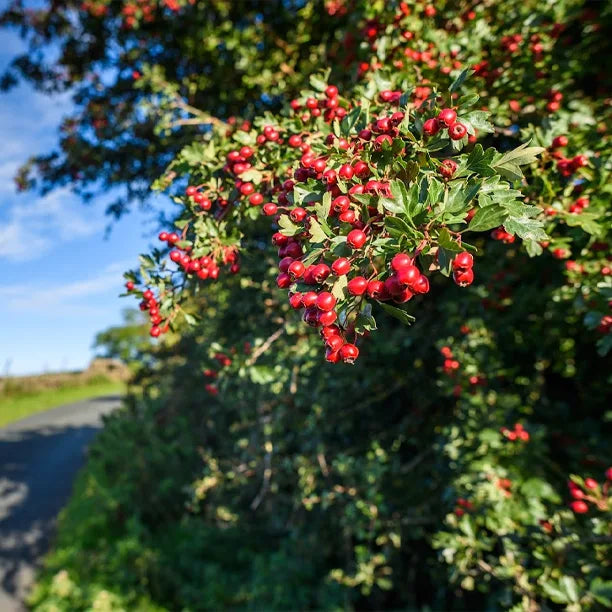
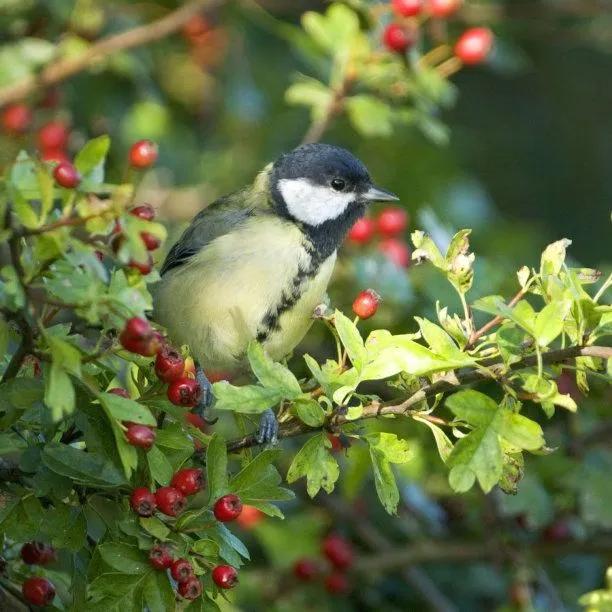
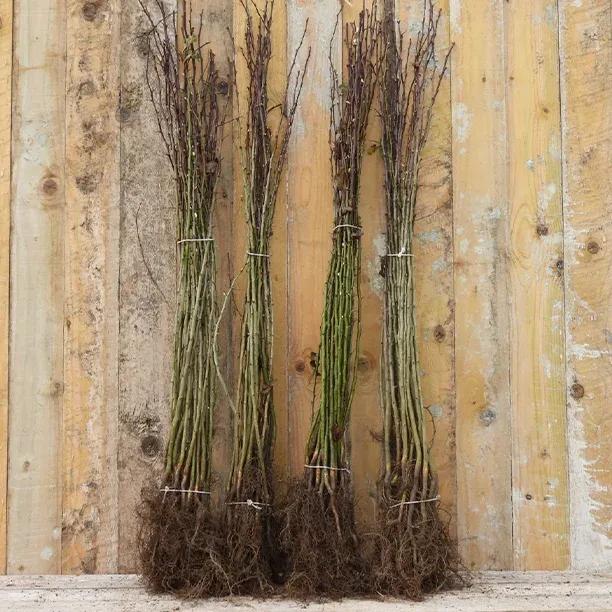
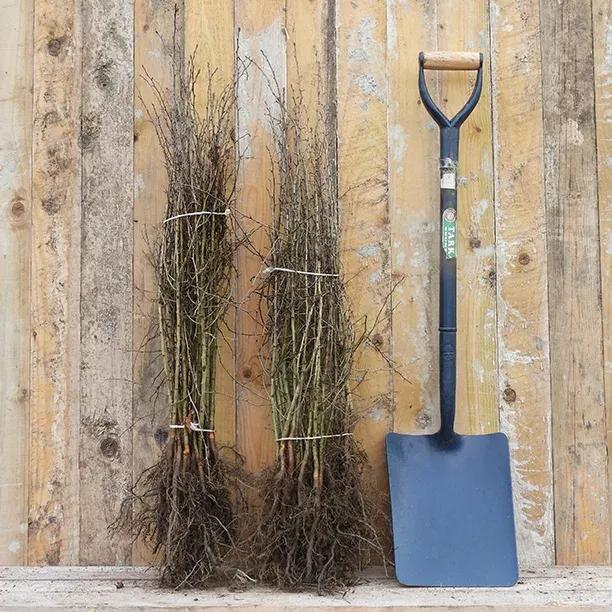
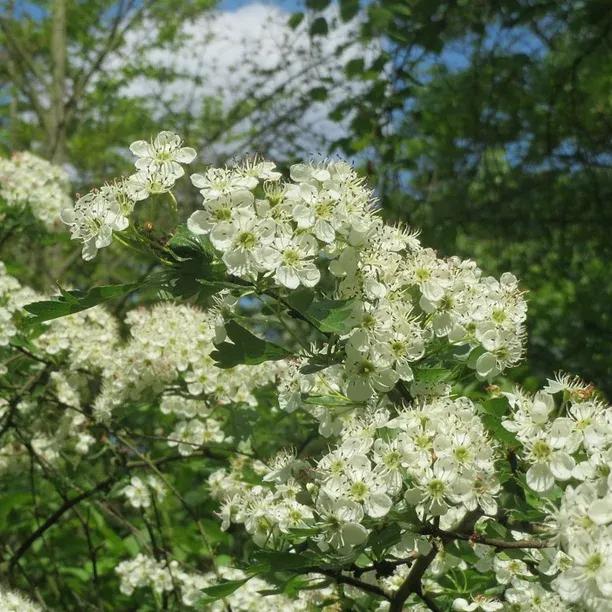
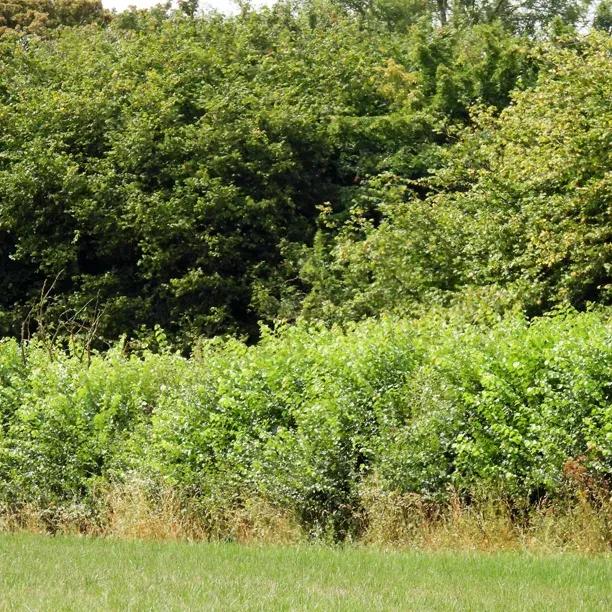
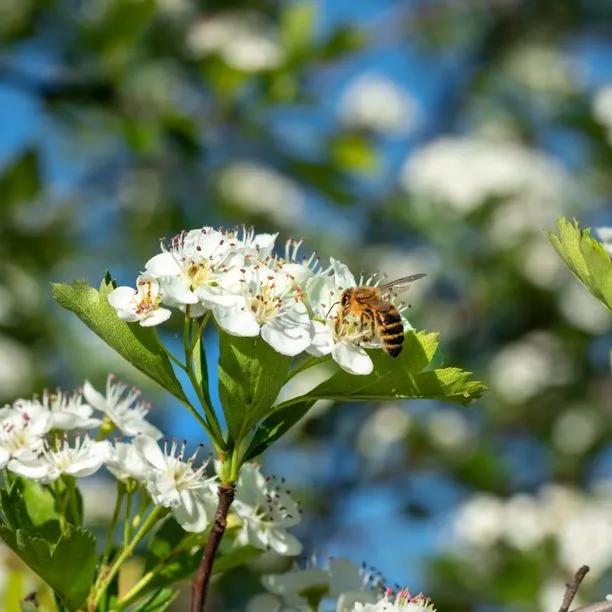
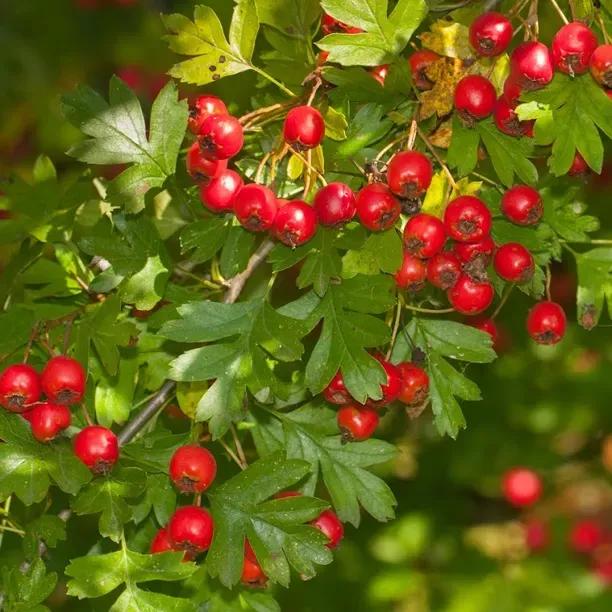





Hawthorn hedging (Crataegus monogyna) is Britain's classic stock-proof native — a fast, thorny, deciduous hedge that puts on 40–60cm a year and turns wind, livestock and intruders alike once it thickens up. It's frothy with white blossom in May, hung with red haws by autumn, and the backbone species behind almost every mixed native hedge we sell.
Give hawthorn a hard cut at planting — by about a third — and it responds by thickening from the base rather than racing upward and leggy, which is exactly what a stock-proof hedge needs. It's the one native exception to the usual "never cut back hard at planting" rule that governs beech, hornbeam and most other hedging: hawthorn wants it, and skipping the cut is the single most common reason a new hawthorn hedge stays thin and gappy at the bottom.
Once established, there's remarkably little hawthorn won't grow through. We've seen it thriving on a raised mound barely above the water table in a bog, on salt-blasted sand just behind a beach, and wedged between industrial units getting perhaps three hours of midsummer sun. It's slower in full shade than hazel or privet, and it won't grow at true water level like willow or dogwood — but short of that, hawthorn shrugs off conditions that would set most hedging back.
"Haw" — the fruit, and the root of "hawthorn" itself — comes from the Old English word for hedge, so the plant is named after the very thing it makes. The blossom gave English its "May": Shakespeare's "rough winds do shake the darling buds of May" and the old saying "ne'er cast a clout till May be out" both mean the same thing — don't put away your winter coat until the hawthorn is actually flowering, calendar be damned. "Quickthorn" tells the trade's own origin story: a "quickset" hedge is one grown from living, rooted plants rather than built dead from timber — quite literally the birth of the nursery trade Ashridge belongs to.
Wildlife makes the strongest case for it. A single hawthorn supports more than 300 insect species — among the highest counts of any British hedge plant — feeding birds, moths and pollinators through spring blossom, summer leaf and autumn haws (Woodland Trust). It's also one of the few plants named outright in police-backed Secured by Design guidance on defensive planting: a thorny hawthorn hedge under a window does a job no fence can (Secured by Design).
Hawthorn is a mixer by nature — it's rarely planted alone in the countryside, and it shouldn't be in the garden either. It pairs constantly with hazel, its most frequent partner in the wild and in our own mixes, and with blackthorn, the other classic thorny matrix species. If you'd rather not choose species yourself, our mixed conservation hedging pack builds hawthorn into a ready-made native scheme. For extra spring interest at the hedge foot, naturalised bulbs such as our naturalising daffodils flower before the hawthorn leafs up. Browse the full hedging range to plan a mixed scheme.
Ashridge hedging is grown under contract by specialist UK growers, to our own specification — never surplus stock diverted from elsewhere. We're one of the UK's largest sellers of bareroot hedging, so stock is lifted to order and moves fast. Bareroot hawthorn, planted and cared for correctly, is guaranteed to grow for 12 months. Established 1949.
For a single row, plant 3 per metre (roughly 33cm apart). For a thicker, stock-proof or grant-compliant hedge, use a staggered double row at 6 per metre, with the two rows about 40cm apart and plants offset in a zigzag.
Bareroot hawthorn plants from November to April, while the plants are dormant. Our cold store keeps stock genuinely dormant well into spring, so a March or early April delivery is not too late.
Yes — cut new hawthorn plants back by about a third straight after planting. This is the one common exception to the usual advice against hard cutting at planting, and it's what makes a hawthorn hedge thicken from the base instead of growing thin and leggy.
Farmland hedges may not be cut between 1 March and 31 August, to protect nesting birds. Garden hedges are exempt from this legal ban, though an active nest is always protected wherever it's found.
Yes. Hawthorn is the classic stock-proof choice and is safely grazed by livestock — it's the backbone of our livestock-friendly hedging pack, unlike thornier or more toxic species that need keeping away from grazing animals.
Hawthorn is a constituent of most of our mixed native packs, including the conservation, countryside stewardship and livestock-friendly packs — it's the most widely used matrix species across our mixed hedging range.




 Sign In
 Saved items