

Sold as:

from £10.95

Sold as:
from £19.99
 5 Star Service Rating




 Secure, One-Tap Checkout
 5 Star Feefo Rating
 Hand Picked, Delivered to Your Door!
 1 Year Bareroot Guarantee
 Platinum Trusted Service Award 2026
 Mail Order Plant Experts - Est. 1949
 1 Year Bulb Guarantee
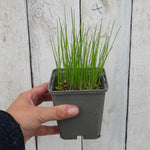

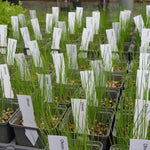

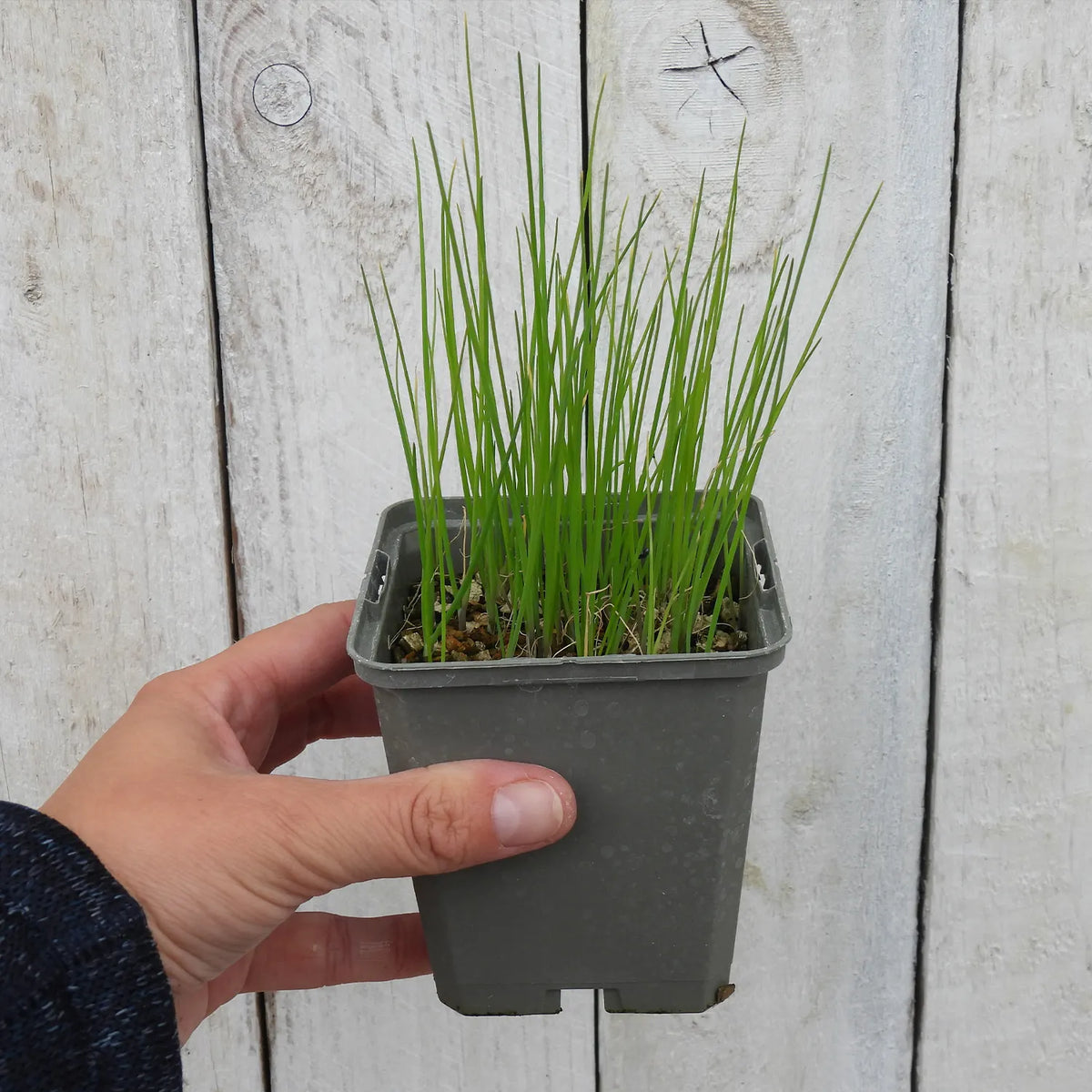
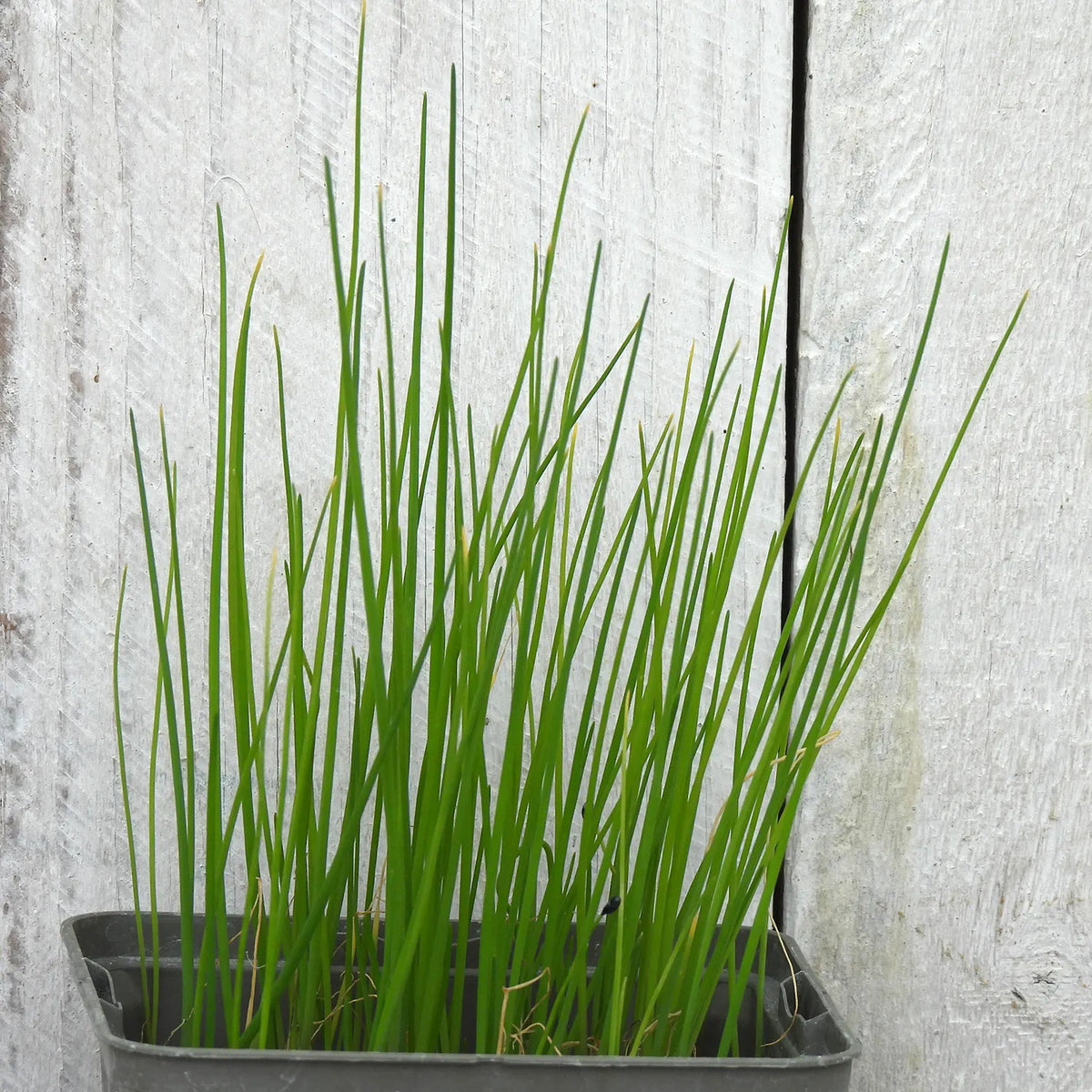
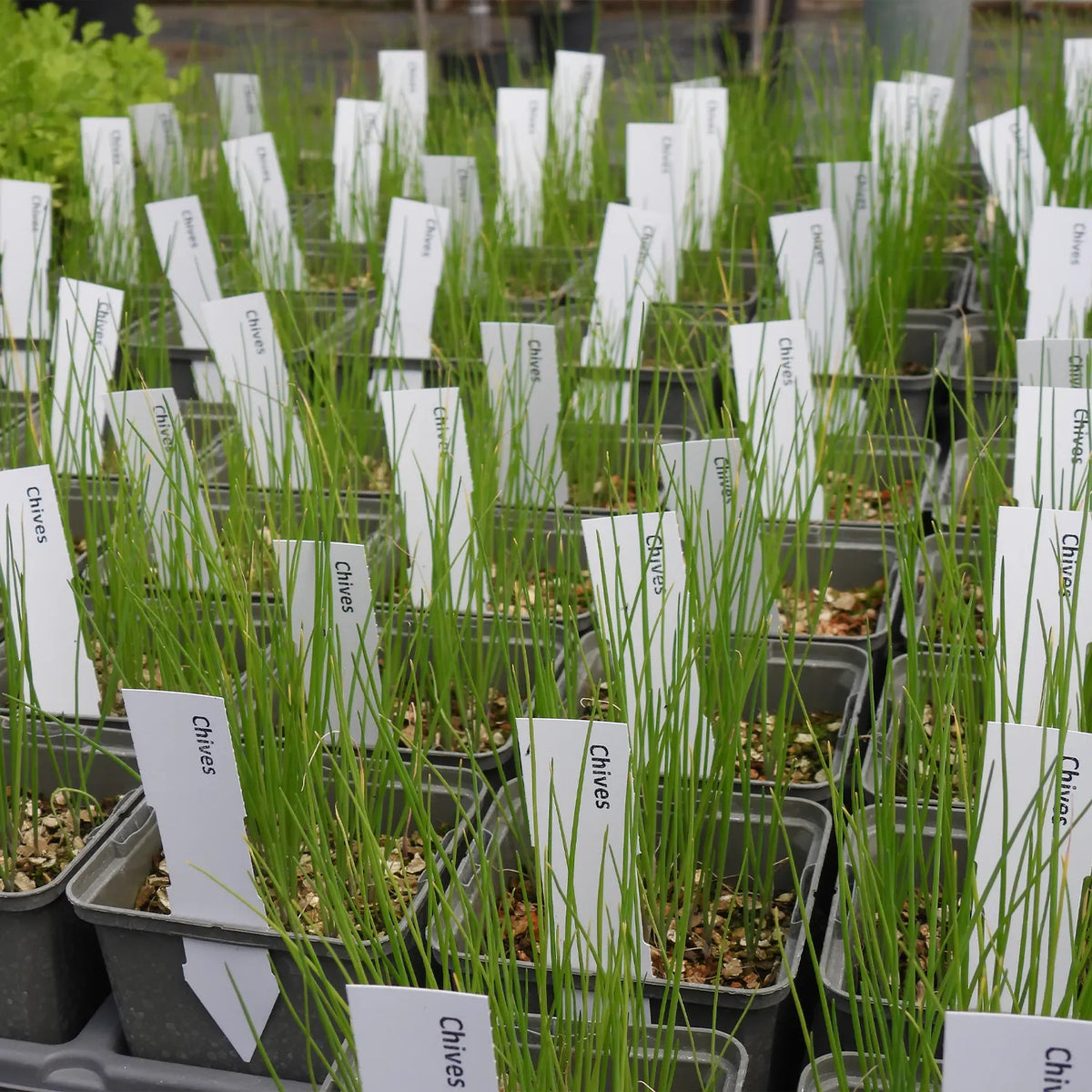




Chives are the easiest and most reliable herb in the kitchen garden: a fully hardy perennial that returns every year, produces edible purple flowers in spring, and asks almost nothing in return.
Chives are the only member of the onion family found wild across three continents: Europe, Australia, and North America. Despite this ancient heritage, they weren't cultivated in European gardens until the 16th century. In China they were a favourite as long ago as 3,000 BC, valued for their mild onion flavour and used as an antidote to poison and to stop bleeding. Their culinary virtues were first reported to the West by Marco Polo. Say no more.
As a garden plant, chives ask almost nothing. They're fully hardy to H7, the hardiest rating the RHS gives, covering the Scottish Highlands, and it dies back in winter to re-emerge reliably each spring. Full sun or partial shade, any reasonable soil that doesn't waterlog, and they get on with it. Divide the clumps every three years to maintain vigour; beyond that, the main task is harvesting, which the plant actively benefits from. Cut the whole clump back to 5cm above the soil and fresh growth returns within a fortnight.
The flowers are edible and worth having. They appear in May and June: purple globes on stems above the leaves, working beautifully scattered over salads and soft cheeses. Don't deadhead them all; let a few go to seed and volunteer plants will follow.
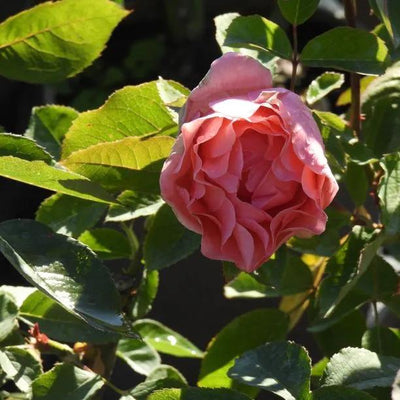
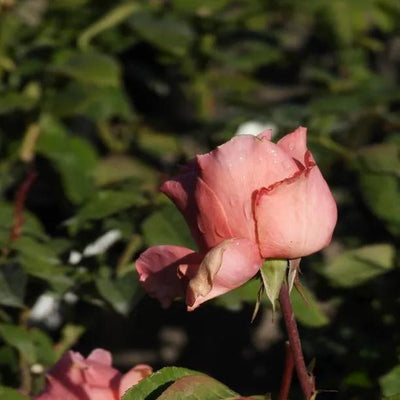
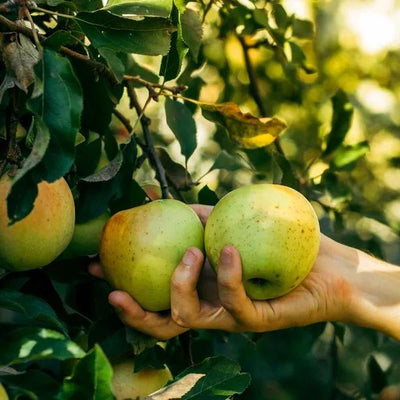
Chives planted next to roses are said to reduce black spot; next to apple trees, to help suppress scab. The mechanism (sulphurous compounds deterring fungal spores) is plausible and the combination looks well regardless. In the herb garden, chives sit naturally alongside flat-leaf parsley and French tarragon, completing the classic fines herbes quartet. For more aromatic companions, see our lavender range.
Our chives are hand-sown by our team, grown without neonicotinoids, and arrive in recycled pots. A perennial that returns each year and divides into more plants than you started with: good value in every sense. We guarantee every plant.
Yes. Fully hardy (H7), they die back in winter and re-emerge reliably each spring. One well-maintained plant, divided every three years, keeps producing indefinitely and gives you more plants to spread or give away with each division.
Yes, and they do it well. A 15cm pot is sufficient for a small clump; 20–25cm supports a larger, more productive one. Divide every two or three years even in pots, as a congested clump produces less. One of the best herbs for a kitchen windowsill.
Yes, and they're one of the pleasures of growing chives. The purple flowers in May and June have a mild onion flavour and look beautiful scattered over salads, soft cheese, or eggs. Pick them just as they open for the best flavour and colour.
Cut the whole clump back to about 5cm above the soil using scissors or shears. It looks severe but fresh growth follows within two weeks and total harvest is far greater than picking individual blades. Do this two or three times through the season for the most productive plant.
Common chives (Allium schoenoprasum) have hollow round leaves and a mild onion flavour. Garlic chives (Allium tuberosum) have flat leaves and taste more of garlic. Both are useful kitchen herbs; we grow the common form, which is more versatile across a wider range of dishes.


 Sign In
 Saved items