


Sold as:

from £10.95

Sold as:
from £19.99
 5 Star Service Rating




 Secure, One-Tap Checkout
 5 Star Feefo Rating
 Hand Picked, Delivered to Your Door!1 Year Bareroot Guarantee
 Platinum Trusted Service Award 2026
 Mail Order Plant Experts - Est. 1949
 1 Year Bulb Guarantee
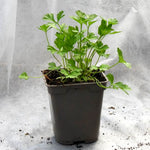
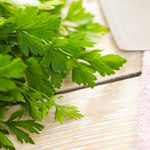


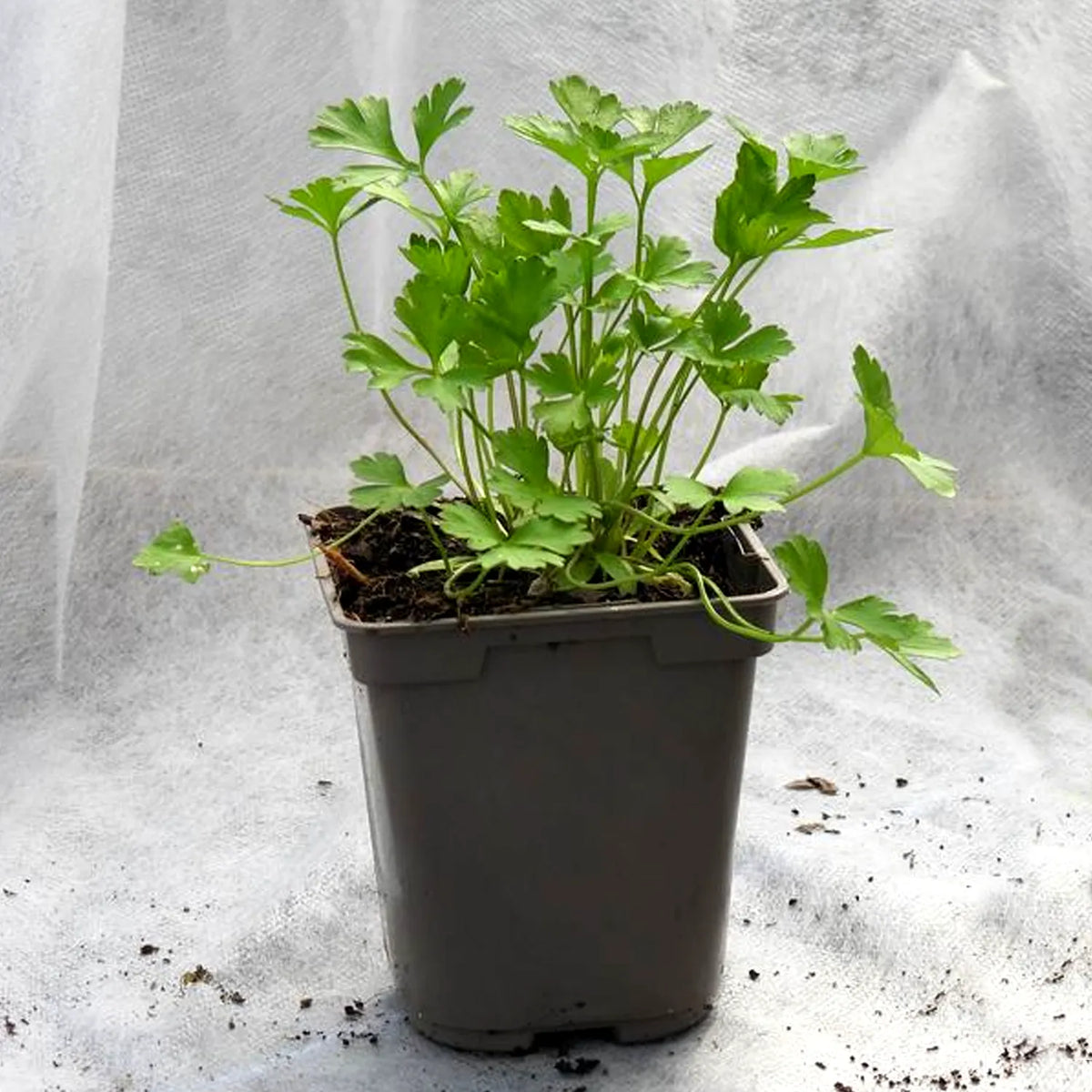
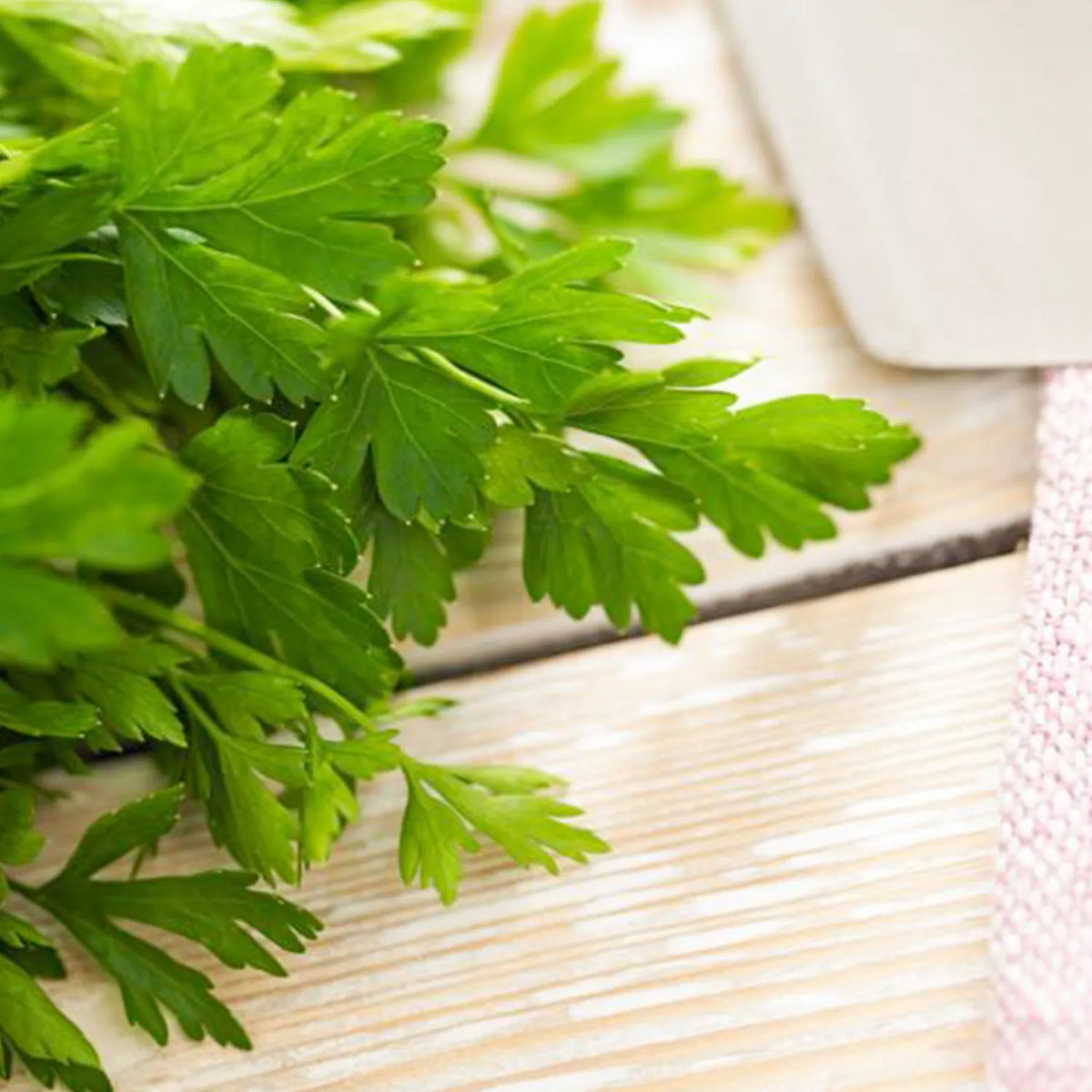
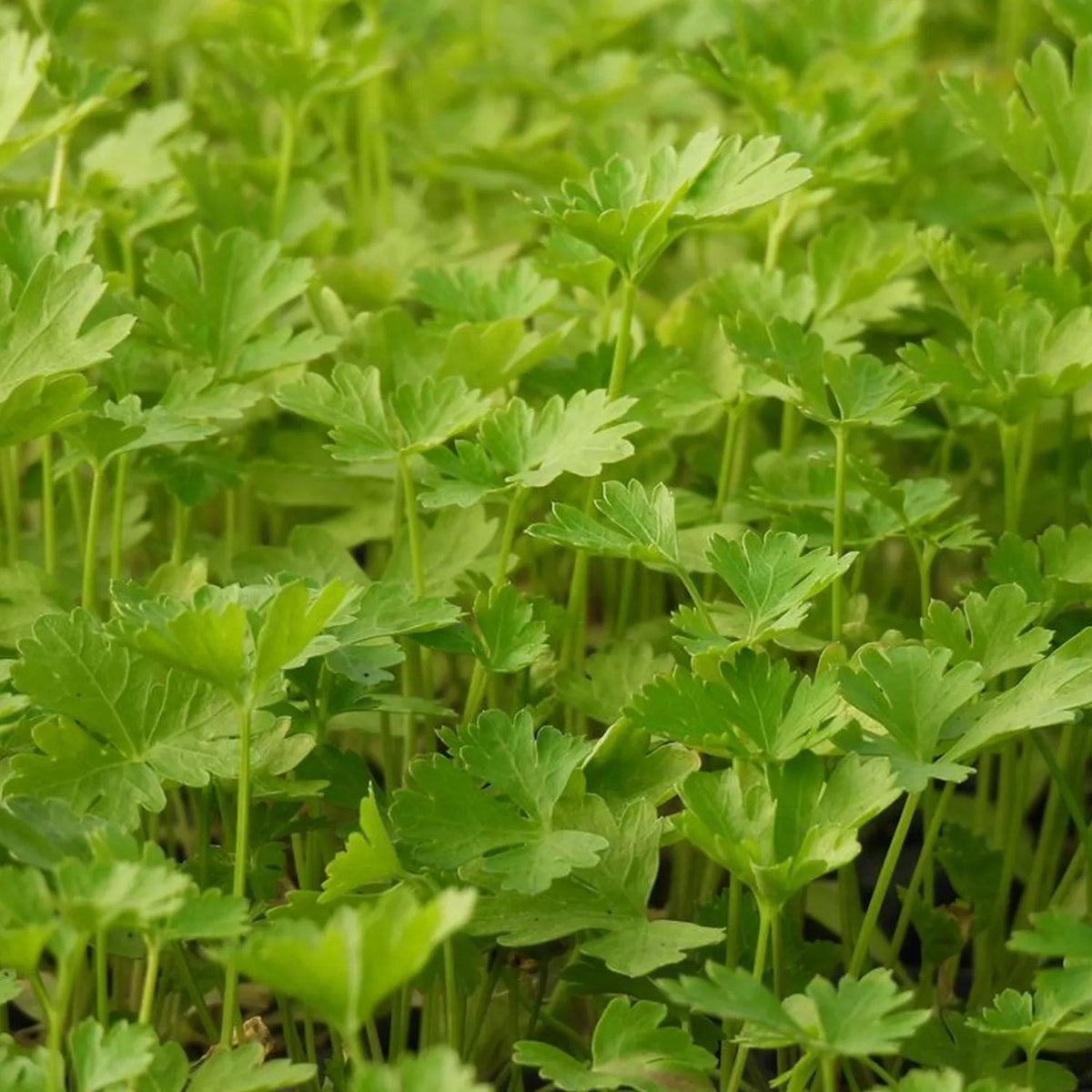



The parsley most cooks actually want: flat-leaf, with a stronger and more complex flavour than curly, and none of the tired garnish associations it deserves to leave behind.
The ancient Greeks associated parsley with Archemorus, the Herald of Death, and used it to decorate tombs. In Britain, folk wisdom held that only a witch or a pregnant woman could grow it successfully, and that a fine crop was only assured if the seeds were planted on Good Friday. Starting with a plant rather than a seed sidesteps the mythology entirely and gets you straight to the harvest.
Flat-leaf parsley is biennial: it produces leaves in its first year, then runs to flower and seed in its second before dying. In practice, almost everyone treats it as an annual, replacing plants each season. Given how hard it harvests through summer and autumn, that's no great hardship. Pick regularly, cutting whole stems from the outside of the plant, and it keeps producing fresh growth from the centre until the cold stops it.
It's more forgiving than its reputation suggests. Full sun or partial shade, reasonably moist soil, and regular watering through dry spells. That's the whole of it.
In the kitchen, flat-leaf parsley is one of the classic fines herbes alongside French tarragon and chives, all worth growing together. Curly parsley makes a natural companion for anyone who wants both forms to hand. For the full kitchen herb collection, see all our herb plants.
Our flat-leaf parsley plants are hand-sown by our team, grown without neonicotinoids, and arrive in recycled pots. Nothing is bought in. We guarantee every plant.
For cooking, yes. Flat-leaf has a stronger, more complex flavour and holds up better in heat. Curly parsley (our Bravour) is milder and more decorative. Most cooks use flat-leaf for anything cooked, curly for finishing and garnishes. Grow both if you have the space.
No. It's biennial: leaves in year one, flowers and seed in year two, then done. In practice, replace it each season rather than carrying it through; it's more productive and less likely to bolt in its first year.
Yes. Use a 20cm+ pot, keep it consistently moist, and harvest regularly from the outside in. Parsley dries out faster in a pot than in the ground and bolts quickly when stressed by drought: watering is the key.
Most likely causes: too dry, too wet (root rot), or running to seed. Cut back hard if it's starting to bolt; fresh growth often follows. If the soil stays waterlogged, improve drainage and ease off the watering.
April to September. After mid-May it goes straight outside without cover. Water in well and keep moist until established, as parsley is slow to settle after transplanting and needs consistent moisture through its first two weeks.


 Sign In
 Saved items