


Sold as:

from £6.99

Sold as:
from £19.99
 5 Star Service Rating




 Secure, One-Tap Checkout
 5 Star Feefo Rating
 Hand Picked, Delivered to Your Door!
 1 Year Bareroot Guarantee
 Platinum Trusted Service Award 2026
 Mail Order Plant Experts - Est. 1949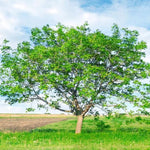
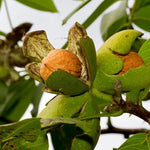
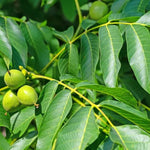
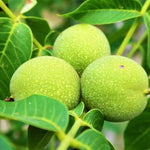
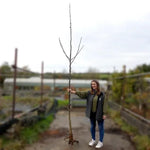



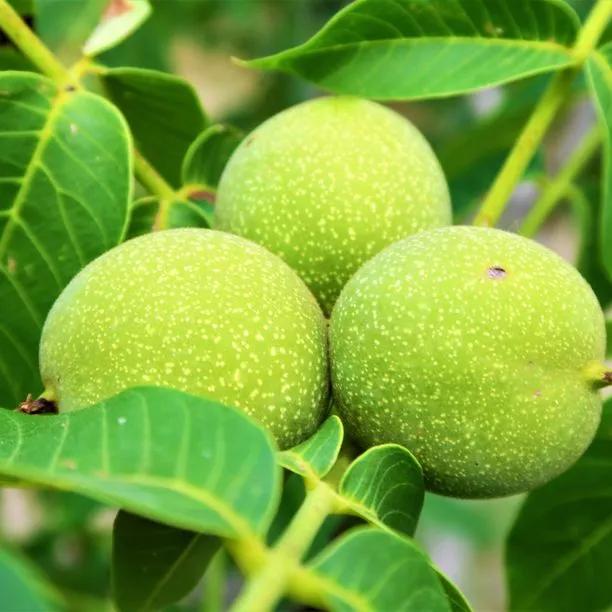





Juglans regia as an ornamental standard is a considered purchase: a tree for a place, a generation, and a landscape. The trunk is grey and deeply furrowed even on relatively young trees. The leaves are large and pinnate, emerging bronze in April, the last of the common trees to break dormancy, and carrying a warm, distinctive fragrance when you brush past them on a dry day. Autumn colour is a clear, unhurried yellow-gold. In time, a walnut standard becomes one of those trees people drive past slowly.
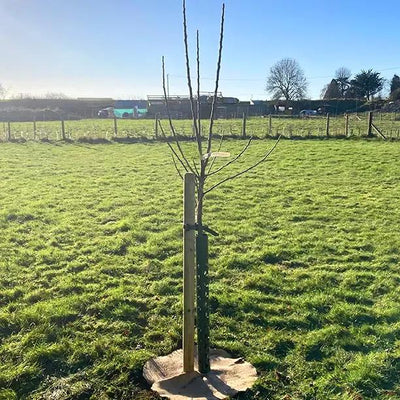
Standards are sold by girth: the circumference of the trunk at 1m above the ground, not by height. A 6/8cm girth tree has a trunk 6-8cm around; an 8/10cm tree has a trunk 8-10cm around. This tells you something real about the maturity of the tree: the 8/10cm arrives with a more substantial stem and a more established crown, and it looks the part immediately. Most walnut standards stand 2-3m tall on delivery, though we can't specify height precisely; it varies tree to tree.
Walnuts come slowly on a standard. These are ornamental trees first; the nuts are a pleasant consequence of maturity, typically arriving a decade or so after planting. If you want a cropping nut tree in the near term, our Buccaneer Walnut in a pot is a different proposition: a named selection that fruits in 3-5 years and stays at 6-8m. The standard common walnut is for the longer game.
The name says more than it appears to. Juglans is a contraction of Jovis glans ('Jupiter's nut'), because the Romans considered the walnut kingly enough for the king of gods. Regia means royal. The word walnut itself comes from the Old English wealhhnutu: foreign nut, to distinguish it from the native hazel. It is native to a broad band from southeastern Europe through to the Himalayas, and the Romans almost certainly brought it to Britain, though it was first recorded growing wild here as late as 1836, nearly two thousand years after they arrived. It has had time to settle in.
Walnuts produce juglone, a natural compound that inhibits some plants in their root zone, so companions need to be chosen with some care. What they cannot tolerate: most of the vegetable garden, rhododendrons, and apple trees. What they are happy with, and what actually looks good with them: daffodils are the natural choice. They naturalise under a walnut canopy without complaint, flowering freely in March and April before the walnut's own leaves have opened, filling the space underneath with yellow before the tree has cast a leaf. Our daffodil and narcissus range includes the varieties that work best in grass and for naturalising. Later in the year, ornamental grasses hold their own alongside walnut without difficulty; our ornamental grass collection includes forms that give height and movement through summer and autumn. For a parkland planting, sweet chestnut (Castanea sativa) makes a fine companion tree: same scale, same generous autumn presence, but earlier to fruit and with candles of cream flower in July that the walnut doesn't offer. Our chestnut trees are in the same size range.
We source our walnut standards from specialist bareroot tree nurseries, graded to ensure the root system arrives in good condition and ready to establish. All plants guaranteed. Which? Gardening named us Best Plant Supplier, driven by customer recommendations. See our full ornamental standards range.
Girth is the circumference of the trunk measured at 1m above the ground: the tree's waist measurement, not its height. A 6/8cm girth tree has a trunk 6-8cm around at that point; an 8/10cm tree has a trunk 8-10cm around. Larger girth means a more established, more substantial tree on the day it arrives. Ultimate height is the same for both.
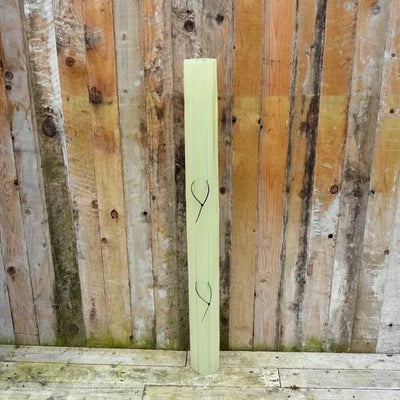
November to March, during full dormancy. Autumn planting gives roots time to settle before the first growing season; late winter planting works well too. Avoid planting in frozen or waterlogged ground. Stake firmly and keep a weed-free metre around the base through the first summer; walnut establishment can be slow and it needs all the help it can get in year one.
Not really. Common walnut reaches 15-20m in a garden setting, spreads widely, and its root zone produces juglone which affects nearby plantings. It needs space and a degree of isolation from the rest of the garden. For a smaller site, our pot-grown Buccaneer Walnut reaches 6-8m and is a more manageable proposition.
Our walnut saplings are small bareroot whips: cheap, lightweight, and ideal for planting in quantity for hedgerows, woodland edges, or large-scale schemes. Standards are established ornamental trees with a clear trunk and a formed crown, priced accordingly, and suitable where immediate presence matters: a specimen position in a garden, a feature in a lawn, or an avenue planting.
Common walnut carries male and female flowers on the same tree and will produce some nuts alone. Yield improves with another walnut within range for cross-pollination, but a single specimen will fruit in time. The main constraint isn't pollination: it's patience. On a standard tree, expect to wait around 10 years for a meaningful crop.






 Sign In
 Saved items