Sold as:

from £10.95

Sold as:
from £19.99
 5 Star Service Rating




 Secure, One-Tap Checkout
 5 Star Feefo Rating
 Hand Picked, Delivered to Your Door!
 1 Year Bareroot Guarantee
 Platinum Trusted Service Award 2026
 Mail Order Plant Experts - Est. 1949
 1 Year Bulb Guarantee


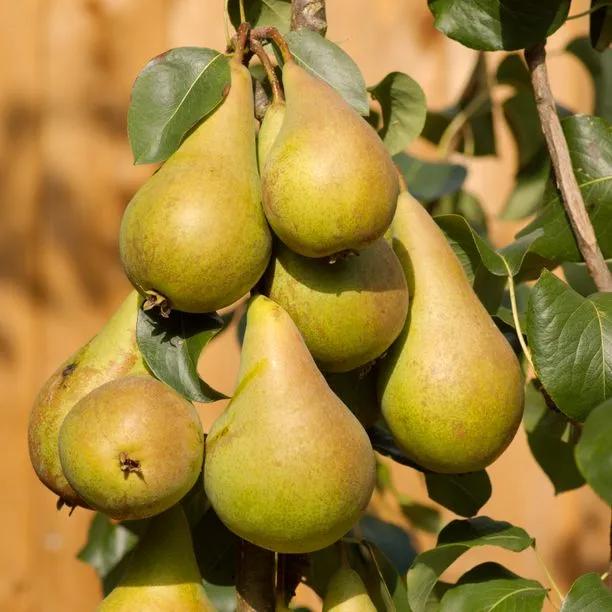
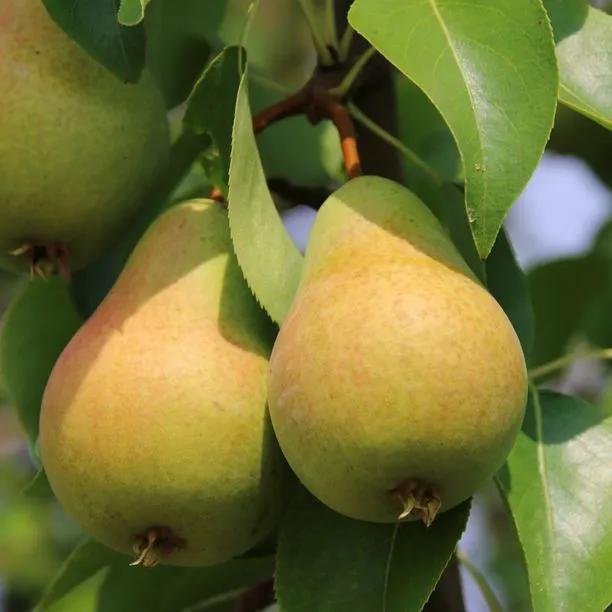
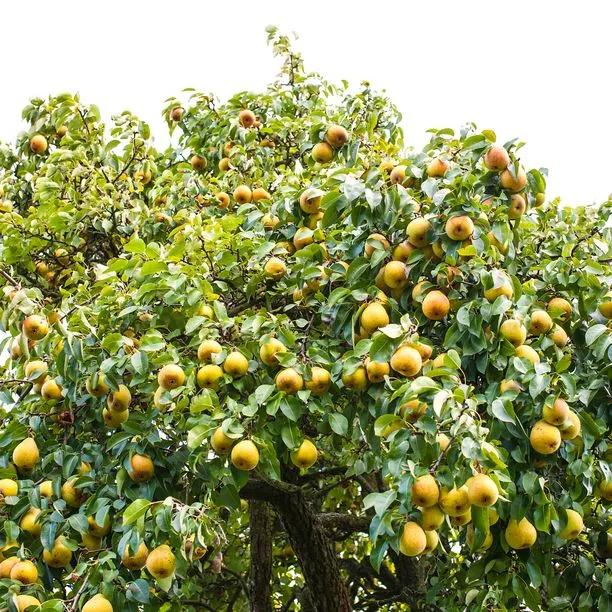
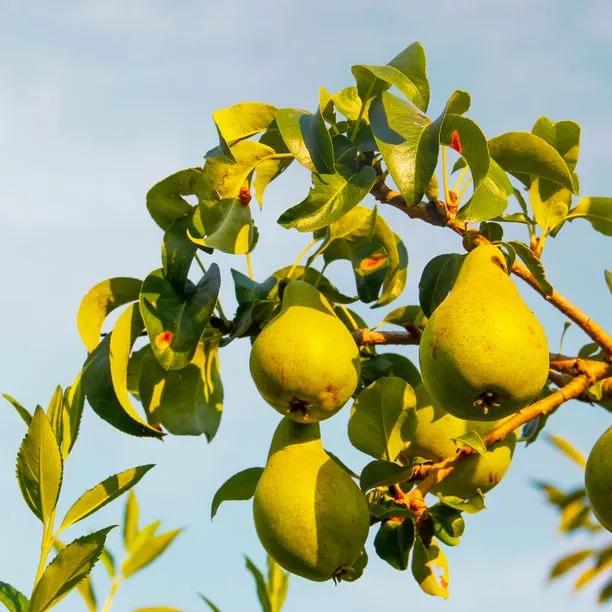
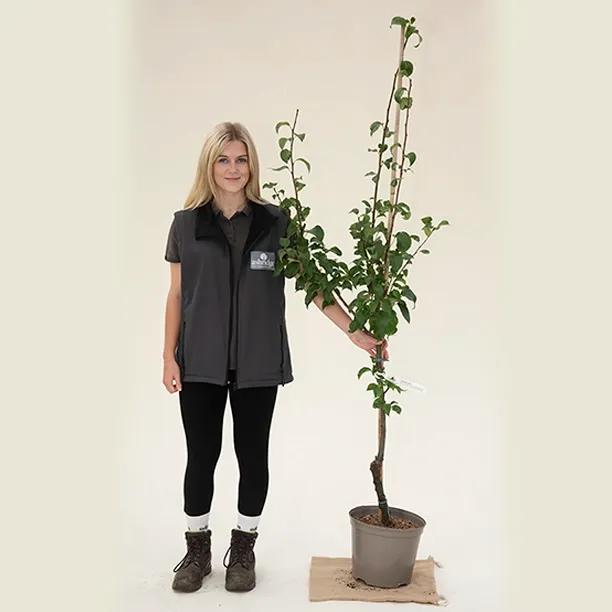




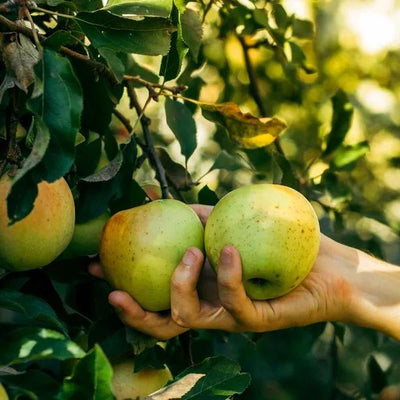
Concorde is a compact dessert pear bred from Conference and Doyenne du Comice, in season from October to November. It is partially self-fertile in pollination group D, grows to about 3 to 4 metres on Quince A, trains well on wires and holds the RHS Award of Garden Merit.
'Concorde' is a popular pear with gardeners. The sweet, soft fruit are good quality and store well. The crop size on a mature tree is excellent. Concorde trees are ideal for growing on wires as an espalier or cordon etc as they have very flexible side shoots. As a pear it has many of the qualities of Conference and of Doyenne du Comice (which are its two parents). A really sensible choice for an all round eating pear.
Browse our range of pear trees or see the full variety of fruit trees.
Pollination Partners for Concorde:
To make fruit, most pear trees need to be pollinated by another variety. Concorde will bear some fruit on its own, but still needs a partner for the best crops.
Concorde is in pollination group D.
This means that it can cross-pollinate with trees in Groups C & D.
Please see our guide to Pollinating Pear Trees for a full list of partners for Concorde.
Growing Concorde Pear Trees:
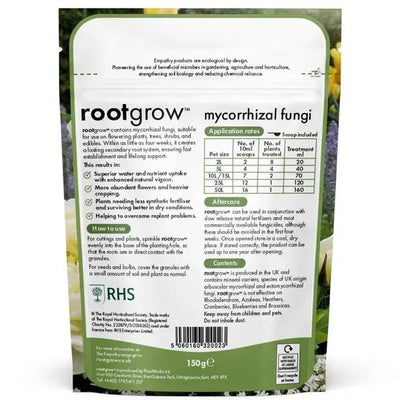
Rich soil is important: dig in plenty of good manure and compost before planting. Soil drainage must be good. The more sun your trees get, the better your crops will be. Always plant using Rootgrow.
Details about delivery sizes: Guide to Fruit Tree Sizing.
Bred at the East Malling Research Station, where the cross was made in 1968 and the seedling selected in 1977, from Conference and Doyenne du Comice.
Conference and Doyenne du Comice, its parents, are both good partners and are linked above. Winter Nelis and Glou Morceau share group D, and Beth and Beurre Hardy are in group C next door. Dust bareroot roots with Rootgrow as you plant.
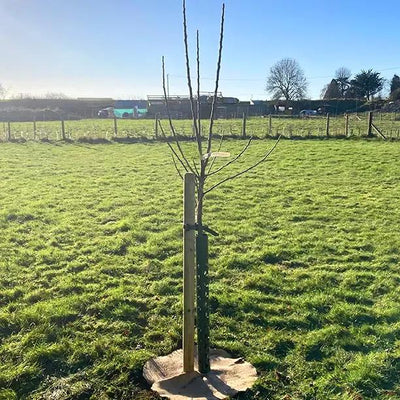
Ashridge has sold trees since 1949. Your bareroot Concorde is field grown specifically for us on Quince A and lifted fresh to order, and maidens are pre-pruned before despatch. Bareroot trees are guaranteed for 12 months, and so is a potted tree delivered leafless between November and March.
It is partially self-fertile, so it sets some fruit alone and crops best with a partner from group C or D. Avoid the triploid Merton Pride, which pollinates nothing.
On Quince A, about 3 to 4 metres as a bush. Any higher figure depends on the rootstock; all our pears are on Quince A.
They are in season from October to November. Pears ripen off the tree: pick them while they are still hard and ripen them indoors, and you avoid a gritty pear.
Yes. It is a spur bearer with flexible side shoots, so it suits wires well. Buy a maiden for this: we pre-prune it before despatch for the form you choose.
In a sheltered, sunny position in deep, fertile, fairly neutral soil. It will not thrive on very acid soil, on shallow chalk, or in shade for more than half the day.
A maiden is a young tree, pre-pruned before despatch for the shape you want to grow. Bush and half-standard trees are older and already shaped, and the half-standard has the taller trunk.
Bareroot trees are delivered from November to April, while they are dormant. Pot-grown trees can be delivered and planted in any month when you find them in stock.






 Sign In
 Saved items