



Sold as:

from £10.95

Sold as:
from £19.99
 5 Star Service Rating




 Secure, One-Tap Checkout
 5 Star Feefo Rating
 Hand Picked, Delivered to Your Door!1 Year Bareroot Guarantee
 Platinum Trusted Service Award 2026
 Mail Order Plant Experts - Est. 1949
 1 Year Bulb Guarantee
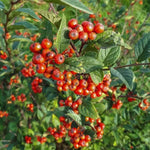
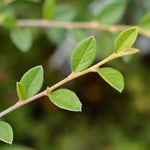
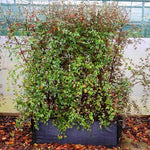
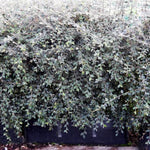
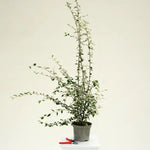

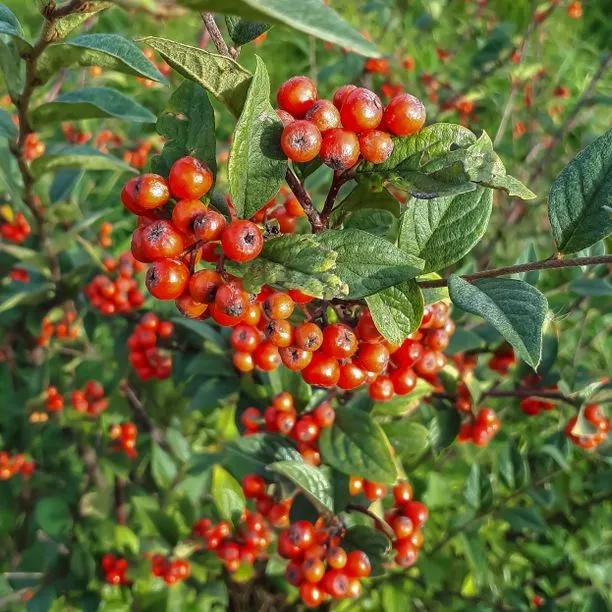
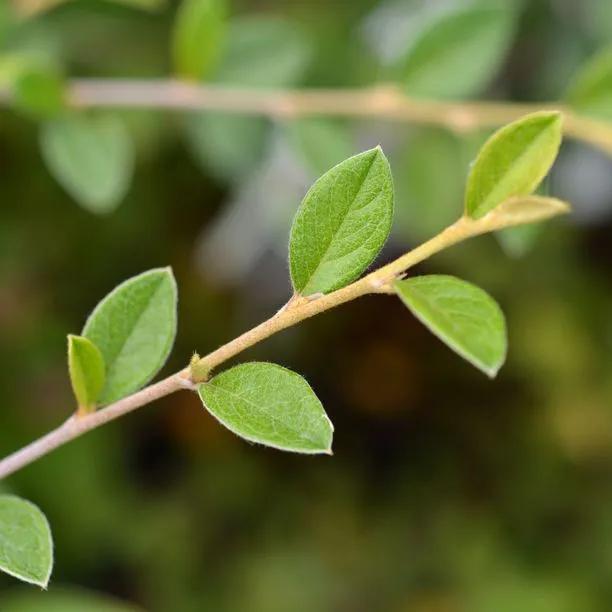
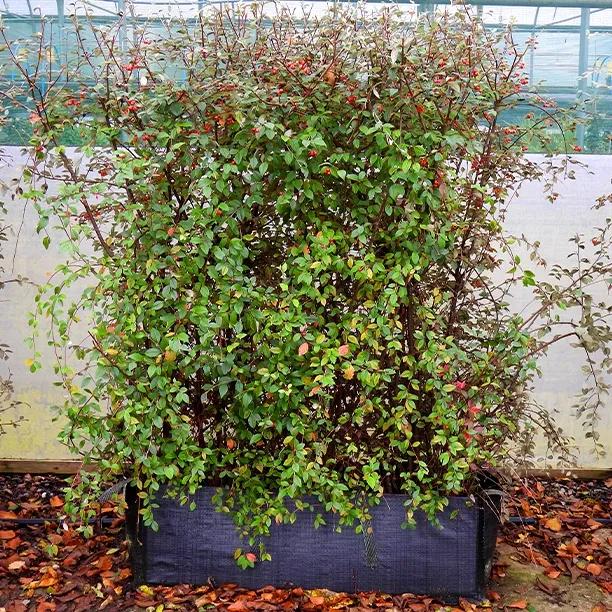
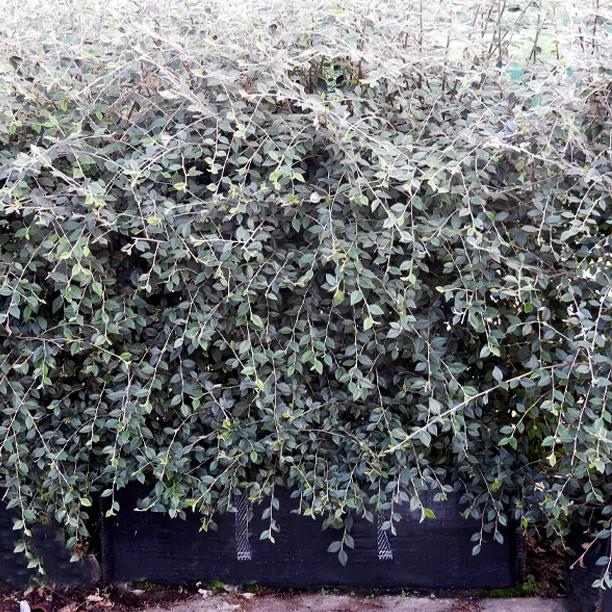
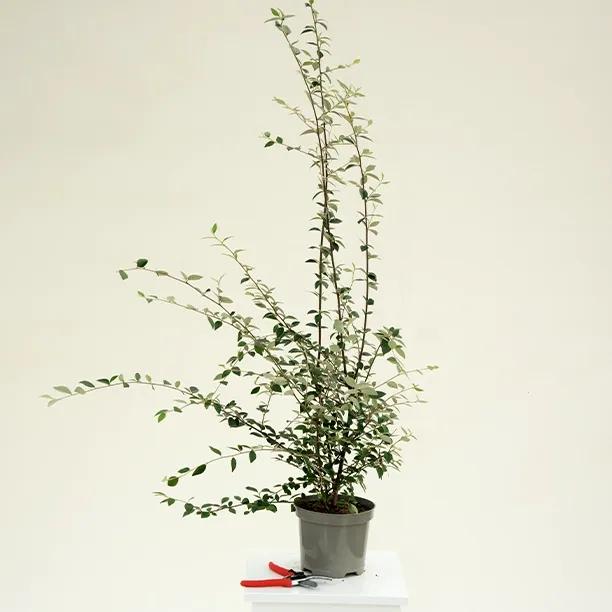




Cotoneaster franchetii makes a dense, tidy hedge of 2 to 3 metres with grey-green leaves, white early summer flowers and masses of orange-scarlet berries. It is semi-evergreen and unfussy about soil, and in tests beside busy roads its hairy leaves trapped more traffic pollution than any other hedge tried.
Cotoneaster franchetii is a medium sized, bushy shrub that makes a dense, attractive hedging plant. It's almost evergreen in the UK; it keeps its leaves in a mild winter and loses them, usually in late winter, if the weather is harsh. This is normal and doesn't hurt the plants. It has white flowers, tinged pink, in early summer, followed by masses of decorative orange berries in autumn. Its neat green foliage clips beautifully, so you can keep it looking very tidy.
In a study of roadside hedges, it trapped at least 20% more particulate pollution than the other hedges tested.
It's good for hedges up to about 2-3 metres high.
Browse all of our other varieties of Cotoneaster shrubs & trees, our selection of coastal hedging or our range of hedging plants.
Delivery season: Bareroot plants are delivered during late autumn and winter, approximately November-April inclusive. Pot-grown plants and troughs can be delivered in any month when in stock.
It's not fussy about soil as long as it isn't waterlogged, and it doesn't mind a bit of shade either. It likes heavy clay, and is widely planted in polluted inner city areas.
It's a well-behaved shrub for the back of a border, easy to keep looking tidy.
As hedging, it's often mixed with the Red Berried Cotoneaster Simonsii for a bit more colour.
Spacing a Cotoneaster franchetii hedge: Like most formal hedging, plant at 3 per metre, 33cm apart in a single row.
This is a Chinese plant that was brought to Europe in 1895 by the French Abbot Soulie.
It was the best of the hedges tested at trapping traffic pollution beside busy roads.
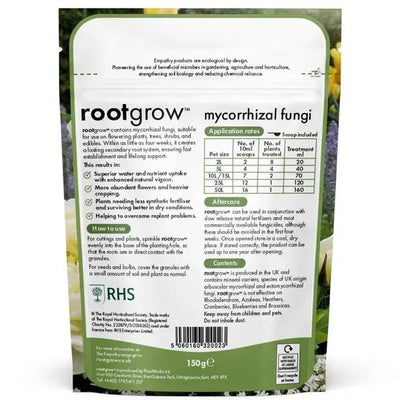
The usual partner is the red-berried Cotoneaster simonsii, linked above: this one is taller and greyer, with longer leaves, and it takes partial shade where simonsii wants sun. For a screen that never thins in winter, browse our evergreen hedging. Before you order, our guide to hedge spacing helps you count the plants. Dust bareroot roots with Rootgrow as you plant.
Hedging is not a sideline here: your Cotoneaster franchetii is grown for us as hedging by specialist growers. Bareroot plants are lifted to order while dormant and guaranteed for 12 months, and pot-grown plants and troughs can be planted in any month. Ashridge has sold plants since 1949.
Semi-evergreen. It stays in full leaf through a mild winter and thins in late winter after a hard one. That leaf drop is cosmetic, and the hedge refills in spring.
Beside a busy road, yes. Tests found that its rough, hairy leaves trapped at least 20% more particulate pollution than the other hedges tested. Away from traffic, plant a mixed hedge for wildlife.
It is not among the Cotoneasters listed on Schedule 9 for England and Wales, so it is legal to plant. Birds spread the seed, so pull up stray seedlings if you border open country.
As a clipped hedge, keep it at 2 to 3 metres. Left unpruned, it grows 2.5 to 4 metres tall and wide in 10 to 20 years.
After flowering. Trimming removes some of that year's berries from the cut face, so trim lightly if the berries matter to you.
Bareroot is the economical choice for a long run, planted from November to April. Pots and troughs cost more, and can be planted in any month for a quicker screen.
Bareroot plants are delivered from November to April, while they are dormant. Pot-grown plants can be delivered and planted in any month when you find them in stock.




 Sign In
 Saved items