


Sold as:

from £10.95


Sold as:
from £19.99
 5 Star Service Rating




 Secure, One-Tap Checkout
 5 Star Feefo Rating
 Hand Picked, Delivered to Your Door!
 1 Year Bareroot Guarantee
 Platinum Trusted Service Award 2026
 Mail Order Plant Experts - Est. 1949
 1 Year Bulb Guarantee
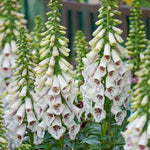
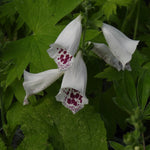
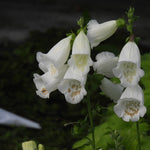
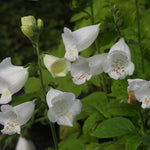
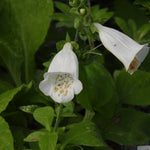



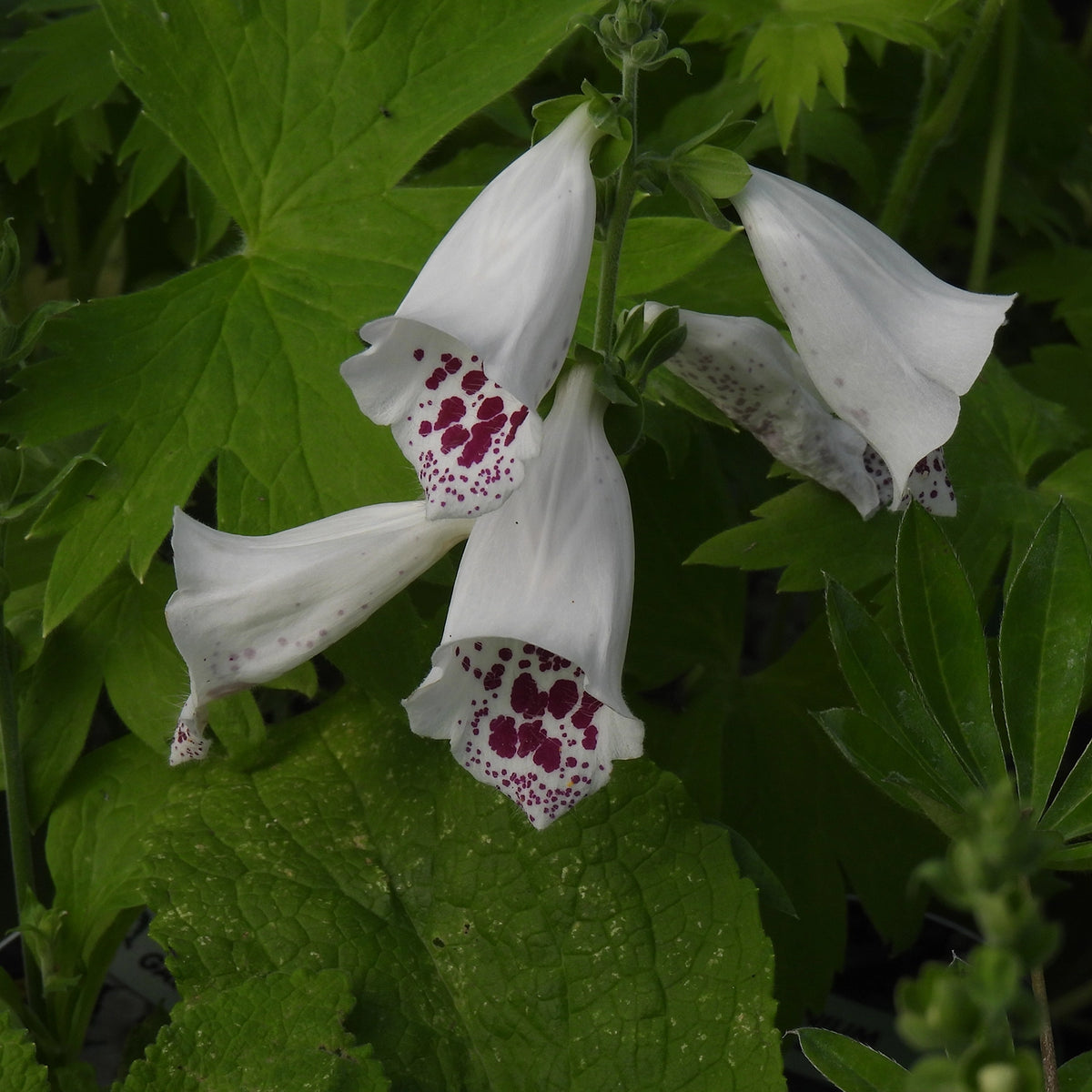
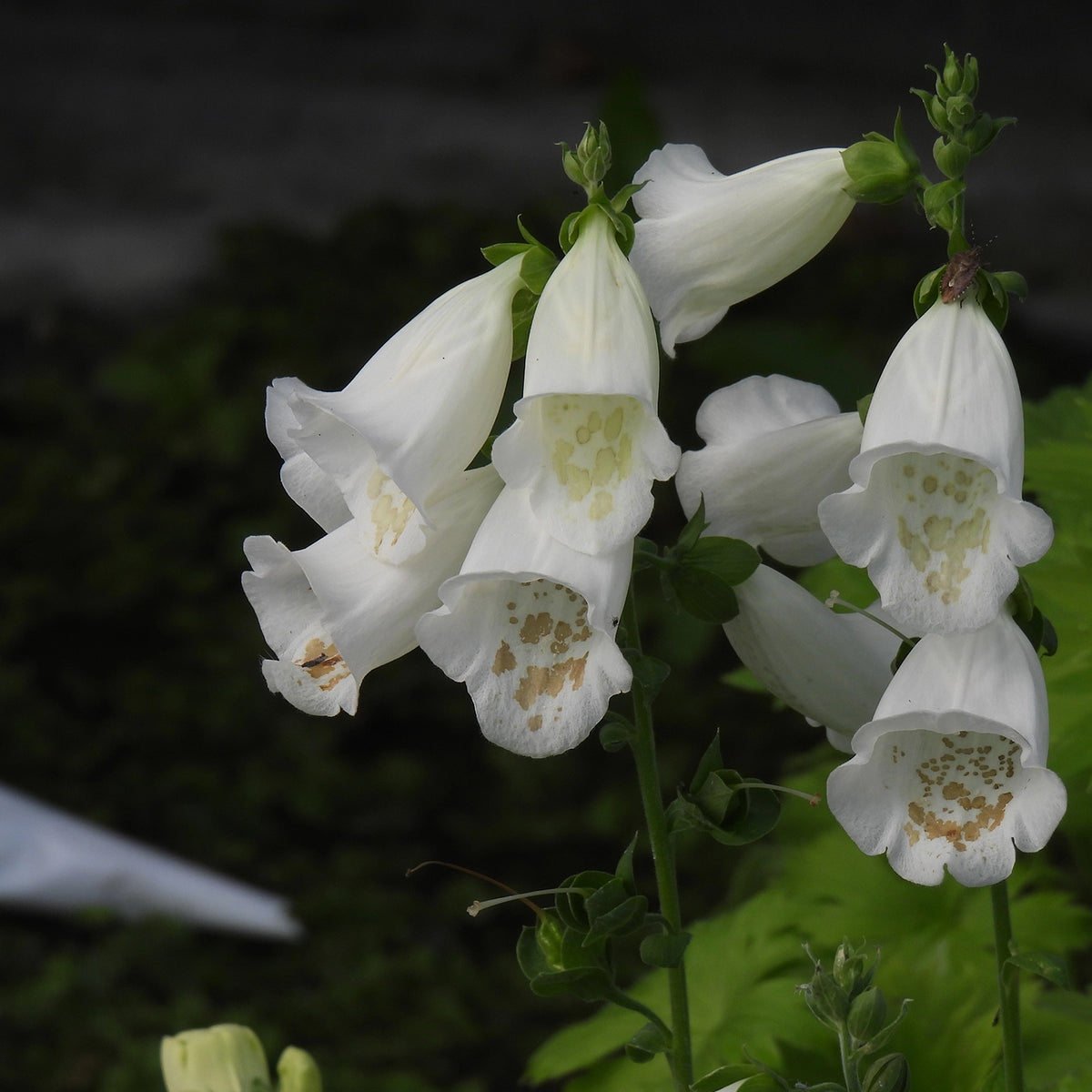

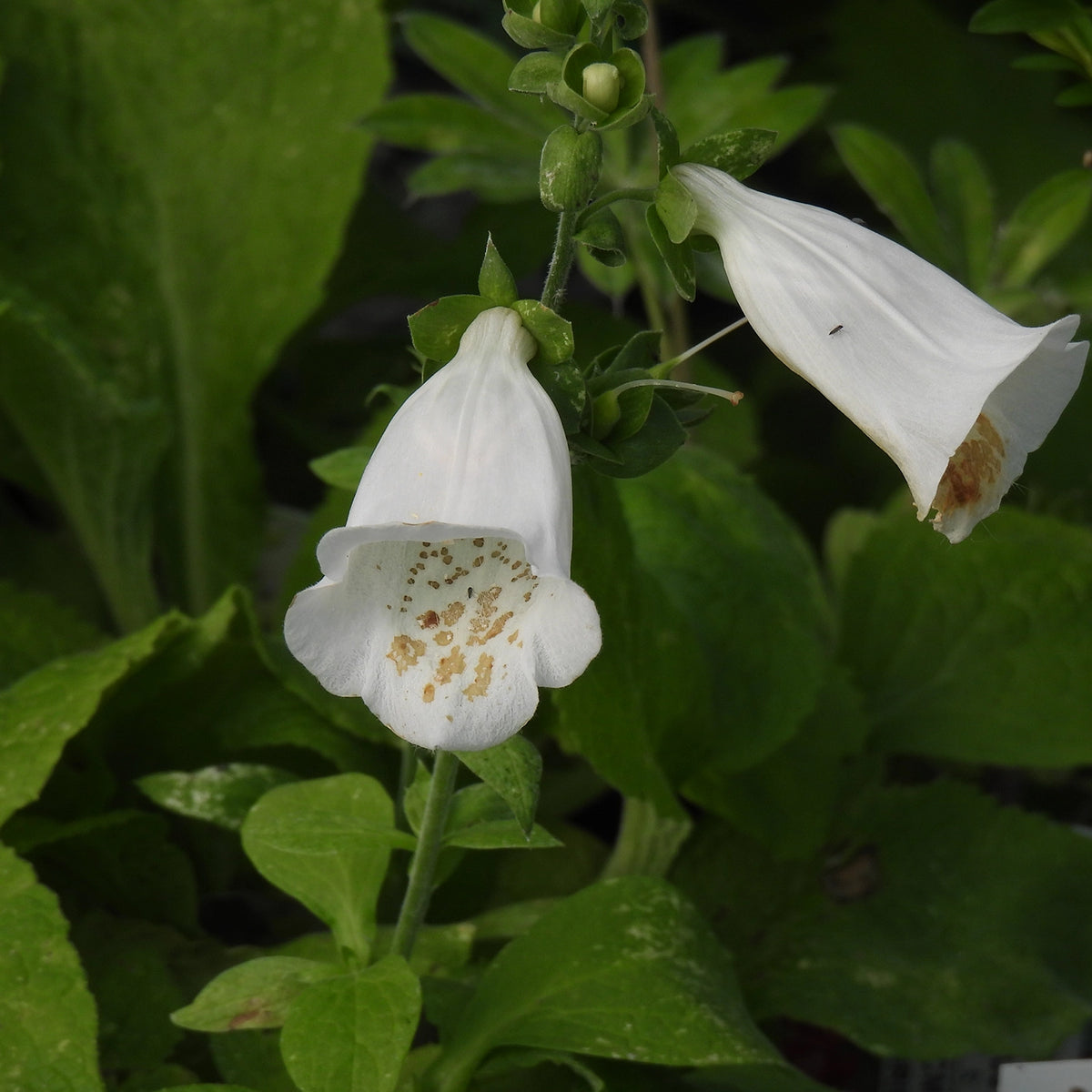




Digitalis purpurea 'Camelot White' is a cream-white foxglove, reaching 100cm, with an RHS Award of Garden Merit earned in 2015. Unlike the wild foxglove — which flowers only in its second year — Camelot White flowers in the first season, making it far more reliable and useful as a garden plant. All parts are toxic.
The frustration with the wild foxglove, and with many named varieties, is that they are biennial — you plant in year one, you watch foliage in year one, you get flowers in year two. The Camelot Series was developed specifically to address this. Camelot White flowers in the first growing season from a spring-planted pot. You will not wait two years. The flowers are cream-white with subtle internal spotting — paler and more refined than the usual purple-pink species, and well-suited to white border schemes, moon gardens, or any planting where a tall, spire-forming plant in cream is needed for June. The RHS AGM, awarded in 2015, recognises a plant that consistently performs in British gardens. The spires reach about 100cm — substantial but not the sometimes-overwhelming 150cm+ of the species in good growing conditions.
One important note on hardiness: the Camelot Series is rated H5 by the RHS, not H7. This means it survives most UK winters comfortably, but in the very coldest or most exposed sites — northern Scotland, high ground, severe frost pockets — it may not be as reliably perennial as fully hardy plants. In most of England and Wales, this will not be a consideration. As with all foxgloves, all parts of the plant are toxic; wash hands after handling and keep away from children and pets.
The cream-white of Camelot White is useful in a wide range of colour schemes. In a classic white and blue June border, it pairs naturally with Delphinium Galahad — white on white at different heights and forms, the delphinium spike against the looser foxglove column. For a warmer combination, Delphinium Astolat in pink-lilac alongside creates a classic cottage garden back border. At the front, Geranium Bevan's Variety in magenta completes the traditional pink-white-purple palette. For a different pairing, Foxglove Dalmatian Rose in pink at 45cm makes a naturally complementary dwarf companion to the taller Camelot White.
We use peat-free compost and biological pest controls. Camelot White is a plant we stock with confidence — the first-year flowering is a genuine advantage over wild foxgloves and most named alternatives, and the AGM reflects consistent performance. Every plant is guaranteed. See the full perennial collection.
Yes — all parts of the foxglove plant are toxic, including leaves, stems, flowers, and seeds. Wash hands after handling. Keep out of reach of children and pets, and do not plant in areas where livestock graze. The same applies to all Digitalis purpurea varieties. This is not a reason to avoid foxgloves in a normal garden, but it is important to be aware of.
Yes — this is the defining advantage of the Camelot Series over the biennial wild foxglove. Camelot White flowers in the first growing season from a pot-grown plant. In subsequent years it may behave as a short-lived perennial, flowering again for two or three seasons before declining. Many gardeners treat it as an annual and replant fresh each spring.
Yes, freely — all Digitalis purpurea cultivars self-seed if allowed to set. Seedlings will vary from the parent plant and may produce different colours, as they are not true to type from seed. Deadhead after flowering if you want to prevent this. Alternatively, allow one or two spikes to seed and you will get a naturalising colony of mixed foxgloves.
Part shade is ideal — it reflects the natural habitat of the wild foxglove in woodland edges and hedge banks. Full shade reduces flowering significantly. Full sun works well if the soil stays moist. Deep, dry shade is the one combination to avoid.
Around 100cm (3½ft) — more compact than the wild foxglove, which can reach 150cm or more in good conditions. This makes Camelot White easier to use at mid-border rather than the very back, and more manageable in a smaller garden while still providing the characteristic vertical foxglove form.


 Sign In
 Saved items