


Sold as:

from £10.95

Sold as:
from £19.99
 5 Star Service Rating




 Secure, One-Tap Checkout
 5 Star Feefo Rating
 Hand Picked, Delivered to Your Door!1 Year Bareroot Guarantee
 Platinum Trusted Service Award 2026
 Mail Order Plant Experts - Est. 1949
 1 Year Bulb Guarantee

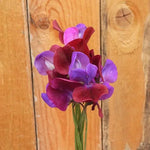
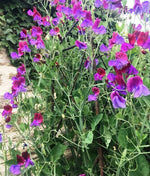



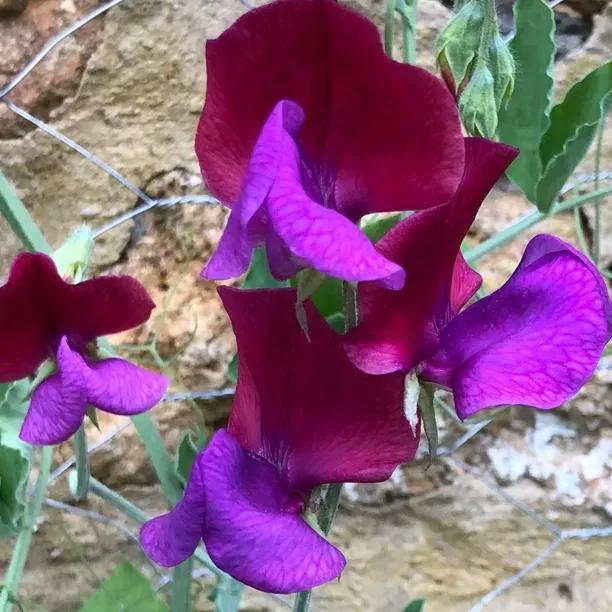
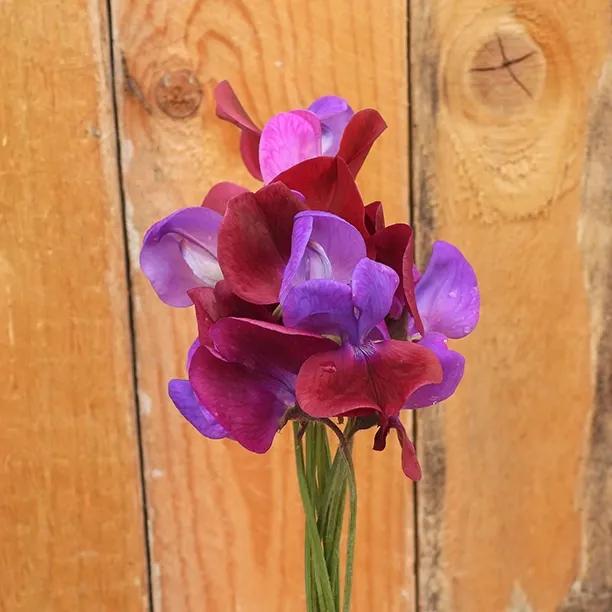
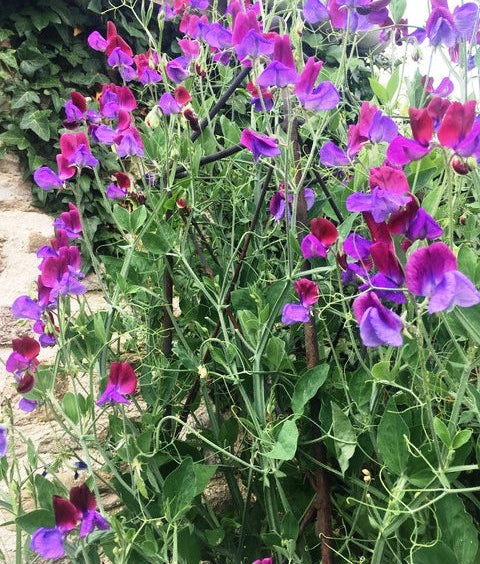





Matucana is widely regarded as the most powerfully scented sweet pea you can grow. This heritage Grandiflora, the oldest type of sweet pea, was bred for fragrance and profusion rather than flower size.
The flowers are a striking bicolour: vivid magenta standards over deep purple wings, borne in clusters of three or four on each stem. They are smaller than Spencer blooms and the stems are shorter. Matucana will not give you the long, elegant stems that suit a tall vase. What you get instead is scent that stops you in your tracks, colour you can see across a garden, and a generosity of flower that borders on the absurd. Pick a small bunch for a rustic jug on the kitchen table and the whole room fills with perfume.
As a Grandiflora, Matucana flowers from top to bottom on the plant rather than just at the growing tips. This means a fuller display than you get from a Spencer, and it means the flowers keep coming even as the plant grows tall. Pick diligently and never let seed pods form, and Matucana will often keep flowering into October or even November.
Matucana takes its name from a town in the central highlands of Peru, where it was selected from a garden around 1955 for its exceptional scent. The plants growing there were almost certainly descendants of sweet peas brought to South America by early European colonists, as the species itself is native to Sicily, where it was first recorded by the Franciscan monk Francisco Cupani in 1695.
Matucana is often described as "the original sweet pea," but this is not quite accurate. The true original is the wild Sicilian form, first recorded by the monk Francisco Cupani in 1695 and sent as seed across Europe in 1699. Matucana is closely related, a heritage Grandiflora with the same bicoloured flowers, but it was selected centuries later and thousands of miles away. The distinction matters mainly to historians. To the gardener, what counts is that Matucana retains the intense fragrance that modern breeding has diluted in many Spencer varieties.
Matucana's bold colouring works best alongside paler varieties. Jilly (ivory-cream Spencer, AGM) or Albutt Blue (lavender-white picotee) both provide a cool contrast that shows off the magenta beautifully. For a heritage-only combination, pair Matucana with Flora Norton (clear blue Grandiflora) – the colours are vivid together, and the combined scent is extraordinary.
In the wider garden, Matucana is a natural for a kitchen-garden setting. Grow it up an obelisk in the vegetable patch alongside fruit trees or runner beans – it earns its keep by attracting pollinators and the magenta-and-purple flowers look magnificent against the greens of a productive garden.
Full growing instructions are in our sweet pea growing guide.
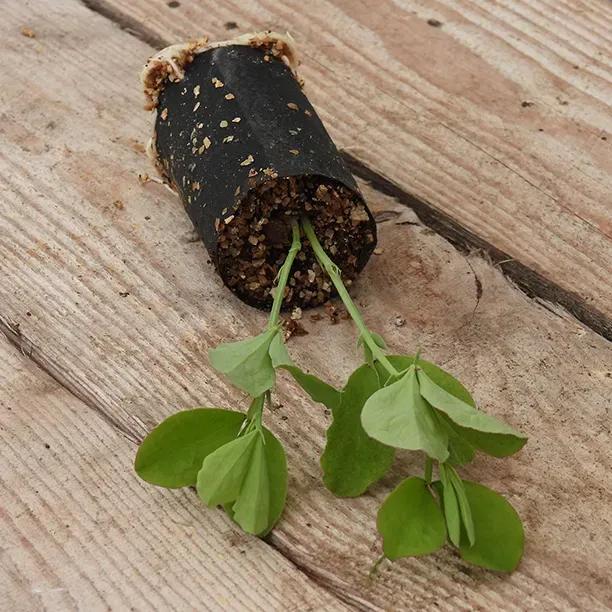
We have been growing sweet peas in Somerset since the early 2000s. The seed - which we collect - is hand-sown at two seeds per plug and the weaker seedling is removed. Every plant is then pinched out to encourage bushy growth and hardened off before dispatch. What you are buying are sturdy, garden-ready jumbo plug plants that have had the best possible start.
We send your sweet peas out by next-day courier between March and May, packed in purpose-designed recycled cardboard packaging. The moment they arrive, they are ready to go into the ground or a container. If anything is not right, we have real people on the phone in Somerset who will sort it out. We hold a Feefo Platinum Service Award and have been named a Which? Best Buy plant supplier – endorsements that came from our customers, not our marketing team.
By most accounts, yes. Specialist growers consistently rank it at or near the top. King's High Scent is also exceptional, but Matucana's scent is in a class of its own – rich, sweet, and strong enough for a single stem to perfume a room.
Both are heritage sweet peas with similar maroon-and-violet bicoloured flowers, but they are distinct varieties. Cupani typically bears two flowers per stem with smaller, more intensely coloured blooms. Matucana usually carries three or four slightly larger flowers per stem and, most gardeners agree, a stronger scent. Matucana was selected in Peru around 1955. Cupani was selected from wild Sicilian plants in 1992.
Yes, though not in the way a Spencer is. The stems are shorter and carry smaller flowers, so Matucana suits small posies in a rustic jug rather than tall arrangements in a formal vase. What it lacks in stem length it more than makes up for in scent.
Absolutely – and it is a particularly good choice for a pot near a doorway or bench where you can enjoy the scent. Use a rich planting mix, insert the support before planting, and water daily in warm weather. Our growing guide covers containers in detail.
No – annual, one season. Fresh seedlings each spring, or save seed from late pods.


 Sign In
 Saved items