

Sold as:

from £10.95

Sold as:
from £19.99
 5 Star Service Rating




 Secure, One-Tap Checkout
 5 Star Feefo Rating
 Hand Picked, Delivered to Your Door!
 1 Year Bareroot Guarantee
 Platinum Trusted Service Award 2026
 Mail Order Plant Experts - Est. 1949
 1 Year Bulb Guarantee
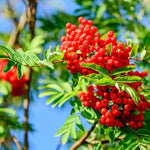
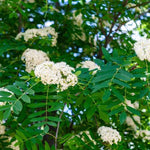
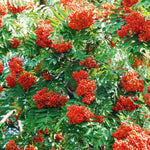


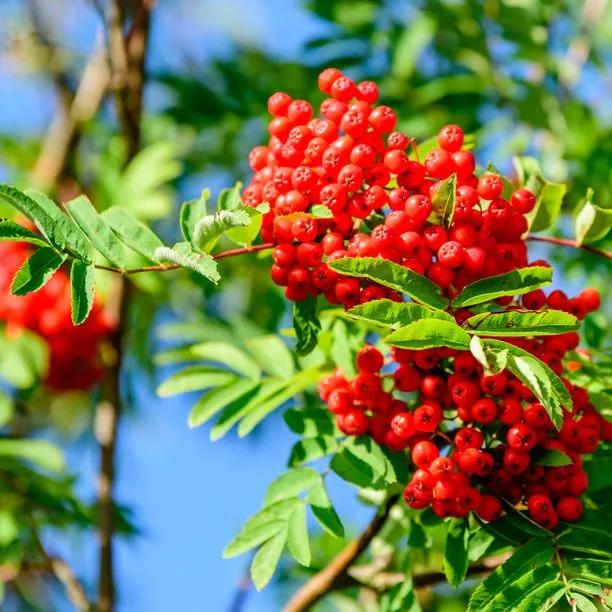
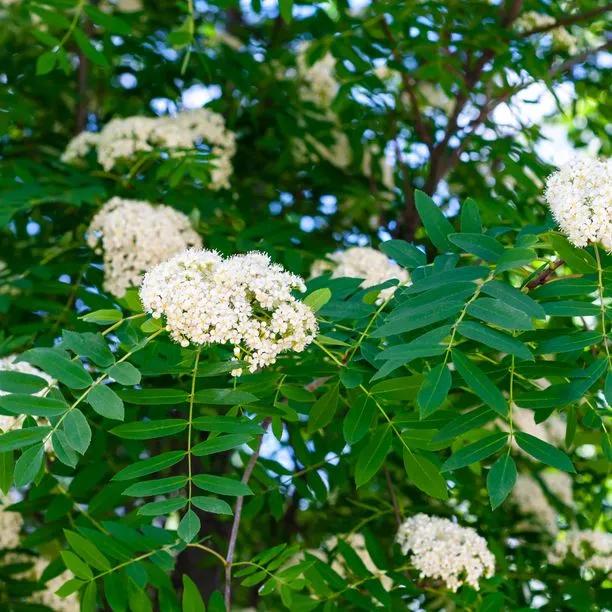
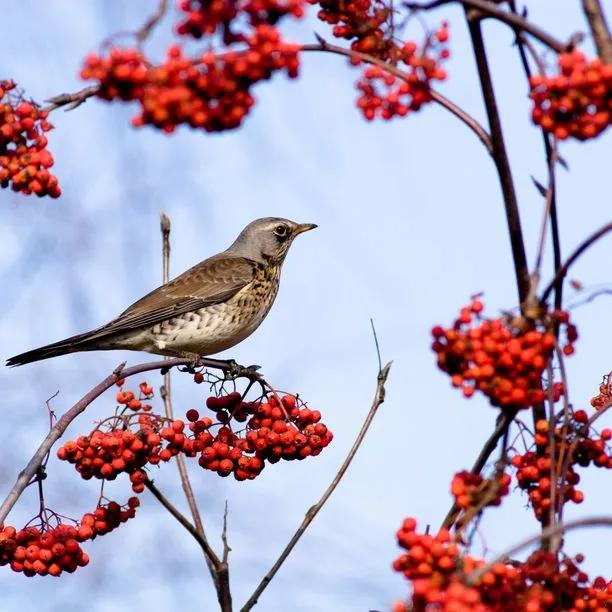
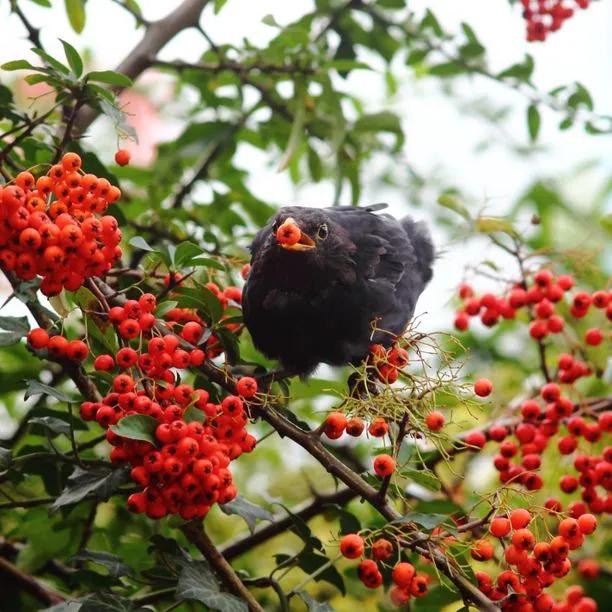
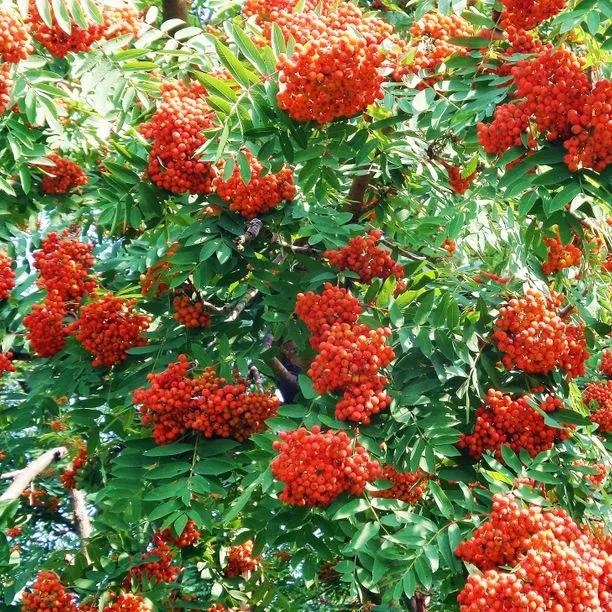




Wild Rowan or Mountain Ash, Sorbus aucuparia, is a native deciduous tree of more than 12m with white flowers in late spring, orange-red berries in early autumn and red or yellow autumn leaves. It is hardy to H6, tolerates town air, and ours are grown on their own roots.
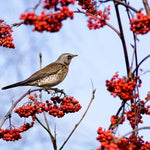
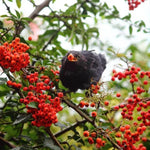
Wild Rowan / Mountain Ash is a small to medium-sized deciduous native tree, the Rowan produces white flowers in late spring followed by large bunches of red berries that are very popular with birds: these are edible when cooked, but if you want to grow a rowan for its fruit, we recommend Edulis. In autumn the foliage turns attractive yellows and reds.
To more than 12m
The standards on this page are the largest sizes of Rowan tree that we deliver. You can also buy younger, smaller Rowan saplings.
Browse all our other Rowan trees, Whitebeam & Wild Service trees.
Please watch our tree planting video for full planting instructions.
Delivery season: Rowan trees are delivered bareroot during late autumn and winter, approximately November-April inclusive. Pot-grown trees are delivered all year, whenever they are in stock.
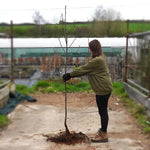
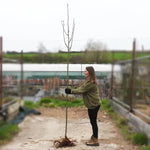
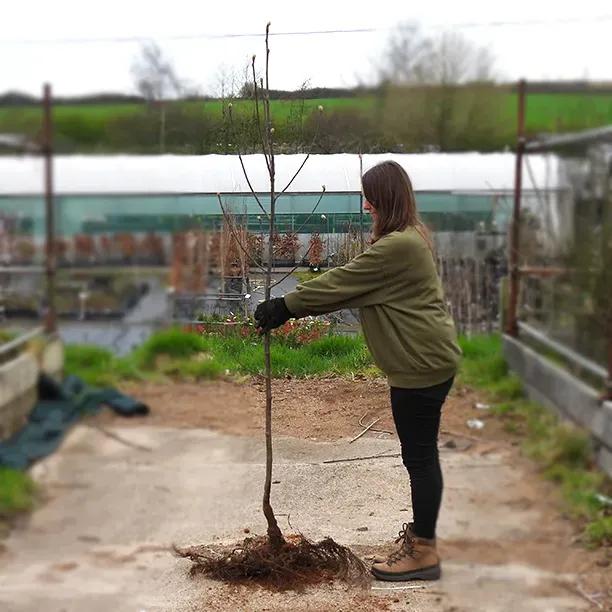
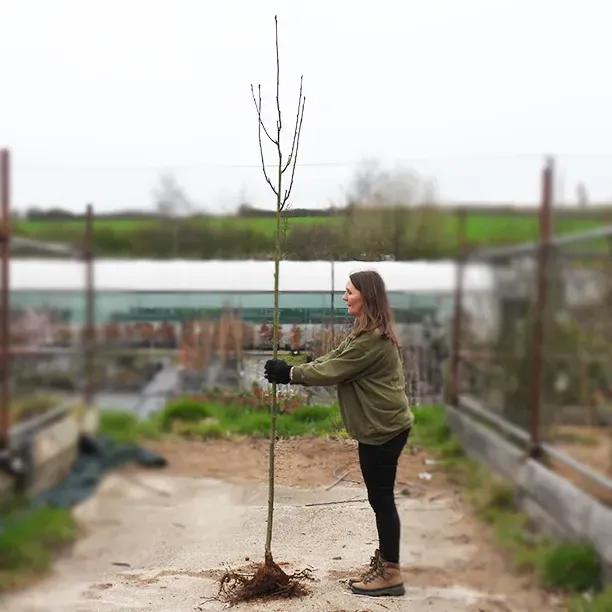
Choosing a size: Small trees are cheaper, easier to handle and more forgiving of less than ideal aftercare, so they're best for a big planting project. If instant impact is your priority, or if you are only buying a few plants for use in a place where it's convenient to water them well in their first year, then you may as well use bigger ones. All our bareroot trees are measured by their height in centimetres above the ground (the roots aren't measured).
They'll grow well on almost any soil, except shallow chalk: they'll probably still grow even there, but they won't be happy or long-lived. They thrive best on moderately acidic soils, but mildly alkaline is certainly not a problem. They flower much less in partial shade. Suitable for very exposed and windy locations, but not the coast.
The species name is derived from avis, bird, and capere, to catch, because the fruit were excellent bait for fowlers: Germans still call it Vogelbeerbaum, bird-berry tree. There is a Eucalyptus species in Australia that is also called mountain ash.
The genus name, Sorbus, and the common name, Rowan, both more or less mean "red", the former being Latin and the latter being from a Germanic root. The Old English term for it is cwic-beam, which became quickbeam (one of Tolkien's Ents bears that name), or simply quicken in some areas. Our Canadian cousins call it dogberry, and rural folk there associate a heavy crop of its fruit with a harsh winter to come.
The nutritional value of the fruit to our ancestors in colder parts of the country was so great that it was taboo to use the timber casually, and planting the tree in front of your house warded off both evil spirits and scurvy.
Mountain Ashes (Sorbus species) are no relation to Common Ashes (Fraxinus excelsior) and are not affected by Ash Dieback Disease.
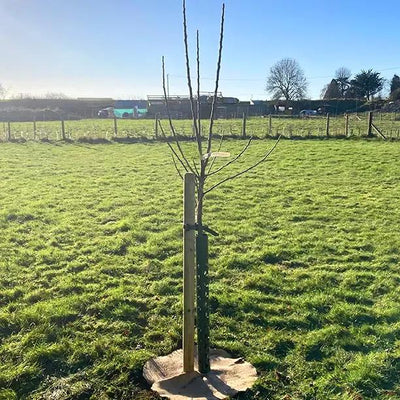
Standard trees are measured by their girth in centimetres 1 metre above ground level: their trunk's waist measurement. Unlike sapling trees and hedge plants, standards aren't measured by their height, which will vary quite a bit both between and within species.
So, a 6/8cm standard tree has a trunk with a circumference of 6-8cm and an 8/10 standard has a trunk 8-10cm around. This measurement makes no difference to the tree's final height.
On average, standard trees are 2-3.5 metres tall when they arrive, but we cannot tell you precisely how tall your trees will be before we deliver them.
The wild rowan has tidier relations. Sheerwater Seedling is the same species with a narrow, upright crown and the RHS Award of Garden Merit, and Joseph Rock swaps the red berries for yellow. For a second native berry tree, look at our hawthorn trees. There are more in native British trees and trees for wildlife.
Your rowan is grown on its own roots, so there is no graft and no rootstock sucker to watch. Ashridge has supplied trees since 1949 and holds the Feefo Platinum Trusted Service Award. Bareroot trees are guaranteed for 12 months, as are pot-grown trees delivered leafless between November and March.
Raw rowan berries will upset your stomach, so do not eat them off the tree. Cooked, they are safe and make a sharp jelly. Birds eat them raw by the beakful.
Not this one: the wild rowan grows past 12m. Sheerwater Seedling stays at 8 to 12m with a narrow crown 2.5 to 4m across, and holds the RHS Award of Garden Merit.
Over deep soil, tolerably. On shallow chalk, no: it will live, unhappily and not for long. Rowans do best on moderately fertile, humus-rich ground that is acid to neutral.
Hardly at all. Take out dead, damaged or crossing branches and leave the rest. Ours are on their own roots, so any shoot from the base is the rowan itself, not a rootstock.
To keep witches out. Red was the colour that beat magic, and each berry carries a five-pointed star where the flower was. In Scotland, cutting a rowan down was taboo.




 Sign In
 Saved items