



Sold as:

from £10.95

Sold as:
from £19.99
 5 Star Service Rating




 Secure, One-Tap Checkout
 5 Star Feefo Rating
 Hand Picked, Delivered to Your Door!1 Year Bareroot Guarantee
 Platinum Trusted Service Award 2026
 Mail Order Plant Experts - Est. 1949
 1 Year Bulb Guarantee




Portugal Laurel is a dense evergreen hedge with deep green, glossy leaves on dark red stalks. It grows in sun or partial shade on almost any soil that drains, poor shallow chalk included, and clips to a formal finish. It holds the RHS Award of Garden Merit.
Portuguese laurel is considerably more elegant and pleasing to the eye than its cousin, Common Laurel, and is even tougher and more versatile. The vigorous leaves are lush and glossy and a deep, rich, dark green, looking a little like bay leaves, a bit darker than common laurel. The young spring foliage has a pink tinge, which remains on the rhubarb red leaf stalks after the leaves mature and looks especially good in winter. If it's not trimmed hard, it'll produce creamy white candelabras of flowers, called racemes, with yellow centres in June. These have a fine scent, similar to hawthorn, and lots of pollen. The flowers are followed by berries that turn from red to purple as they age. See our other Laurels here.
The smallest size is available bare root in the winter, but larger, potted plants are available all year round. If your site is really dry, you are best off planting bare root and small, to give the plant a chance to set strong roots for its size before growing up top.
This is the plant for that impossible spot where nothing grows: in the shade of the neighbour's Leylandii hedge, abutting the Northfacing wall, on chalky uplands or windy sites by the sea. The only place it can't grow in is waterlogged soil.
Despite the name, this Laurel is hardy throughout the British Isles.
In a city, this laurel eats pollution for breakfast, blocks light, acts as a windbreak, all while looking formal when you clip it tidily. A Portuguese laurel hedge is a larder of berries for birds (not humans: the leaves and berries are harmful if eaten, and the fruit turns bitter, which discourages children from eating them even if they could reach that high), especially when you clip it every other year.
It provides excellent game cover and was specifically used for this because it was believed that the berries improved the flavour of the birds.
Grown as a single stemmed tree, Portuguese Laurel will top 15 metres tall.
It can be clipped into lollipops or other basic topiary shapes like mushrooms, ovals and blocks.
Prune in February, July and October to really keep them crisp.
Underplant with Skimmia or Sarcococca, which also look at their best in winter.
Laurels are members of the cherry family. This one was introduced into Britain from Madeira via Portugal in 1648 during the reign of Charles I. The original specimen grew at Oxford Botanic Garden until it was cut down in 1826. On arrival, it was considered tender and was grown in glass house orangeries. At some point, someone left a plant outside over winter, perhaps by mistake, and it was "discovered" to be completely frost hardy.
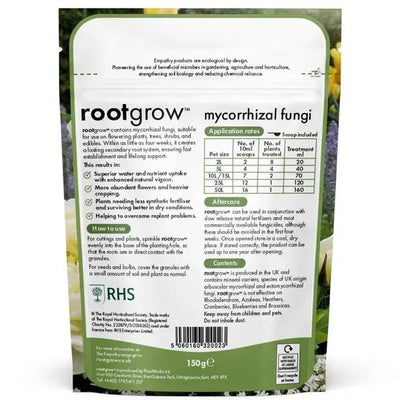
For a brighter green leaf, compare it with Cherry Laurel. For the darkest and most formal evergreen hedge, look at Yew. You can see every choice in our evergreen hedging range. Dust bareroot roots with Rootgrow as you plant.
Hedging is not a sideline here: your Portugal Laurel is grown for us as hedging by specialist growers. Bareroot plants are lifted to order while dormant and guaranteed for 12 months. Ashridge has sold plants since 1949 and is a Which? Best Plant Supplier 2025.
Plant 2 to 3 to the metre in a single row. Use the closer spacing for small bareroot and P9 plants, and the wider one for the large pot-grown size.
Yes. It even thrives on poor, shallow, chalky soils. The one thing it will not stand is waterlogged ground, so pick another plant for a wet site.
Yes. It grows in sun or partial shade, and we find it copes with the shade cast by buildings and by other hedges.
Late spring or early summer. One trim a year is enough for a hedge. Use secateurs on a short run to avoid cutting the leaves in half.
Yes. It is rated H5, hardy through a cold winter anywhere in the British Isles. It also stands wind, and sites near the sea.
Small bareroot plants cost least and establish well, above all on a dry site. Choose the large pot-grown size for an instant screen, and water it well through its first summer.
Bareroot plants are delivered from November to April, while they are dormant. Pot-grown plants can be delivered and planted in any month when you find them in stock.




 Sign In
 Saved items