Sold as:

from £10.95

Sold as:
from £19.99
 5 Star Service Rating




 Secure, One-Tap Checkout
 5 Star Feefo Rating
 Hand Picked, Delivered to Your Door!
 1 Year Bareroot Guarantee
 Platinum Trusted Service Award 2026
 Mail Order Plant Experts - Est. 1949
 1 Year Bulb Guarantee
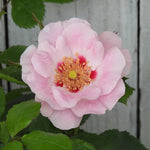


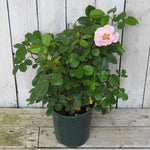

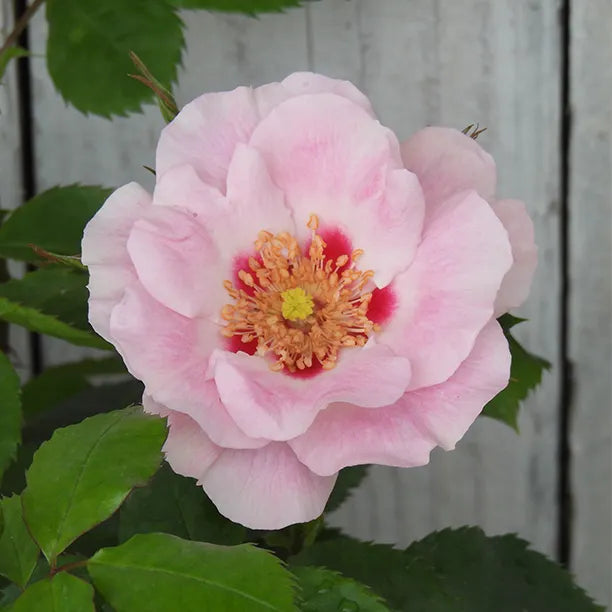
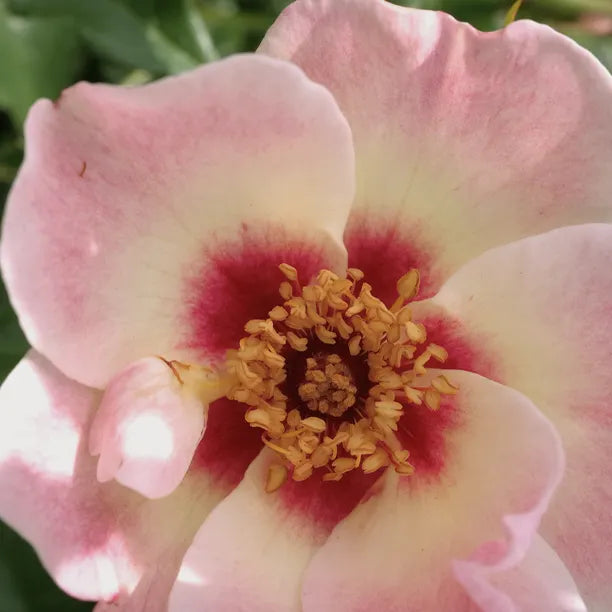
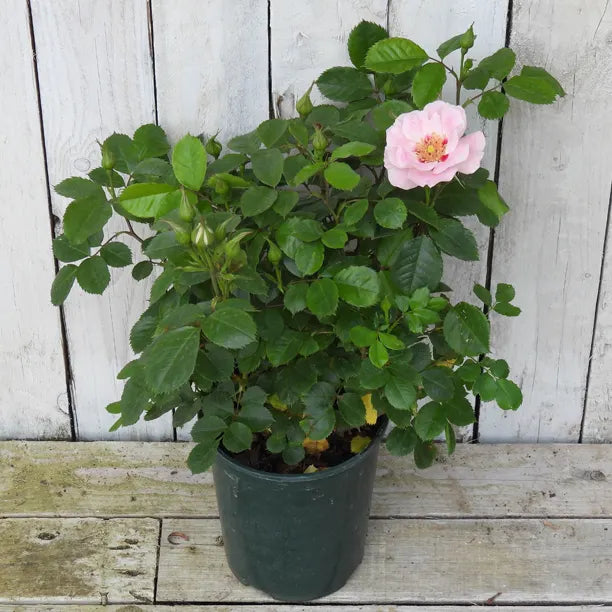





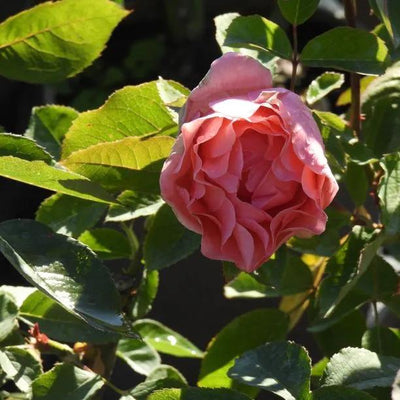
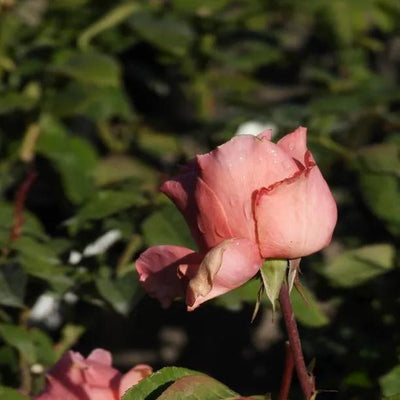
See You In Rosé is a compact persica hybrid floribunda from Kordes, growing to 70cm with a 50cm spread. It bears clusters of large, semi-double pale pink flowers carrying a vivid reddish-pink eye and bright yellow stamens, with a white reverse to each petal. Fragrance is moderate. It repeat-flowers freely from June through to autumn, and was bred specifically for container and small-space growing as part of the Kordes SEE YOU® series.
Kordes developed the SEE YOU® collection with a specific brief: roses for gardeners who have limited space or want a plant that performs well in a large container without specialist care. See You In Rosé, introduced in 2021, is the palest and most softly coloured of the series. The petals are a light warm pink with a white reverse, and the contrast between that pale ground and the prominent reddish-pink eye at the centre of each bloom is the plant's signature quality. The eye is the mark of the persica hybrid class, inherited from Rosa persica, the Central Asian wild rose that is the only species with a naturally occurring basal spot.
At 70cm by 50cm, See You In Rosé fits comfortably in a large container or at the front of a small border. It flowers from June through to autumn without much attention, and Kordes' three-year field trial process before any introduction means the disease resistance is genuine. Roses are on the RHS Plants for Pollinators list, and its open-centred semi-double flowers are accessible to bees throughout the season. Our floribunda rose growing guide has full guidance on planting, feeding, pruning, and winter care.
Soft pink works well against whites and blue-purple tones. Iceberg provides a clean white companion at similar height, the contrast clean and simple. At the base, Hidcote lavender echoes the eye colour and brings pollinators through the season; dwarf catmint stays compact enough to sit alongside See You In Rosé in a large container or at the front of a small border. Rozanne geranium trails between the stems all summer with violet-blue flowers. Plant Aflatunense alliums in autumn for lilac-purple globes in May that set the border scheme before the rose comes into flower in June.
The rose growers who supply Ashridge have been doing so, in some cases, for more than thirty years. Every rose is grown specifically for us. Bareroot plants are dispatched between November and March while dormant; container grown plants go out in spring and summer. We are peat-free throughout, use no neonicotinoids, and guarantee every plant. Which? Gardening named us Best Plant Supplier, and Feefo gave us their Platinum Trusted Service Award.
Late February to early March, cutting stems back to 30-40cm just above an outward-facing bud. A light tidy in autumn, shortening by about a third, helps prevent wind rock over winter but is not the main prune. Our pruning guide covers the full method step by step.
Kordes is a German rose breeding house with disease resistance as its primary criterion. Every new variety undergoes three years of field trials without fungicide before commercial release — one of the most rigorous testing programmes in the industry. It is why Kordes roses such as See You In Rosé perform reliably in the UK without routine spraying, even in wet summers.
See You In Rosé has a moderate, sweet fragrance, genuine and noticeable when you are close to the plant, especially on warm afternoons. Not the most powerful scent in the range, but a real one rather than none at all. Strongest at the start of each flush of flowers.
Both are from Kordes' SEE YOU® series with the same compact, container-focused habit. See You In Rosé has pale pink petals with a reddish eye and a white reverse; See You In Pink is a warmer coral-pink with a darker eye. Both repeat-flower from June and suit small spaces and containers.
See You In Rosé was developed specifically with container growing in mind as part of Kordes' SEE YOU® series, bred for compact habit and continuous flowering in small spaces. A 40cm pot with loam-based compost works well. Keep it well watered through summer and feed weekly with a liquid rose fertiliser from May to August.
A persica hybrid is a rose bred from Rosa persica, a rare Central Asian species and the only wild rose with a naturally dark basal eye at the centre of each petal. That eye-marking is what makes See You In Rosé and Angel Eyes instantly distinctive from other floribundas. The first garden-worthy persica hybrids only began appearing in the 1990s, making it one of the newer rose classes in UK gardens.



 Sign In
 Saved items