
Sold as:

from £10.95

Sold as:
from £19.99
 5 Star Service Rating




 Secure, One-Tap Checkout
 5 Star Feefo Rating
 Hand Picked, Delivered to Your Door!1 Year Bareroot Guarantee
 Platinum Trusted Service Award 2026
 Mail Order Plant Experts - Est. 1949
 1 Year Bulb Guarantee



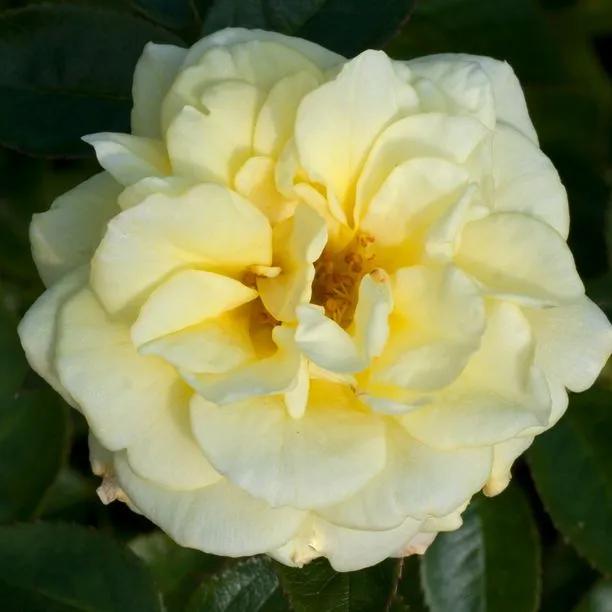
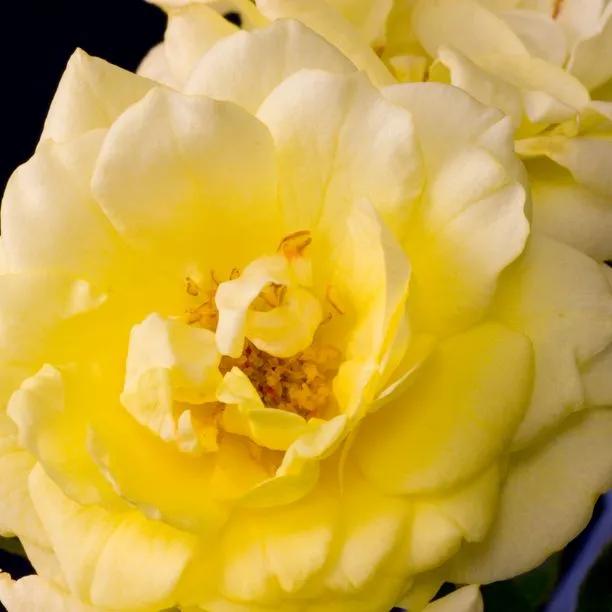




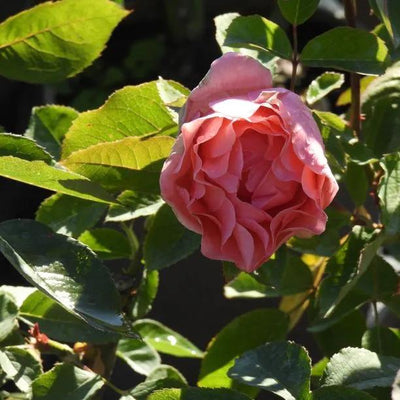
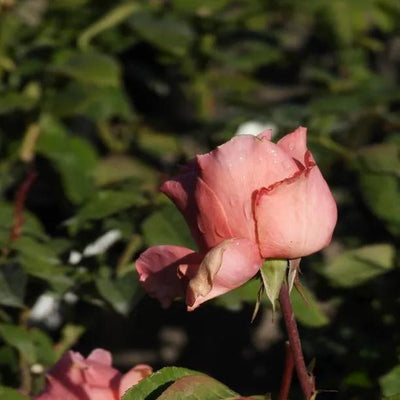
Summertime is a patio climbing rose bred by Warner in the UK, producing clear soft yellow, small double blooms in generous clusters from June through to October. Repeat-flowering with exceptional continuity, it reaches 250cm (8ft) and is one of the finest choices for smaller gardens seeking non-stop summer colour.
If you garden on a modest scale but crave a climbing rose that blooms almost without pause, Summertime is precisely what you need. Bred by Warner in 1992, this patio climber has earned its place through sheer reliability and generous flowering habit. The blooms are small and delicate, soft yellow with a slight sweet fragrance, produced in clusters so abundant that the plant becomes a pillar of colour from early June through October. Unlike many climbing roses that tire after one flush, Summertime keeps working, particularly if deadheaded to encourage successive waves.
The plant carries healthy, glossy foliage that resists the typical mildews and blackspots that plague many climbers in damp seasons. It reaches roughly 250cm (8ft) in height, making it ideal for training on obelisks, narrow walls, fences, or smaller arbours without overwhelming the space. This is the rose for gardeners with restricted ground or those who want a climber in a large container, where its managed size becomes an asset rather than a limitation.
The soft yellow colouring sits perfectly with classical plantings, and the small, airy flowers feel far less formal than hybrid tea climbers, suiting cottage gardens and naturalistic schemes equally well. Position it in full sun for the strongest flowering, though it will perform acceptably in partial shade provided it receives at least four hours of direct sunlight daily.
What separates Summertime from many of its rivals in the patio climber class is its exceptional continuity of bloom. Whilst other compact climbers may rest between flushes, Summertime flowers almost constantly throughout the season. This is partly genetics and partly management: ensure it receives balanced feeding and regular deadheading, and the plant will repay you with colour that lasts from early summer into the first frosts. The slight sweetness of the fragrance is just enough to catch when you brush past the flowers, without overpowering the garden.
Summertime responds well to gentle training along horizontal or fan structures, which maximises flowering along the entire length rather than just the top. Use soft ties and guide stems gradually as they grow. Train new growth laterally across obelisks or through wall netting for the most spectacular display. Hard pruning is unnecessary most years; simply remove dead wood and thin congested stems in late winter, and shorten side shoots to two or three buds in February. For full guidance, see our growing climbing and rambling roses guide.
Yellow climbers like Summertime partner beautifully with cool-toned perennials and foliage plants that echo the summer cottage garden. Train it alongside clematis such as C. viticella for a multi-layered effect, or plant the base with soft purple lavender and silvery foliage to create contrast. Blue alliums add height and architectural interest without competing for light, whilst a tapestry of herbaceous perennials such as catmint and salvia will ground the scheme and bloom in harmony with the rose.
Summertime was Rose of the Year in 2005.
We've been supplying gardeners with quality roses since 1949, working with specialist growers to produce vigorous plants budded onto rootstock proven for British gardens. Our award-winning customer service and Which? Gardening recognition mean you're buying with confidence from people who genuinely know roses.
Summertime reaches approximately 250cm (8ft), making it ideal for obelisks, narrow walls, and smaller spaces where full-size climbers would be overwhelming. It's one of the most manageable patio climbers available.
Yes, Summertime has a slight, sweet fragrance. It's delicate rather than strong, perfect for gardeners who prefer subtlety. The scent is most noticeable on warm afternoons when you brush against the flowers.
Prune in late winter (February), removing dead wood and shortening side shoots to two or three buds. Avoid hard pruning; instead, simply guide growth and maintain shape. For detailed pruning instructions, see our climbing rose pruning guide.
Summertime performs beautifully on obelisks, narrow walls, and fences. Train growth horizontally across structures to maximise flowering along the entire stem. It can also be grown in large containers with adequate support.
Summertime is repeat-flowering from June through October with exceptional continuity. Regular deadheading encourages further blooms. It's one of the longest-flowering patio climbers available, particularly when well fed and watered.




 Sign In
 Saved items