Sold as:

from £6.99

Sold as:
from £19.99
 5 Star Service Rating




 Secure, One-Tap Checkout
 5 Star Feefo Rating
 Hand Picked, Delivered to Your Door!
 1 Year Bareroot Guarantee
 Platinum Trusted Service Award 2026
 Mail Order Plant Experts - Est. 1949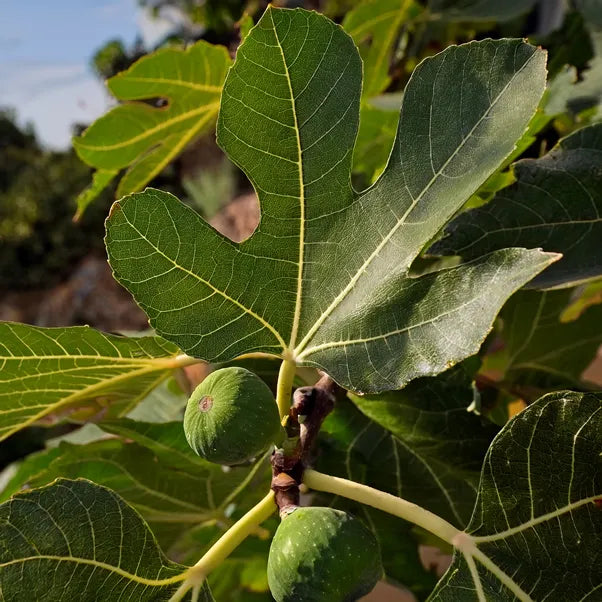




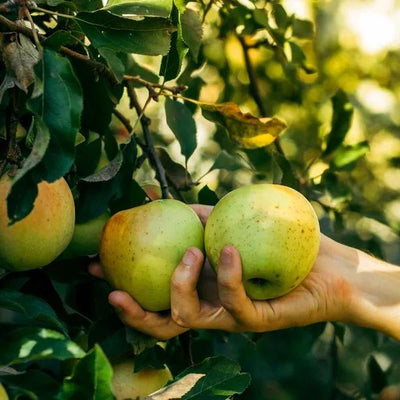
White Marseilles produces some of the sweetest, most delicately flavoured figs you can grow outdoors in Britain. The fruit is medium to large, with a pale green skin that shades to yellow as it ripens and a translucent, almost opaline flesh that tastes of honey and sunshine. It ripens earlier than Brown Turkey, which matters: in the British climate, a week's head start on ripening can mean the difference between eating figs and composting them. One crop per year outdoors, occasionally two if the summer is exceptional.
Like all figs, White Marseilles needs full sun and a sheltered spot — a south-facing or west-facing wall is ideal. It thrives in most soils including chalk and clay, provided drainage is reasonable, and actually prefers slightly alkaline ground. It is fully self-fertile, so a single tree is all you need. The key to getting a good crop, as with all outdoor figs in the UK, is root restriction: either grow it in a large container or plant it in a lined pit. Unrestricted, it will put all its energy into leaves. Contained, it puts its energy into fruit.
White Marseilles has a claim to being one of the oldest documented fruit varieties still in cultivation in England. The story — and it is a good one — is that a fig tree was planted at the Archbishop of Canterbury's palace at Lambeth in the 1550s, said to have been brought by Cardinal Pole. The original tree reportedly survived for centuries. Whether or not the precise attribution holds (historians quibble over the dates), a fig of this name was being described and illustrated in English gardening books by the early 1800s, and it has been grown continuously in British gardens ever since. Thomas Jefferson grew it at Monticello in Virginia and described it as the finest fig he had ever tasted.
The French name is Blanche, and it has accumulated more synonyms than most varieties deserve: Blanche d'Argenteuil, White Genoa, White Naples, Ford's Seedling, Raby Castle, and several others. They are all the same fig. If you see any of those names in an old gardening book, this is what they mean.
This is the question, and the honest answer is: if you can only grow one fig, Brown Turkey is the safer choice. It crops more heavily, tolerates less-than-perfect conditions, and holds the RHS Award of Garden Merit. But if you have a warm wall and you want to know what a properly ripe fig actually tastes like, White Marseilles is the one. The flavour is finer — less robust than Brown Turkey, more complex, sweeter. It ripens a little earlier, which helps in shorter summers. The trade-off is a slightly lighter crop in cooler years. Brown Turkey may have the AGM, but for me, White Marseilles has the taste.
The two look completely different on the tree. Brown Turkey's fruit is dark purple-brown; White Marseilles ripens to pale yellow-green. Growing both on the same wall or in neighbouring pots gives you a longer combined harvest and a beautiful contrast. If you're short on space entirely, Little Miss Figgy is a compact alternative that stays under 2m.
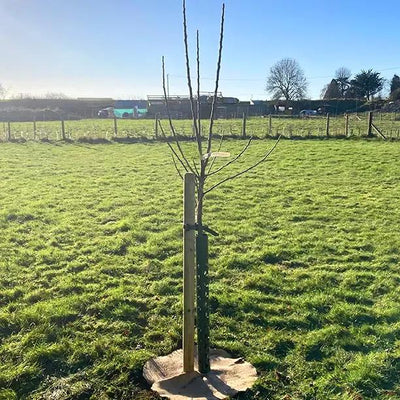
Fan-training against a south-facing wall is the classic way to grow White Marseilles in the UK, and for good reason. The wall stores heat during the day and releases it slowly, creating a microclimate several degrees warmer than the open garden. Root restriction is essential: dig a pit no more than 60cm wide by 60cm long by 75cm deep, line the sides with paving slabs, fill the bottom 20cm with rubble, and backfill with ordinary garden soil. This concentrates the tree's energy on fruit rather than foliage. For the full method, see our guide to planting figs beside a wall.
Container growing works just as well. Use a sturdy pot of at least 40–50L, John Innes No. 3 compost, and repot every three to four years by trimming a quarter of the rootball and refreshing the compost. Feed weekly with a high-potash fertiliser from May to September. Prune in spring by removing a quarter to a third of the oldest branches. In autumn, pinch off any large unripened fruits but leave the tiny pea-sized fruitlets — these are next year's crop. For more on pruning, see our fig pruning guide.
We grow White Marseilles ourselves, in peat-free compost and using biological controls. No neonicotinoids. The same team who propagate your fig tree are the ones who pack it, label it, and answer your questions when you ring. Every tree is guaranteed. See the full range of fruit trees.
Expect a small crop in the second or third year after planting, increasing as the tree matures and fills its root space. Figs fruit on the previous year's wood, so the tiny fruitlets that form in autumn will develop into ripe figs the following August or September. Patience in the first couple of years pays off handsomely.
Yes. All cultivated figs in the UK are self-fertile — they don't need a pollination partner or the fig wasps that pollinate wild figs in warmer climates. One tree on its own will crop perfectly well.
Hardy to about –10°C (RHS H4), which covers most of lowland Britain. In sheltered spots in southern and central England it sails through a normal winter without protection. In colder areas or exposed gardens, wrap the branches with horticultural fleece from November to March. An established tree may die back to the ground in a severe frost but will usually regrow from the base.
Yes, if you want fruit rather than a very large ornamental tree. Root restriction — either a lined planting pit or a sturdy container — is the single most important thing you can do to ensure a good crop. Without it, the tree channels its energy into leaf growth. See our wall planting guide for the full method.
Brown Turkey crops more heavily and tolerates tougher conditions — it holds the RHS AGM and is the standard recommendation for UK gardens. White Marseilles has finer, sweeter fruit and ripens earlier, but crops a little less generously in cooler summers. The fruit look quite different: Brown Turkey is dark purple, White Marseilles is pale yellow-green. Growing both together extends the harvest and gives you two distinct flavours.






 Sign In
 Saved items