

When you have enough Elderflower Cordial you might like to think about Elderflower Champagne. By the way, it is a good excuse to plant a few more Elder (Sambucus nigra) bushes – as you will find you have friends calling round in June and July almost daily and for the oddest reasons…..
This is a recipe that has been in our family for at least four generations and it is known as Gonga’s Pop – after the great-grandmother of the present youngest generation. She used to make it to keep us quiet when we were kids – being mildly alcoholic (about the same as a light lager) it did that very nicely. It is also the best Elderflower Champagne recipe we know:
You will need (to make 10-12 litres):
- a really clean container big enough for the mix (large bucker, bin, brewing tub etc)
- a clean cloth (muslin is best) to cover said container
- strong bottles which will need to be sterilised at bottling time (the ones with spring closures are best, but screw capped fizzy drinks bottles work well)
- syphon tube (one with a clip or tap on the end is preferable)
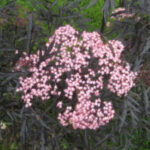
- 35 elderflower heads – pick the ones with the strongest scent
- 2.5kg granulated sugar
- 2 proper tablespoons of white wine vinegar
- 5 litres boiling water & some cold water
- Juice and grated skin (zest) of 5 lemons – unwaxed if possible
- Juice and grated skin (zest) of 1 lime – also unwaxed
Instructions:
- Dissolve the sugar in the boiling water then put in the large container and add cold water to make a total volume of between 7 and 8 litres.
- Mix in the elderflowers, the white wine vinegar, the lemon and lime juice and their zests and stir the brew.
- Cover the whole thing with the clean cloth (or use an airlock if you are a brewer) and put it in a cool place to ferment for two days. If, after a couple of days it has not started fermenting (easy to tell as there will be a foamy sort of scum on top) then add a pinch of dried yeast to get it going. Generally you will find that enough wild yeasts came in with the elderflowers for this not to be necessary.
- Keep the container covered/airlocked and let the champagne carry on fermenting for another 4-5 days.
- Using a winemakers sieve or the muslin you covered it with, strain the champagne into another container, let it settle for a couple of hours and siphon it into the sterilised bottles. Do make sure they can take a LOT of pressure – this is not known as Gonga’s Pop for nothing. Seal the bottles tightly. N.B. If you are using plastic drinks bottles keep an eye out for ones that start bulging – if they do, loosen the cap to let some carbon dioxide out and then tighten again.
- Leave it to ferment for at least another week after which it is delicious although it gets better with age. In nearly a hundred years the family has never found out how long it keeps – however much was made never lasted more than a year…
Enjoy ice cold

Elderflower Champagne Recipe by
Frances Bosdari is licensed under a
Creative Commons Attribution-No Derivative Works 2.0 UK: England & Wales License.


Leave a Reply