
What are the best bulbs to plant in your garden?
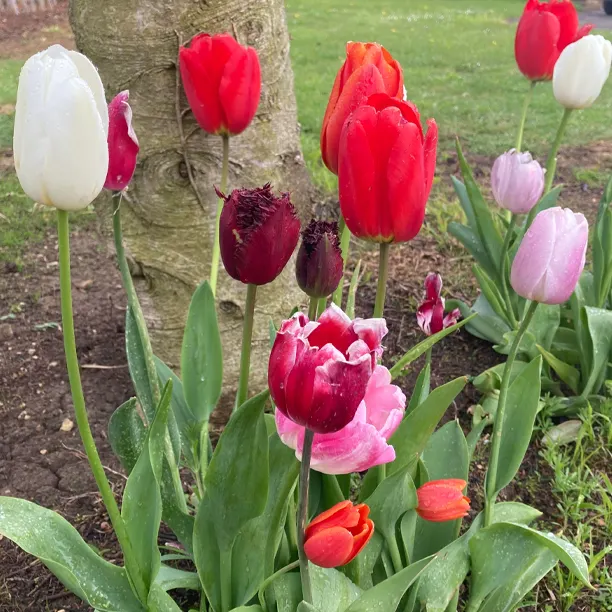
The best bulbs to plant depend on your garden conditions, flowering season preferences, and maintenance requirements. Spring bulbs like daffodils, tulips, and crocuses offer reliable early colour, while summer bulbs such as alliums and gladioli extend the flowering season into warmer months.
Related articles
- When to Plant Bulbs — Complete Seasonal Guide
- How to Plant Bulbs — Step-by-Step Instructions
- Bulb Care and Maintenance — Expert Tips
- Naturalising Bulbs in Grass and Woodland
Which spring bulbs provide the most reliable displays?
Daffodils, crocuses, and snowdrops are the most dependable spring bulbs, returning year after year with minimal care. These hardy performers establish quickly and multiply naturally, making them excellent value for money.
Daffodils top the list for reliability, with most varieties flowering for 10-15 years or more when planted in suitable conditions. They’re deer and rodent resistant, unlike tulips which often require annual replanting. Early varieties like ‘February Gold’ begin flowering in late winter, while later types extend the season into May.
Crocuses excel in naturalised settings, spreading gradually to form carpets of colour beneath deciduous trees. Species crocuses like Crocus chrysanthus are particularly robust, while larger Dutch varieties provide more impact in formal plantings.
| Bulb Type | Flowering Period | Longevity | Naturalising Ability |
|---|---|---|---|
| Daffodils | February-May | 10-15+ years | Excellent |
| Crocuses | February-April | 8-12 years | Excellent |
| Snowdrops | January-March | 15+ years | Outstanding |
| Tulips | March-May | 3-5 years | Poor |
What summer bulbs offer the longest flowering seasons?
Alliums and gladioli provide extended summer colour, with alliums offering architectural seedheads that remain attractive into autumn. Many alliums flower from May through August, depending on variety.
Ornamental alliums range from compact border varieties to dramatic statement plants reaching 1.5 metres tall. Allium giganteum creates spectacular purple globes in late spring, while Allium hollandicum offers slightly smaller but equally impressive flowers. For extended seasons, plant early, mid, and late varieties together.
Gladioli provide cottage garden charm with their tall flower spikes appearing from July onwards. Plant corms at fortnightly intervals from April to June for continuous flowering. Though not fully hardy, they’re excellent for cutting and many gardeners lift and store them over winter.
Lilies bridge the gap between spring and summer bulbs, with Asiatic varieties flowering in June and Oriental types continuing into August. Tree lilies like Lilium regale are particularly robust and fragrant.
Which bulbs perform best in shaded areas?
Woodland bulbs like bluebells, wood anemones, and winter aconites thrive in partial to full shade, making them perfect for gardens with established trees or north-facing borders.
Native English bluebells are unmatched for naturalising in woodland conditions, creating the classic carpet effect beneath deciduous trees. They prefer moist, well-drained soil and will gradually colonise suitable areas. Avoid Spanish bluebells, which hybridise with natives and lack the characteristic nodding habit.
Winter aconites (Eranthis hyemalis) provide some of the earliest flowers, often pushing through snow in January. These little yellow buttercup-like blooms appreciate shade and will self-seed readily once established. Plant them as growing plants rather than dry bulbs for better establishment rates.
Cyclamen coum and hederifolium offer autumn and late winter interest respectively, with attractive marbled foliage that persists long after flowering. These Mediterranean natives actually prefer dry shade once established, making them valuable for difficult spots under evergreen trees.
| Shade-Tolerant Bulb | Light Requirements | Flowering Time | Special Features |
|---|---|---|---|
| English Bluebells | Partial to full shade | April-May | Native, self-seeds freely |
| Winter Aconites | Partial shade | January-March | Very early flowering |
| Wood Anemones | Dappled shade | March-April | Delicate white flowers |
| Cyclamen | Dry shade | August-March | Attractive foliage patterns |
What are the most low-maintenance bulbs for busy gardeners?
Species bulbs and naturalising varieties require minimal intervention once established, making them ideal for low-maintenance gardens. These include species crocuses, grape hyacinths, and smaller daffodil varieties.
Grape hyacinths (Muscari) are virtually indestructible, spreading steadily to form dense colonies that suppress weeds. They tolerate poor soil and drought once established, requiring no annual lifting or special care. The deep blue spikes complement yellow daffodils perfectly.
Species tulips like Tulipa tarda and Tulipa sylvestris behave more like perennials than their hybrid cousins, returning reliably each year without lifting. They’re smaller than garden tulips but multiply gradually and cope with summer moisture better than large-flowered varieties.
Chionodoxa and Scilla naturalise readily in grass or informal areas, requiring no deadheading or special feeding. These small bulbs create drifts of blue or white flowers in early spring and can be mown after the foliage dies back naturally.
Which bulbs cope best with heavy clay soil?
Crown imperials, daffodils, and camassia thrive in heavy clay soil, provided drainage isn’t severely impeded during winter. These robust bulbs tolerate wet conditions better than Mediterranean species.
Crown imperials (Fritillaria imperialis) are among the most clay-tolerant spring bulbs, producing dramatic orange or yellow flower crowns atop tall stems. Plant them on their sides to prevent water collecting in the hollow crown, and be patient as they can take a year to establish.
Most daffodil varieties adapt well to clay soil, particularly robust types like ‘King Alfred’ and newer varieties bred for naturalising. Avoid very early varieties in heavy soil as they may struggle with waterlogged conditions during their growing period.
Camassia species are perfect for heavy, moisture-retentive soil, producing tall spikes of blue or white flowers in late spring. These North American natives actually prefer clay to sandy conditions and will naturalise in suitable spots.
| Clay-Tolerant Bulb | Drainage Needs | Height | Best Planting Tip |
|---|---|---|---|
| Crown Imperials | Moderate | 100-120cm | Plant on side to prevent rot |
| Daffodils | Poor to moderate | 15-50cm | Choose robust varieties |
| Camassia | Poor | 60-100cm | Thrives in wet clay |
| Snake’s Head Fritillary | Poor | 20-30cm | Loves damp meadows |
What are the best bulbs for cutting gardens?
Tulips, daffodils, and gladioli provide excellent cut flowers, with tulips offering the widest range of colours and forms. Plant specific cutting varieties in dedicated beds for the best yields and longest vase life.
For cutting, choose tulip varieties with strong stems and good substance. Darwin hybrids like ‘Red Impression’ and ‘Pink Impression’ are particularly robust, while lily-flowered types like ‘Ballerina’ offer elegant form. Single early tulips provide the earliest cut flowers, often lasting 7-10 days in the vase.
Daffodils excel as cut flowers, particularly double varieties like ‘Cheerfulness’ and ‘White Lion’. Cut them when buds are just showing colour and condition the stems in shallow, cold water for several hours before arranging. Avoid mixing with other flowers initially as daffodil stems exude sap that can shorten other flowers’ vase life.
Alliums make outstanding architectural cut flowers, both fresh and dried. Allium aflatunense and Purple Sensation are ideal for cutting, with strong stems and long-lasting purple globes that dry naturally for winter arrangements.
Which bulbs work best in containers and window boxes?
Compact bulbs like crocuses, dwarf tulips, and small daffodils thrive in containers, providing colour close to the house where it’s most appreciated. Layer different varieties for extended flowering seasons.
Dwarf daffodils such as ‘Tête-à-Tête’ and ‘Jet Fire’ are perfect for containers, staying compact while producing abundant flowers. These smaller varieties don’t require the deep planting that larger bulbs need, making them suitable for window boxes and shallow planters.
Species tulips and small botanical varieties perform better in containers than large garden tulips, as they’re more likely to return in subsequent years. Tulipa humilis and Tulipa kaufmanniana varieties stay naturally compact and tolerate container conditions well.
For year-round container interest, combine spring bulbs with summer varieties like compact alliums and autumn-flowering bulbs such as Colchicum. This succession provides flowers from February through October in the same container.
| Container Bulb | Mature Height | Container Depth Needed | Perennial in Pots |
|---|---|---|---|
| Dwarf Daffodils | 15-25cm | 20cm minimum | Yes, with care |
| Crocuses | 8-12cm | 15cm minimum | Yes |
| Species Tulips | 10-20cm | 20cm minimum | Often |
| Grape Hyacinths | 15-20cm | 15cm minimum | Yes |
What bulbs provide the most benefit for wildlife?
Early-flowering bulbs like crocuses and snowdrops provide crucial nectar sources when few other plants are flowering, making them invaluable for emerging bees and other pollinators in late winter and early spring.
Species crocuses are particularly valuable as they flower when queen bumblebees are emerging from hibernation and desperately need energy sources. Crocus chrysanthus varieties like ‘Cream Beauty’ and ‘Blue Pearl’ open wide in sunlight, making nectar easily accessible to various pollinator sizes.
Single-flowered varieties generally provide better wildlife value than doubles, as their pollen and nectar remain accessible. Avoid highly bred varieties with filled centres that offer little to no pollen or nectar resources.
Native bulbs like wild garlic and bluebells support specialist wildlife that has co-evolved with these plants. Wild garlic provides both early nectar and edible leaves, while bluebells support various moths and other native insects during their caterpillar stage.
Frequently Asked Questions
When should I plant spring-flowering bulbs?
Plant spring bulbs from September to November when soil temperatures have cooled but before hard frosts begin, allowing proper root development before winter.
How deep should I plant bulbs?
Plant bulbs at three times their own depth in heavy soil, or slightly deeper in light soil, with the pointed end facing upwards.
Can I plant bulbs in grass?
Yes, many bulbs naturalise well in grass. Wait six weeks after flowering before mowing to allow foliage to die back naturally.
Do I need to lift tulip bulbs every year?
Hybrid tulips often perform better when lifted annually, but species tulips and some varieties can remain in the ground for several years.
What’s the difference between bulbs and corms?
Bulbs have layers like onions (tulips, daffodils), while corms are solid storage organs (gladioli, crocuses). Both are planted and cared for similarly.
Can bulbs be grown in heavy clay soil?
Many bulbs tolerate clay soil well, including daffodils, crown imperials, and camassia. Improve drainage where possible and avoid very wet-sensitive varieties.
How long do planted bulbs last?
Longevity varies by type: daffodils can last 10-15 years, crocuses 8-12 years, while tulips typically need replanting every 3-5 years.
Should I feed bulbs after flowering?
Apply a balanced fertiliser after flowering while leaves are still green, or use bone meal when planting to support long-term establishment.
Can I plant bulbs in containers?
Yes, many bulbs thrive in containers. Use dwarf varieties, ensure adequate drainage, and protect from hard frosts in exposed positions.
What bulbs grow well in shade?
Shade-tolerant options include bluebells, snowdrops, winter aconites, wood anemones, and cyclamen, all thriving under trees or in north-facing borders.
How do I stop squirrels digging up bulbs?
Plant bulbs in wire cages, choose less palatable varieties like daffodils and crown imperials, or cover new plantings with chicken wire temporarily.
Can I plant different bulb types together?
Yes, layering different bulbs at appropriate depths creates extended flowering seasons. Plant larger bulbs deeper with smaller ones above for succession displays.
Related Products
- Spring Flowering Bulbs Collection
- Summer Bulbs and Tubers
- Naturalising Bulbs for Wildlife Gardens
- Dwarf Bulbs for Containers
Related Articles
- How to Plant Bulbs in Grass — Naturalising Guide
- Autumn Bulb Planting Calendar
- Storing and Caring for Bulbs Over Winter
- Companion Plants for Spring Bulbs

Leave a Reply