
What Are Evergreen Hedging Plants?
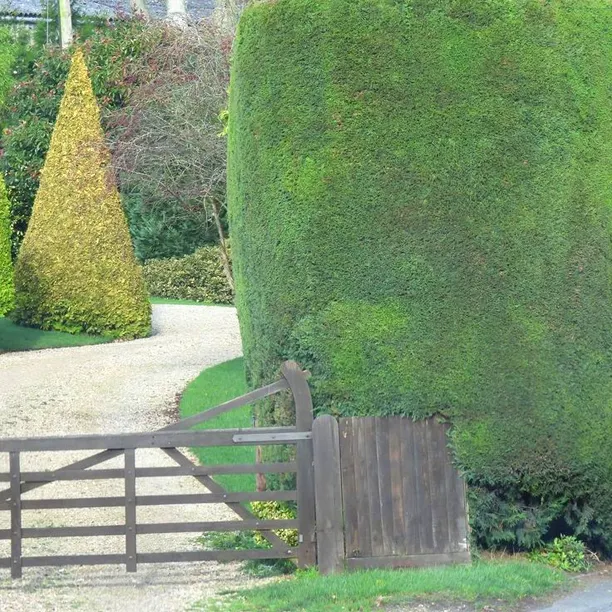
Evergreen hedging plants are species that retain their foliage throughout the year, providing year-round structure, privacy, and shelter in the garden. Unlike deciduous hedges, which lose their leaves in autumn, evergreens maintain a continuous screen in every season. They are among the most popular choices for UK gardens precisely because they perform their primary job — blocking views, wind, and noise — even in the depths of winter.
Related guides
- Best Hedging Plants — Buying Guide
- How to Grow a Hedge — Complete UK Guide
- Native Hedging — Mixed Species Guide
Why Choose Evergreen Over Deciduous Hedging?
Evergreen hedging is the right choice whenever year-round privacy or wind shelter matters more than seasonal interest. Deciduous hedges like beech and hornbeam are beautiful and wildlife-friendly, but they shed their leaves and become partially transparent for four to five months of the year.
Evergreens fill every role a deciduous hedge can, and add several the leafless alternatives cannot:
- Continuous privacy — no bare stems in January offering a view into the garden.
- Constant wind shelter — a dense evergreen barrier reduces wind speed effectively all year.
- Noise reduction — a thick evergreen hedge attenuates traffic and neighbourhood noise every month of the year. Read more in our guide on Do Hedges Block Noise?
- Winter structure — evergreen hedges anchor garden design when herbaceous plants have died back.
- Wildlife habitat — dense evergreen foliage shelters roosting birds and overwintering insects.
That said, a purely evergreen boundary has its own trade-offs. Most evergreens clip to a formal finish but offer little in the way of autumn colour. Some are slower to establish than deciduous equivalents, and a handful are susceptible to specific diseases. The sections below help you weigh those factors honestly.
Not sure whether evergreen or deciduous suits your plot? Our guide to How to Choose the Right Hedge covers the full decision in detail.
Which Evergreen Hedging Plants Are Best for Privacy?
For maximum, fastest privacy, cherry laurel and Portuguese laurel are the standout choices in most UK gardens. Both are fast-growing, dense, and tolerably shade-tolerant, and they reach head height quickly from bareroot transplants.
| Species | Growth Rate | Mature Height | Best For |
|---|---|---|---|
| Cherry Laurel | Fast (40–60 cm/yr) | 3–5 m (clipped) | Large, bold screen; heavy soils |
| Portuguese Laurel | Moderate (30–40 cm/yr) | 3–4 m (clipped) | Refined finish; thin/chalky soils |
| Privet | Fast (30–50 cm/yr) | 2–3 m (clipped) | Urban plots; semi-shade |
| Yew | Slow–Moderate (20–30 cm/yr) | 1–5 m (clipped) | Long-term formal hedge; any height |
| Holly | Slow (15–25 cm/yr) | 2–5 m (clipped) | Impenetrable barrier; wildlife |
| Photinia Red Robin | Moderate (30–40 cm/yr) | 2–4 m (clipped) | Colourful screen; mild areas |
For a curated selection of the fastest and most privacy-effective species, see our Best Privacy Hedging collection. For a broader overview of speed across all hedge types, read Fast Growing Hedges for Privacy.
What Are the Most Popular Evergreen Hedging Species in the UK?
Several species dominate UK evergreen hedging because they combine reliable performance with ease of establishment and clipping. Understanding the strengths and limitations of each helps you avoid choosing on looks alone.
Yew (Taxus baccata)
Yew is the gold standard of formal evergreen hedging. Its dense, dark green needles clip to a razor-sharp finish and the plant is remarkably long-lived — yew hedges routinely outlast the gardens they divide. Despite a reputation for slowness, established yew grows at 20–30 cm per year and responds superbly to hard cutting back. It is also tolerant of deep shade and almost any soil except waterlogged ground. All parts are toxic to livestock and people, so it is not suitable near horse paddocks. Browse our Yew Hedging collection, or read our detailed Growing Yew Hedging Guide.
Cherry Laurel (Prunus laurocerasus)
With its large, glossy leaves and vigorous growth, cherry laurel is Britain’s most widely planted evergreen hedging shrub. It establishes quickly from bareroot plants, tolerates shade, and grows on almost any soil. The bold leaf size means it looks better cut with loppers or secateurs than a mechanical trimmer — cutting individual leaves in half looks untidy. See our Laurel Hedging range. Note that cherry laurel can be affected by Laurel Leaf Shot Hole Disease, though this is rarely fatal.
Box (Buxus sempervirens)
Box is the classic choice for low, formal, and knot-garden edging. Its small leaves give a finely textured finish that no other plant quite replicates. Unfortunately, box blight and box tree caterpillar have made it a higher-maintenance choice than it used to be. It remains excellent where conditions suit it, especially in drier, well-drained sites. Browse Box Hedging, read about Box Blight, and see our guide to Planting a Box Hedge. The individual Box Hedge Plants page has full size and spacing guidance.
Privet (Ligustrum ovalifolium)
Privet is fast, tough, and very cheap — making it a practical choice for long runs on a budget. It is technically semi-evergreen: in mild winters it holds its leaves; in cold, exposed sites it may defoliate partially. It thrives in urban gardens, tolerates pollution, and clips to a clean finish. Browse Privet Hedging.
Holly (Ilex aquifolium)
Holly grows slowly but produces an impenetrable barrier that intruders — human and animal — will not push through. Its spiny foliage, berries, and flowers make it outstanding for wildlife. It tolerates shade, coastal winds, and most soils. Patient gardeners who want a long-term, low-maintenance hedge will rarely regret choosing holly.
Photinia (Photinia × fraseri ‘Red Robin’)
Photinia produces brilliant red new growth in spring and again after clipping, making it one of the most visually striking evergreen hedges available. It grows at a moderate pace and suits most well-drained soils in sheltered to moderately exposed positions. Be aware of Photinia Leaf Spot in humid or waterlogged conditions.
Which Evergreen Hedge Is Best for Shade?
Yew, cherry laurel, and Portuguese laurel are the three evergreens that perform best in shade, including deep north-facing positions. Box tolerates moderate shade but struggles in full shade.
| Species | Shade Tolerance | Notes |
|---|---|---|
| Yew | Excellent (deep shade) | Thrives under tree canopy; avoids waterlogged soil |
| Cherry Laurel | Very good | Leaves may become slightly larger in shade; still dense |
| Portuguese Laurel | Good | Prefers some light but manages north-facing walls well |
| Box | Moderate | Fine in partial shade; poor in deep shade |
| Holly | Good | Slower in shade but still healthy; native woodland edge plant |
| Photinia | Poor | Needs sun to produce red new growth; sparse in shade |
For a wider selection suited to difficult aspects, visit the Best Hedging for Shade collection and read our advice on Best Hedges for Full Shade.
What Is the Best Evergreen Hedge for a Formal Garden?
Yew is the finest formal evergreen hedging plant in the UK — nothing clips as crisply, holds its shape as well, or looks as authoritative over decades. Box is the classic alternative for low edging up to about 60 cm, though it now requires greater vigilance against disease.
For formal hedging, tight growth habit and small leaves are the priorities. Larger-leaved species like cherry laurel can be kept formal but require cutting with secateurs rather than a hedge trimmer to avoid leaving unsightly half-cut leaves. The Formal Hedging collection gathers all the species that clip cleanly. For guidance on technique, see How to Trim, Clip and Prune a Garden Hedge.
Which Evergreen Hedging Is Best for Wildlife?
Holly, pyracantha, and berberis deliver the greatest wildlife benefit among evergreen hedging species, providing berries for birds, flowers for bees, and dense thorny cover for nesting. Yew berries (the red arils, not the poisonous seeds) are also eaten by blackbirds and thrushes.
| Species | Flowers for Bees | Berries for Birds | Nesting Cover |
|---|---|---|---|
| Holly | Good (May–Jun) | Excellent (red berries, winter) | Excellent (spiny, dense) |
| Pyracantha | Excellent (May–Jun) | Excellent (red/orange berries) | Very good (thorny) |
| Berberis | Very good (spring) | Good (dark berries, autumn) | Excellent (very spiny) |
| Yew | Moderate (wind-pollinated) | Good (red arils, autumn) | Excellent (dense) |
| Cherry Laurel | Moderate (scented racemes) | Moderate (black fruits) | Very good (dense foliage) |
Pyracantha deserves special mention: clipped once a year after flowering, it produces masses of orange or red berries in autumn that sustain thrushes, fieldfares, and redwings through winter. Browse Pyracantha Hedging and read our advice on How to Cut Back a Pyracantha Hedge.
For bee-friendly options specifically, our Best Hedging for Bees collection covers all the top performers. For a wildlife-focused mixed hedge approach, see Best Plants for a Small Garden Wildlife Hedge.
Which Evergreen Hedging Is Best for Coastal and Exposed Gardens?
Escallonia, griselinia, and eleagnus are the most reliable evergreen hedging plants for coastal and wind-exposed gardens in the UK. Holm oak (Quercus ilex) is the toughest large-scale option for very exposed Atlantic coast sites.
Cherry laurel and photinia struggle in cold, salty winds; yew tolerates exposure fairly well once established but may brown in severe maritime conditions. Holly performs surprisingly well on exposed coasts once past the young plant stage, as its thick, waxy leaves resist salt spray and desiccating wind.
The Coastal Hedging collection lists all the salt-tolerant species we stock. For any exposed site, it is worth reading our guide to New Hedge Aftercare, as young plants on open sites need particular attention to watering and wind protection in their first year.
When and How Should You Plant Evergreen Hedging?
Container-grown evergreen hedging can be planted in any month when the ground is not frozen or waterlogged. Bareroot and rootballed evergreens — which are available only in the dormant season — should be planted between November and March. Autumn and early spring plantings establish fastest because soil moisture is high and root growth can begin before the full demands of summer.
Key planting principles for evergreen hedging:
- Spacing: Most evergreens are planted at 3 plants per metre (approximately 33 cm apart) for a single row. Large-leaved species like cherry laurel may be spaced at 2 per metre. See our full guide: How Many Hedge Plants Per Metre?
- Double staggered rows: For a quicker or denser screen, plant in two staggered rows 40–60 cm apart. See Double Staggered Row Hedge Spacing.
- Soil preparation: Dig a trench, break up the subsoil, and incorporate organic matter. Comprehensive guidance is in Preparing Soil for Planting Trees and Shrubs.
- Watering: Evergreens transpire through winter and must not dry out even in cold weather. Full advice in Watering Your Hedging and Trees.
- Formative pruning: Contrary to instinct, trimming the sides of young evergreens encourages bushy growth from the base. See Trimming New Hedges — Formative Pruning.
For timing advice specific to bareroot plants, our guide Best Time for Planting Hedges and Trees covers the question thoroughly. If you are new to bareroot hedging, What Does Bareroot Mean? explains the concept clearly.
How and When Should You Trim Evergreen Hedging?
Most evergreen hedges are trimmed once or twice a year, with the main cut typically made in late summer (August–September) to leave a tidy finish for winter. A second light trim in late spring encourages denser growth.
Important species-specific notes:
- Yew: Clips best in late summer. Tolerates hard renovation cutting even into old wood. See Trimming and Hard Pruning Yew Hedges.
- Cherry laurel: Best cut with secateurs or loppers to avoid halving large leaves. Main cut in spring; light tidy in late summer.
- Box: Two or three clips per season maintains the crispest finish. Cut in May and again in late August.
- Photinia: Trim after the new red flush has matured. Avoid cutting in cold, wet weather to reduce leaf spot risk.
- Pyracantha: To retain berries, delay the main clip until after the berries have been taken by birds (typically late winter). See How to Cut Back a Pyracantha Hedge.
- Holly: Cut once in late summer; avoid trimming in nesting season (March–August) unless strictly necessary.
General trimming guidance for all species is covered in How to Prune Trees and Clip Hedges and When to Prune Hedges, Trees and Shrubs in Summer.
What Are the Best Low-Growing Evergreen Hedging Plants?
Box is the classic choice for low evergreen edging up to 60 cm, but lavender, rosemary, and Ilex crenata (Japanese holly) are increasingly popular alternatives, particularly given disease pressure on box.
Ilex crenata — sometimes called Japanese holly — has small, box-like leaves and is not susceptible to box blight or box tree caterpillar. It clips to a similar finish and suits the same formal roles as box, though it does prefer slightly acidic, well-drained soil.
Euonymus japonicus varieties are also worth considering for low-to-medium evergreen edging in sheltered gardens, offering variegated foliage options for brighter planting schemes.
For full guidance on this category, see our dedicated article Best Plants for Low, Small and Narrow Hedges.
Are There Evergreen Hedging Plants That Provide Extra Security?
Yes — thorny evergreens like pyracantha, berberis, and holly make physically impenetrable barriers that deter intruders far more effectively than a fence. A mature pyracantha hedge with its needle-sharp thorns is one of the most effective natural security barriers available.
Berberis darwinii is a particularly good evergreen security hedge: fast-growing, very spiny, and covered in bright orange-yellow flowers in spring. Darwin’s Barberry reaches 2–3 m and clips to a reasonable formal shape while remaining impenetrable. Berberis julianae (Chinese Wintergreen Barberry) is similarly tough with particularly vicious three-pronged spines.
For a full range of defensive evergreen options, see our Thorny Hedging and Berberis Hedging collections.
Frequently Asked Questions
What is the fastest-growing evergreen hedging plant in the UK?
Cherry laurel grows fastest, adding 40–60 cm per year in good conditions. Privet is similarly fast at 30–50 cm. Both provide a dense screen within 3–4 years from bareroot planting. Visit our Best Privacy Hedging collection.
Is yew really slow-growing?
Young yew can be slow in its first two years, but once established it grows 20–30 cm annually and clips beautifully. Patient planting pays off — yew hedges last centuries. See our Yew Growing Guide.
Can I plant evergreen hedging in summer?
Container-grown evergreens can be planted in summer but need diligent watering. Bareroot and rootballed stock is available October–March only. Summer planting increases establishment risk; autumn is ideal.
What evergreen hedge grows well in clay soil?
Cherry laurel, yew, and holly all tolerate heavy clay provided it is not permanently waterlogged. Improving drainage and adding organic matter at planting helps all three establish successfully. Read our soil preparation guide.
How far apart should I plant evergreen hedging?
Most evergreens are planted 33 cm apart (3 per metre) in a single row. Cherry laurel can be spaced at 50 cm (2 per metre). Double rows are spaced 40–60 cm apart. Full details: How Many Hedge Plants Per Metre?
Is box hedging still worth planting given box blight?
Box remains viable in dry, well-ventilated conditions. In humid, sheltered gardens, consider Ilex crenata as a resistant alternative. Read our full Box Blight Guide before deciding.
Which evergreen hedge is best for a north-facing or shady site?
Yew is the best choice for deep shade, followed by cherry laurel and Portuguese laurel. Holly also performs well on north-facing aspects. See the Best Hedging for Shade collection.
Do evergreen hedges need feeding?
A mulch of well-rotted compost each spring benefits all evergreen hedges. A balanced slow-release fertiliser in early spring supports strong clipping recovery. Avoid high-nitrogen feeds in late summer as they promote soft growth vulnerable to frost.
Can evergreen hedging be grown in containers?
Box, yew, and bay can all be grown in large containers. Use a loam-based compost, ensure good drainage, and water regularly. Our Instant Hedging Troughs offer a ready-grown solution and our Choosing and Planting Potted Hedging guide covers the detail.
What is the best evergreen hedge for berries and wildlife?
Pyracantha and holly are unbeatable for combined flower and berry wildlife value. Both support nesting birds and provide food throughout winter. Browse Best Hedging for Bees for more pollinator-friendly options.
Are there evergreen hedges suitable for dry or sandy soils?
Portuguese laurel, rosemary, lavender, and some berberis species all perform well in dry, free-draining soils. The Drought Tolerant Hedging collection lists all suitable species.
How do I get a dense base on an evergreen hedge?
Trim the sides of new plants from year one to encourage branching at ground level. Never let young plants grow unchecked vertically — this creates a bare base. See our Formative Pruning guide for full technique.
Related Products
- Evergreen Hedging — Full Collection
- Best Privacy Hedging
- Formal Hedging Plants
- Laurel Hedging Plants
- Yew Hedging Plants
- Box Hedging Plants
- Box Hedge Plants — Buxus sempervirens
- Pyracantha Hedging Plants
- Berberis Hedging Plants
- Berberis darwinii — Darwin’s Barberry
- Berberis julianae — Chinese Wintergreen Barberry
- Thorny Hedging Plants
- Best Hedging for Shade
- Coastal Hedging Plants
- Instant Hedging Troughs
Related Articles
- Best Hedging Plants — Buying Guide
- Fast Growing Hedges for Privacy
- How to Choose the Right Hedge
- Growing Yew Hedging — Suppliers and Growing Guide
- Trimming and Hard Pruning Yew Hedges
- Box Blight — Hedge Disease Guide
- Planting a Box Hedge
- Best Hedges for Full Shade
- Best Plants for Low, Small and Narrow Hedges
- Trimming New Hedges — Formative Pruning
- New Hedge Aftercare — First Year Guide
- How Many Hedge Plants Per Metre?
- Best Time for Planting Hedges and Trees
- How to Cut Back a Pyracantha Hedge
- Do Hedges Block Noise?

Leave a Reply