






 Sign In
 Saved items

November 13rd 2025•
Trees
Falling for leaves
November’s autumnal colours offer a moment to pause and appreciate the garden’s small wonders. Wi...
Read More
 5 Star Service Rating




 Secure, One-Tap Checkout
 5 Star Feefo Rating
 Hand Picked, Delivered to Your Door!
 1 Year Bareroot Guarantee
 Platinum Trusted Service Award 2026
 Mail Order Plant Experts - Est. 1949
11/12/2025
With a storm set to hit over the next few days, it’s a timely reminder that windy weather seems to be getting more common here in the UK. For gardeners nurturing bareroot trees, it can be a bit nerve-wracking to think about branches snapping or trees toppling. Understanding the likelihood for trees to come down in a storm and taking some simple precautions can make all the difference.

Here at Ashridge, we’ve been supplying bareroot trees since 1949, helping gardeners, orchard owners, and tree enthusiasts across the UK grow healthy, resilient trees. As a Platinum Trusted supplier and a Which Best Plant Supplier 2025, we know a thing or two about keeping trees thriving, come rain or shine.
⚠️ Safety first: During storms, avoid travelling or working outdoors near trees. Falling branches and toppled trees pose a serious risk. Wait until conditions have calmed before inspecting or caring for your trees.
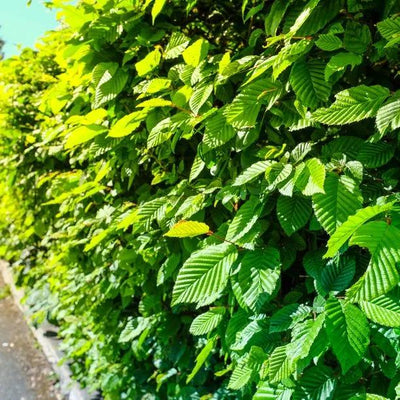
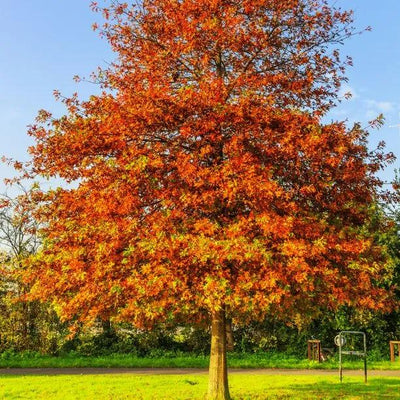
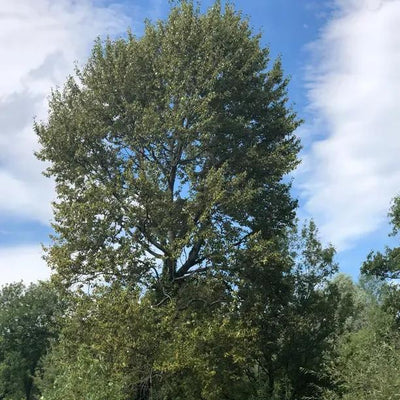
Even well-established trees can struggle when strong winds arrive. The likelihood for trees to come down in a storm depends on species, size, root structure, and overall health. Taller, top-heavy trees like poplars or silver birches are more prone to uprooting, while oaks and hornbeams are sturdier and generally withstand strong winds better. Young bareroot trees are especially vulnerable in their first few seasons, as their roots are still establishing.
Storm-proofing isn’t about wrapping your trees in bubble wrap — it’s about giving them the best chance to withstand whatever Mother Nature throws at them. With the right planting, pruning, and care techniques, your trees can remain stable, healthy, and productive for decades.
Location is everything. Planting a tree in a sheltered position, such as near a hedge or fence, can reduce exposure to prevailing winds. Avoid waterlogged or overly compacted soil, which weakens roots and increases the likelihood of toppling. Well-drained, firm soil helps roots anchor firmly — a vital consideration for bareroot trees that are just getting established.
Proper planting is one of the simplest ways to storm-proof your trees. When planting bareroot trees, ensure the roots are spread naturally, not cramped or twisted. Planting too deep or too shallow can stress the tree and reduce its stability. After planting, mulch around the base to retain moisture, suppress weeds, and protect roots — but leave a small gap around the stem to prevent rot.
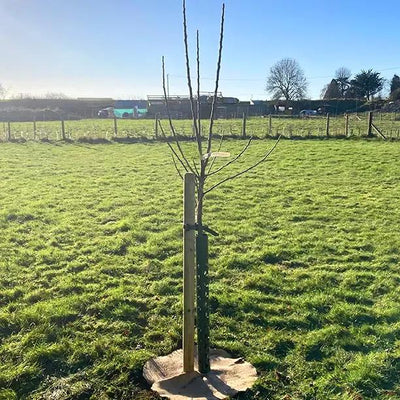
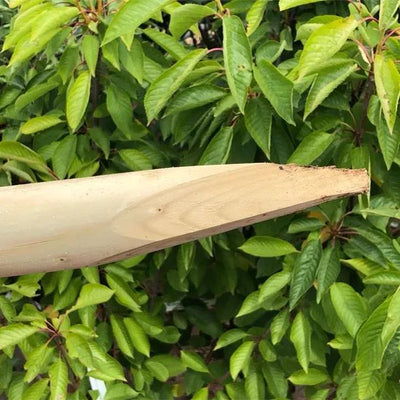
Stake your young trees if they’re tall or spindly, but don’t overdo it. A stake should support, not restrain. Use flexible ties that allow the tree to sway slightly in the wind — this strengthens the trunk and encourages robust root development. Once your tree is firmly established (usually after one or two seasons), remove the stake to allow natural movement.
Storm-proofing isn’t just about roots — branches matter too. Light pruning can reduce wind resistance by removing crossing or weak branches. However, avoid heavy pruning in the first few years, as this can stress a young tree and reduce overall stability. A well-shaped tree is a strong tree, and careful pruning goes a long way in preventing storm damage.
Routine tree advice is invaluable. Inspect your trees regularly for signs of disease, damage, or pest infestations. A healthy tree is naturally more resilient to storms. Feeding established trees with an organic, slow-release fertiliser like blood, bone and fish, or seaweed meal can boost strength and vitality, helping them weather the elements better.
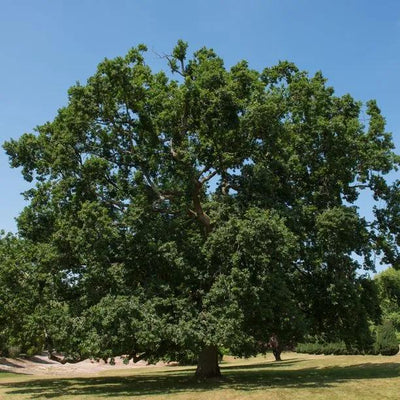
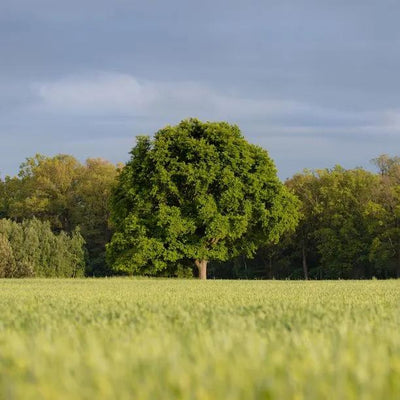
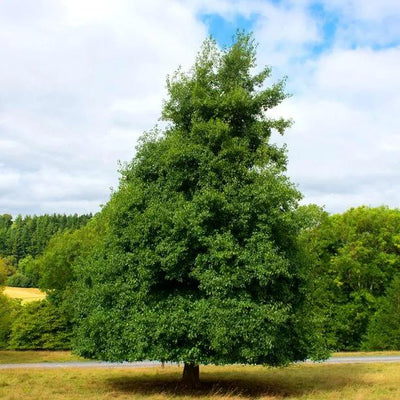
While no tree is completely immune, some species are more likely to survive storms than others. Oaks, hornbeams, and field maples are sturdy and less likely to topple. Fast-growing or shallow-rooted trees, such as willows, silver birches, or poplars, have a higher likelihood of coming down in a storm, especially if recently planted or in waterlogged soil. Choosing the right tree for your garden, combined with careful planting and care, greatly reduces risk.
As tree specialists, we understand the challenges gardeners face in the UK climate. Supplying bareroot trees since 1949, we’ve seen it all — from gentle breezes to outright gales. Our experience, combined with our Platinum Trusted status and recognition as a Which Best Plant Supplier 2025, means our customers get not just trees, but reliable guidance and ongoing tree advice to help them succeed.
Storms may be inevitable, but with the right preparation, your trees can thrive no matter the weather. Plant carefully, support wisely, and nurture your trees - and they’ll reward you with years of beauty, shade, and bounty.



















Comments (0)
Add a commentLeave a comment
Please note, comments need to be approved before they are published.