

Sold as:

from £10.95

Sold as:
from £19.99
 5 Star Service Rating




 Secure, One-Tap Checkout
 5 Star Feefo Rating
 Hand Picked, Delivered to Your Door!
 1 Year Bareroot Guarantee
 Platinum Trusted Service Award 2026
 Mail Order Plant Experts - Est. 1949
 1 Year Bulb Guarantee
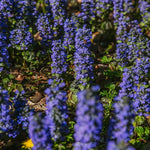
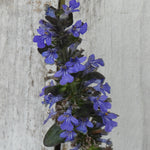
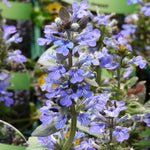
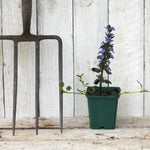
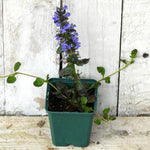


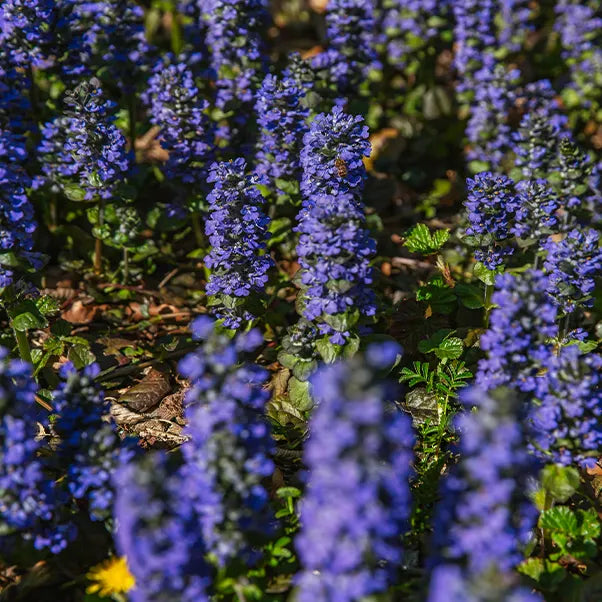
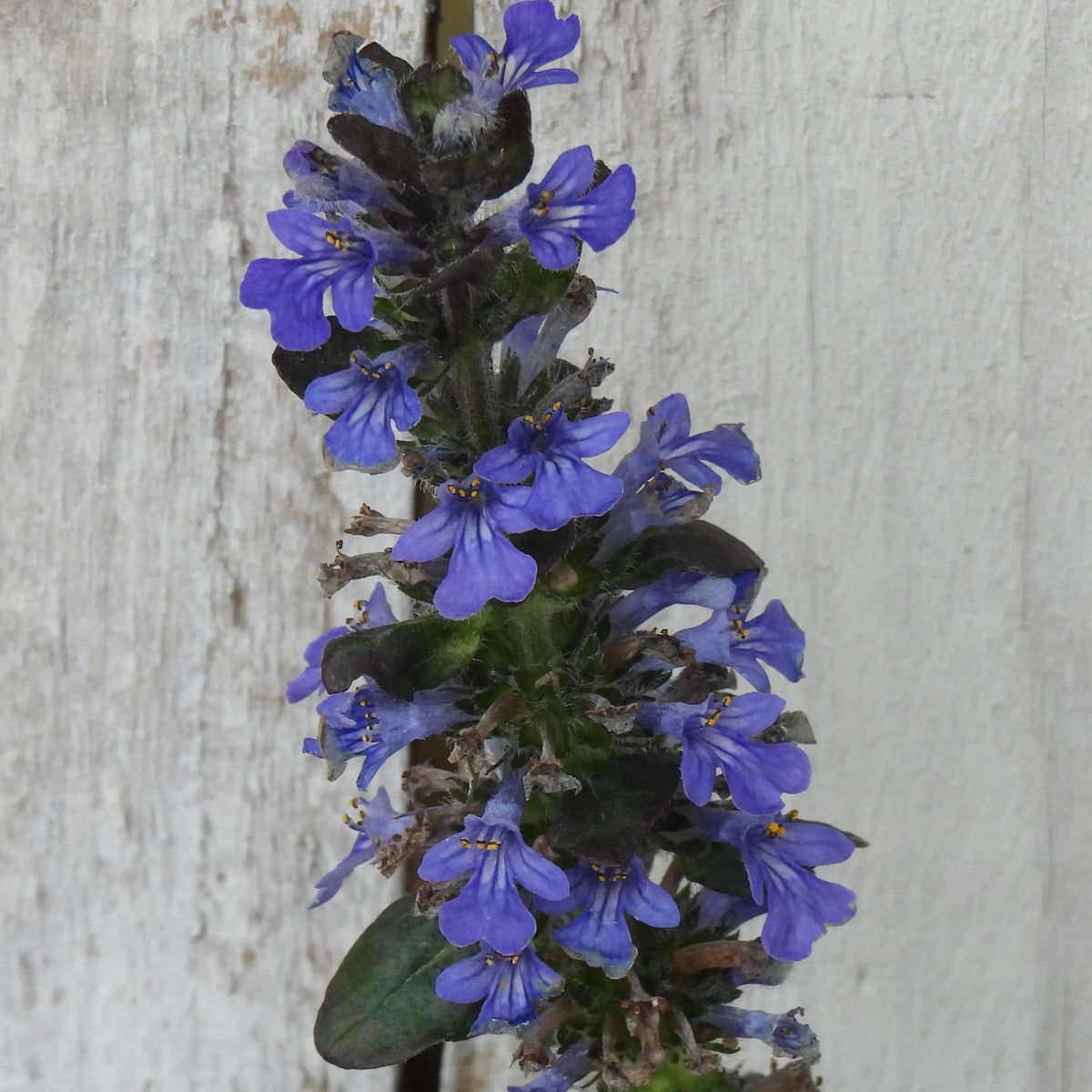
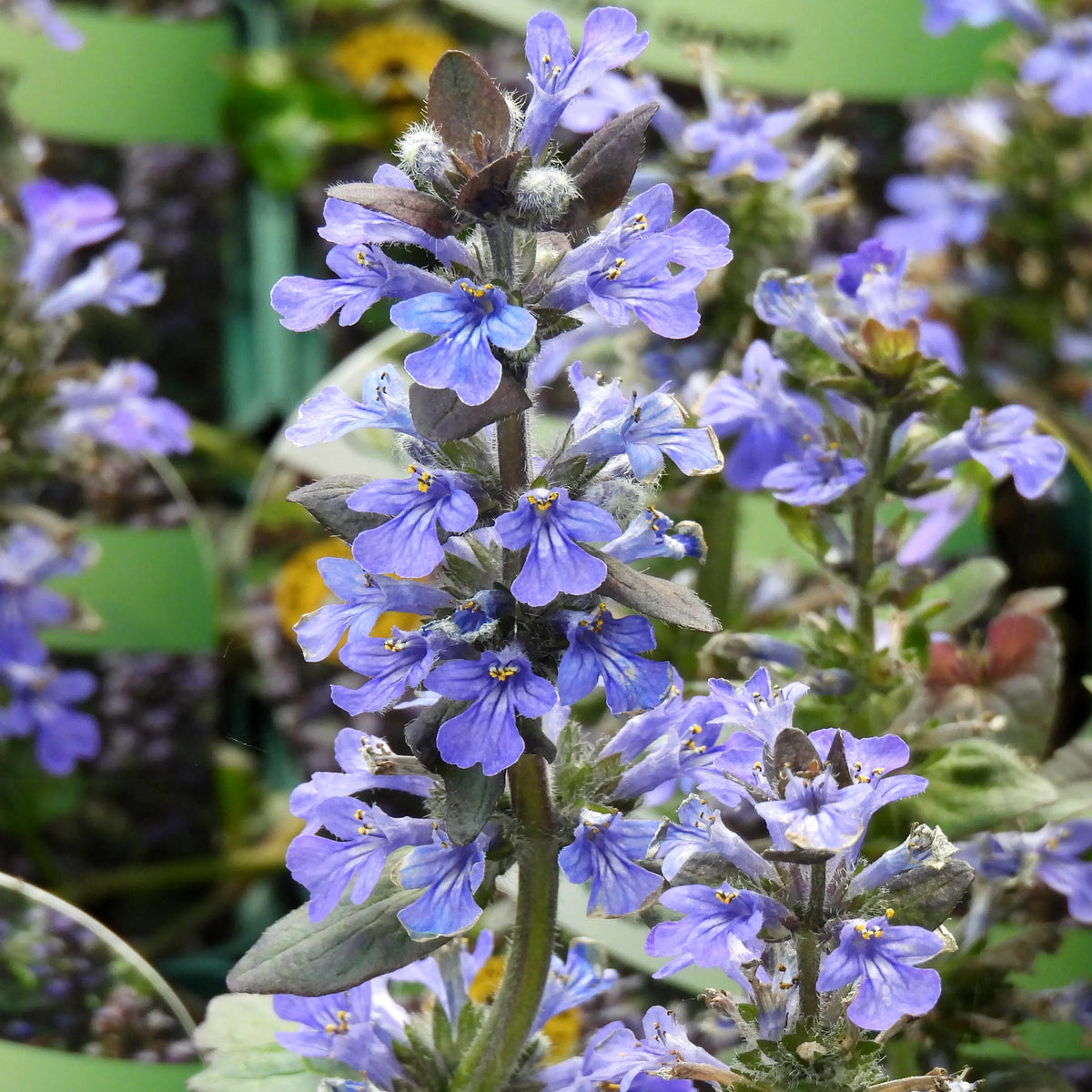
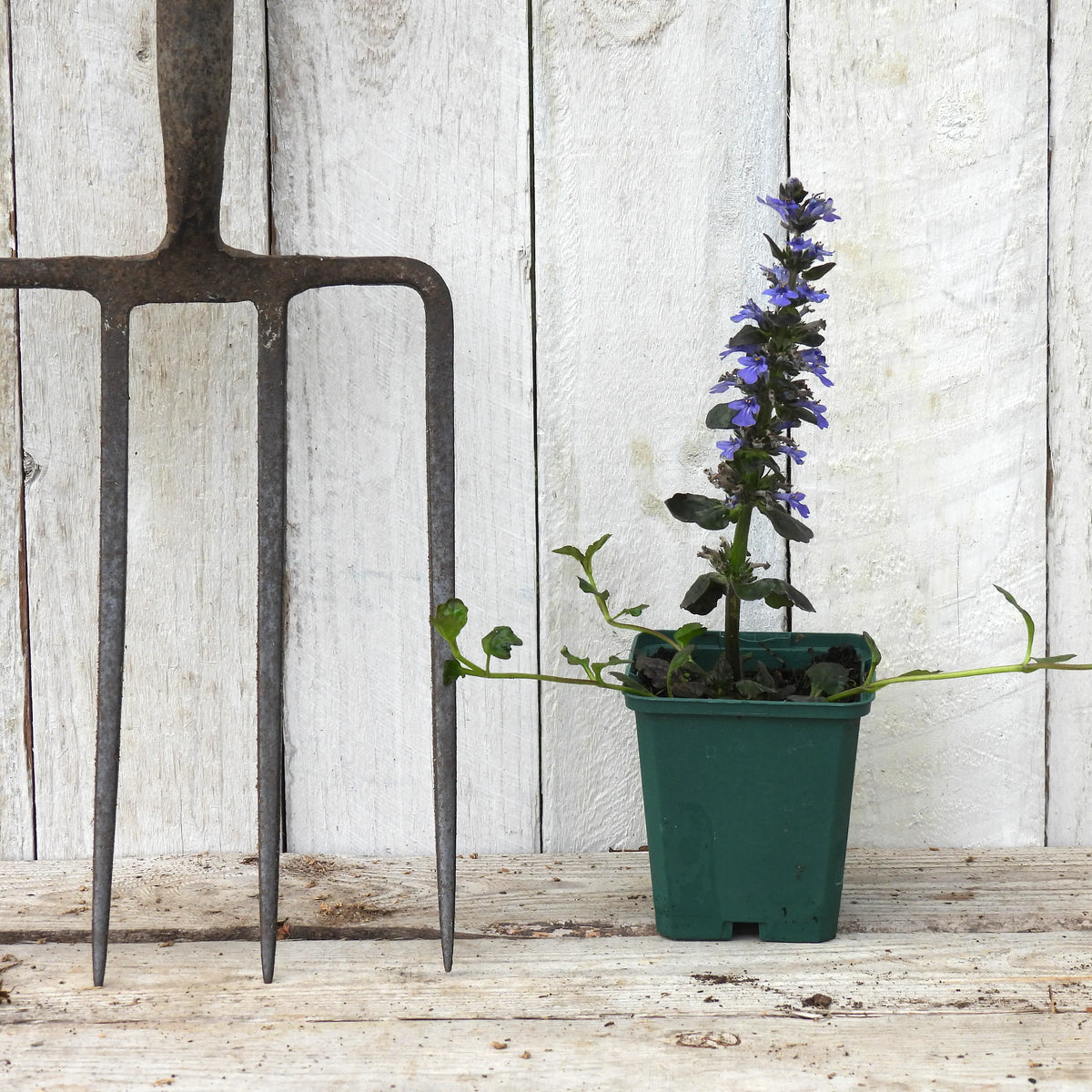
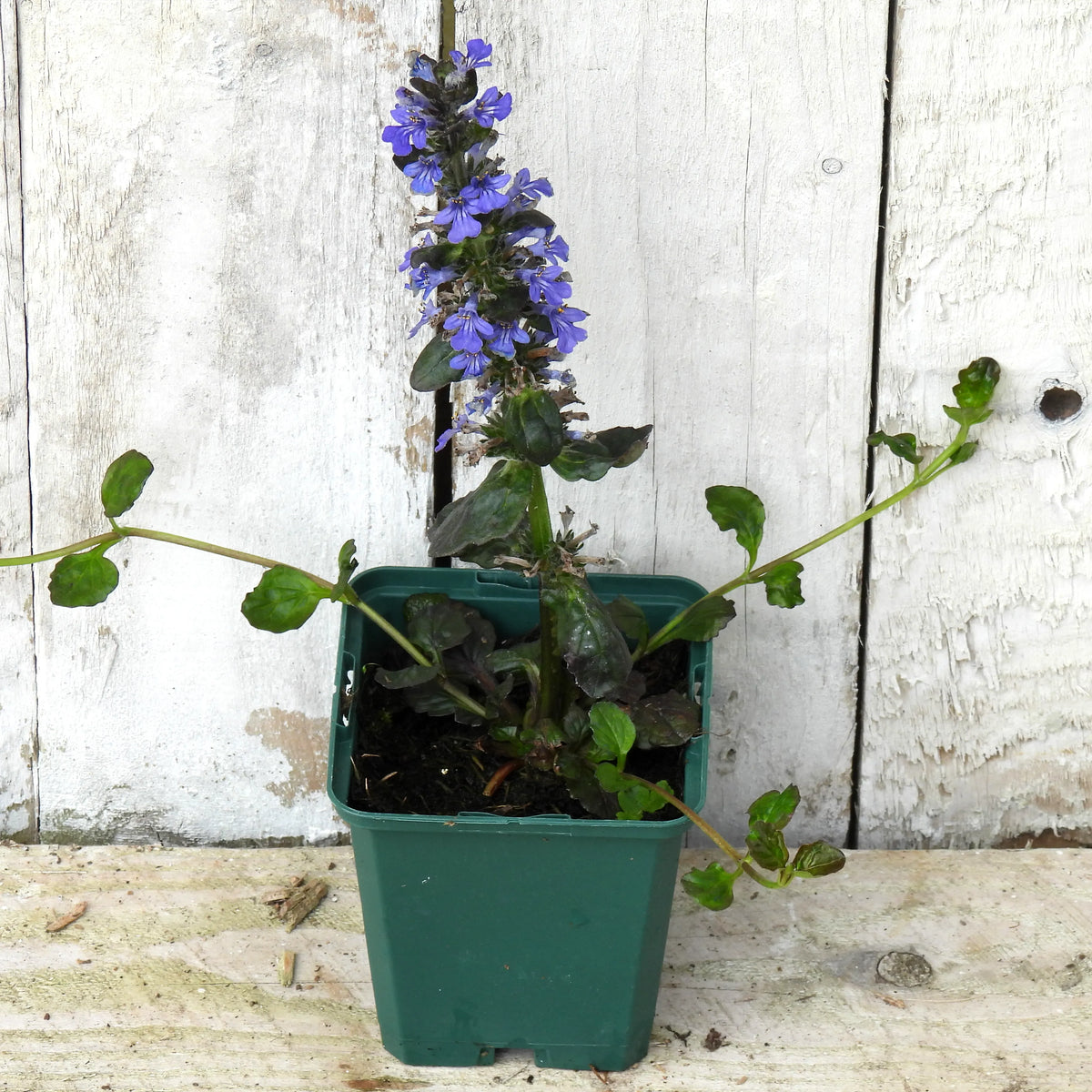




Catlin's Giant is the most striking bugle in common cultivation — the same flowering spikes of rich violet-blue as the common species, but with leaves three or four times the size and a bronze-purple colouring that earns its place in the garden all year round.
Ajuga reptans 'Catlin's Giant' earned its Award of Garden Merit in 1993 and has kept it comfortably since. It spreads by surface runners, which is exactly what you want from a groundcover — give it a shaded bank, a difficult strip under trees, or the edge of a border that nothing else colonises happily, and it will do the job without complaint. The flower spikes appear in April and run through to June, reaching perhaps 15–20cm above the foliage mat and carrying dense whorls of true blue-purple flowers that are genuinely useful to early bumblebees. The foliage is semi-evergreen, so you get bronze-purple leaves through winter too, which is rather a bonus. The AGM is well deserved.
The difference between Catlin's Giant and the ordinary species is not subtle. The leaves are roughly three times larger — up to 10–12cm long — and the bronze colouring is stronger and more consistent. In a shady corner where the usual ajuga would form a modest mat, Catlin's Giant fills the space with something that looks properly architectural. It grows willingly in most soils, including the dry shade under mature trees that defeats most perennials, though it does best where the soil retains some moisture. Absolutely no need to coddle it.
For a shade border that earns its keep across all four seasons, try Catlin's Giant alongside Alchemilla erythropoda, whose acid-yellow flower clouds in early summer complement the blue spikes without competing. Astilbe Pumila follows later with lilac-purple plumes and appreciates the same moist conditions. From the heuchera range, any of the darker-leaved varieties plays well with Catlin's Giant — the bronze-purple foliage echoes and amplifies. For genuine year-round interest in shade, the hosta collection pairs beautifully, with bold contrasting leaves rising above the mat of ajuga from May onwards.
We use peat-free compost and biological pest controls. Catlin's Giant is one of those plants that asks very little and gives a great deal — we are always happy to be stocking it. The people who grow your plants are the same people who pack your order and answer your questions. And every plant is guaranteed. See the full perennial collection.
Vigorous rather than invasive. It spreads by surface runners which are easy to see and remove — just lift and compost any colonies that stray where they're not wanted. In a confined bed it will need occasional editing; in a large shaded area it's exactly what you'd want it to do.
It tolerates sun if the soil stays reasonably moist, but the foliage colours best and the plant performs most reliably in part or full shade. Full sun in dry soil leads to scorched leaf edges and poor spread. Use shade as the default.
Size, primarily. Catlin's Giant has leaves roughly three times larger than the straight species, with stronger bronze-purple colouring. The flowers are the same blue-purple, but the overall presence in the garden is far more substantial. The AGM belongs to Catlin's Giant specifically — not to the species.
Generally yes. The leathery foliage and low spreading habit make it unappealing to most browsing animals. We would not class it as entirely deer-proof — no plant truly is — but it is a sensible choice for gardens with deer pressure.
Yes, and this is one of its best uses. It tolerates dry shade once established — a situation that defeats many perennials. The main requirement under dense canopy is adequate moisture in the first growing season while it gets its roots down. After that, it largely looks after itself.


 Sign In
 Saved items