Sold as:

from £10.95

Sold as:
from £19.99
 5 Star Service Rating




 Secure, One-Tap Checkout
 5 Star Feefo Rating
 Hand Picked, Delivered to Your Door!
 1 Year Bareroot Guarantee
 Platinum Trusted Service Award 2026
 Mail Order Plant Experts - Est. 1949
 1 Year Bulb Guarantee




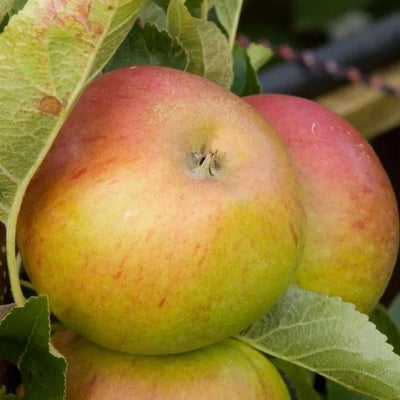
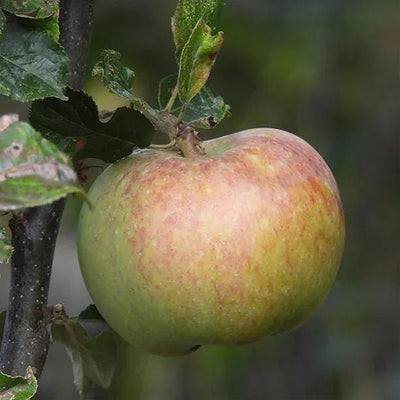
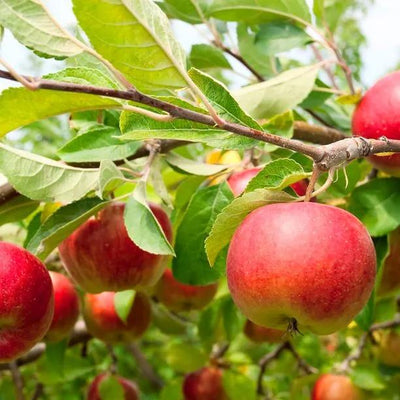
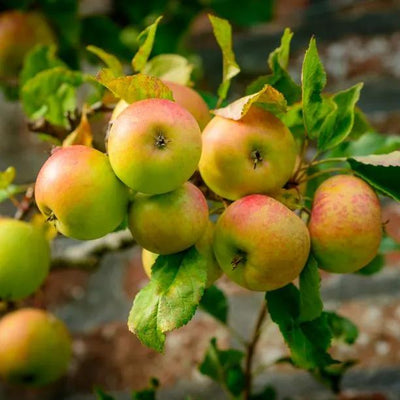
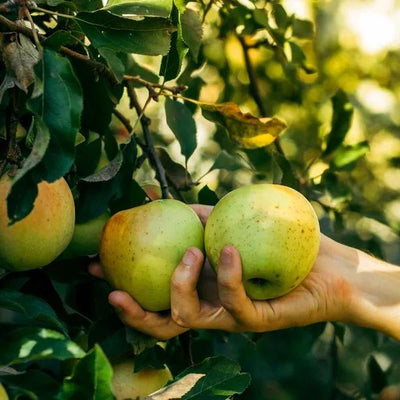
Gala is the sweet, crisp dessert Apple the supermarkets built a trade on, and it is a different fruit picked off your own tree in October. It is a reliable, vigorous cropper with pink and white blossom, in pollination group D, and it must have a partner to set fruit.
Everyone has bought Gala apples in the shop and, as ever, a home-grown one tastes so much better that it may as well be a different variety.
The fruit refrigerate well and can be stored for a long time in controlled conditions, which is why supermarkets love them, but they lose their flavour that way. They taste best when eaten fresh off the branch and for about a week afterwards, which is then a good time to juice them.
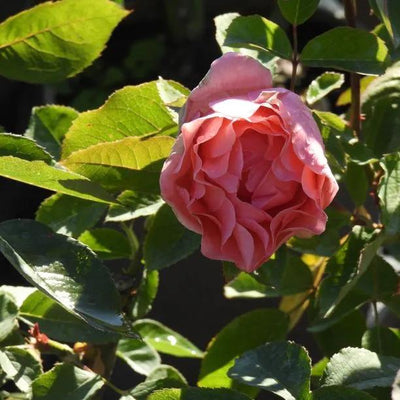
The trees are vigorous, reliable croppers, and they have lush pink and white blossom with great nectar production for bees.
Browse our range of apple trees, or all our fruit trees.
Read our guide to buying apples.
Delivery season: Bareroot plants are delivered from late autumn to spring, November to April.
Apples like a rich, well drained soil, and will thrive on clay in locations that do not get waterlogged in winter.
A full day of sun and shelter from the wind is ideal.
Rootstocks:
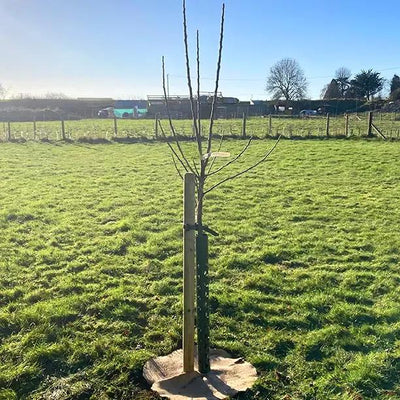
We use MM106 for Gala, the UK standard for medium-sized trees, ideal for gardeners. Grown as a half-standard, MM106 gives a tree about 4 metres tall, and as a bush about 3 metres. MM106 maidens are suitable for cordons and espaliers.
Disease notes:
Some susceptibility to scab, so rake up leaves in Autumn.
Your trees are self sterile and their flowers must be pollinated to make fruit.
Gala is in Pollination Group D, which cross-pollinates with other apple trees in Groups C, D and E.
Use our Fruit Pollination Checker to quickly find pollination partners, or Apple Tree Pollination Guide to learn more.
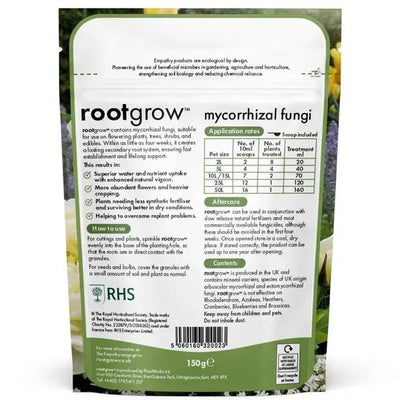
Gala sets nothing on its own, so plant an Apple from group C, D or E with it. From its own group, Laxton's Superb is partially self-fertile and crops late; from group C, Discovery comes in early. Our Apple pollination chart lists the rest. Dust bareroot roots with Rootgrow as you plant.
Ashridge has sold trees since 1949 and is a Which? Best Plant Supplier 2025. Your Gala Apple tree is grafted onto MM106 rootstock, and maidens are pre-pruned before despatch for the form you choose. Bareroot trees are lifted to order while dormant and guaranteed for 12 months.
Yes. It sets no fruit alone. Plant an Apple from group C, D or E near it and both trees crop.
Pick in October. It stores for two to three months somewhere cool and dark, though the flavour is at its best in the first week.
On MM106, a pruned bush is kept at about 3 metres and a half-standard at about 4 metres. Left unpruned, the rootstock gives a tree about 4.5 metres tall and wide.
A deep, fertile soil that holds moisture and still drains, in full sun and out of the wind. It does badly on very acid soil, on shallow chalk, and in shade for more than half the day.
Yes, so it takes ordinary winter pruning and trains happily as a cordon or an espalier.
Shop fruit is held in store for months, which costs it flavour. Picked ripe off your own tree and eaten that week, it is a different Apple.
You buy a maiden and make the shape yourself, which is how a cordon is made. Tell us the form you want and we pre-prune the maiden before despatch. MM106 suits cordons, fans and espaliers.
Bareroot only, from November to April, while the trees are dormant. You can order at any time of year and your tree is lifted and sent once the season opens.







Gala Apple Trees needs a different apple tree nearby, in flower at the same time, to produce fruit. The varieties below are compatible pollination partners.


 Sign In
 Saved items